Where dwells the hallowed fabled land of Shambhala, famed as Shangri-La?
The legendary "Shambhala" is a concept shrouded in mystery, holding profound significance in Tibetan Buddhism and Eastern culture. It is more than just a legendary geographical location; it is a symbol of a spiritual realm.
The "Shangri-La" created by James Hilton in his novel Lost Horizon was largely inspired by the legends of Shambhala. It symbolizes an isolated earthly paradise.
In modern contexts, Shambhala is often viewed as the ultimate human aspiration for peace, harmony, and a spiritual home.
The rising following of Tibetan Buddhism and its extended Himalayan cultural legacy—encompassing devotional statuary, Tibetan incense, thangka paintings, ritual ornaments, and mantras—constitutes a complex social, cultural, and psychological phenomenon. Its upsurge largely springs from the singular doctrinal allure of Tibetan Buddhism, the mystic halo of its exotic civilization, and the modern human craving for spiritual solace.
The underlying causes may be analysed in 5 distinct aspects:
I: Profound and Distinct Doctrinal System
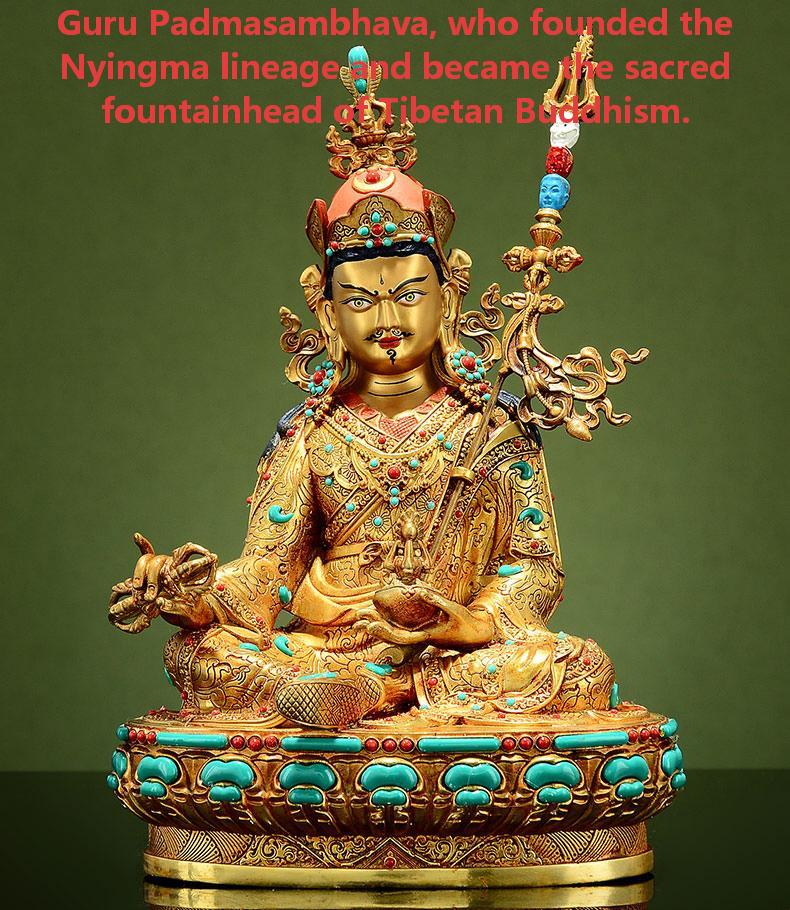
Tibetan Buddhism boasts an unbroken spiritual lineage. Introduced into Tibet in the 7th century, it was further consolidated and flourished upon the advent of Guru Padmasambhava in the 8th century. Integrating both exoteric scriptural teachings and esoteric practices—including mantra recitation, visualisation, and ritual observances—it presents a comprehensive spiritual edifice endowed with profound metaphysical depth and pragmatic devotional methods, thus catering to seekers of all spiritual attainments. It lays paramount emphasis on inner mental cultivation, and meditations on life, death, karma and cosmic causality. Such profound exploration of the inner spiritual realm irresistibly draws modern dwellers yearning for tranquility of soul.
II. Mystique and Ritual Grandeur of an Exotic Civilization
It unfolds a distinctive aesthetic and sensory experience. Its iconography, thangka art, butter lamps, sacred incense, ritual paraphernalia, rhythmic chanting and invocatory mantras converge to forge an atmosphere of solemn mystery and consummate ritualism. Amid the hurried, restless tempo of modern urban existence, such aesthetic grace stands apart, answering mankind’s perennial longing for the poetic and transcendent beyond mundane life. The Himalayan civilisation, fused with the sublime serenity of highland nature, has long been endowed with an enduring imagery of sanctity, purity and transcendental mystery.
III. Modern Spiritual Longing and Solace for the Soul
Amid mounting pressures of contemporary life, multitudes turn to Tibetan monastic repose and mantra practice as refuge from anxiety and inner unrest. Its unique interpretation of life’s enigma, suffering, and bliss furnishes spiritual anchorage and existential answers for modern humanity, who dwell in material abundance yet suffer from profound spiritual barrenness.
IV. Global Dissemination and Legacy of Renowned Spiritual Masters
Great Tibetan Buddhist scholars and spiritual elders have propagated their tradition across the globe, extending the wisdom of Tibetan Buddhism to Europe, America and distant lands. In the course of intercultural exchange, the tradition has also absorbed insights from modern psychology, and adapted its teachings into modes of expression intelligible to Western minds. This reconciliation renders the ancient faith far more accessible to modern generations.
V. Labelling of Geographical and Cultural Symbols
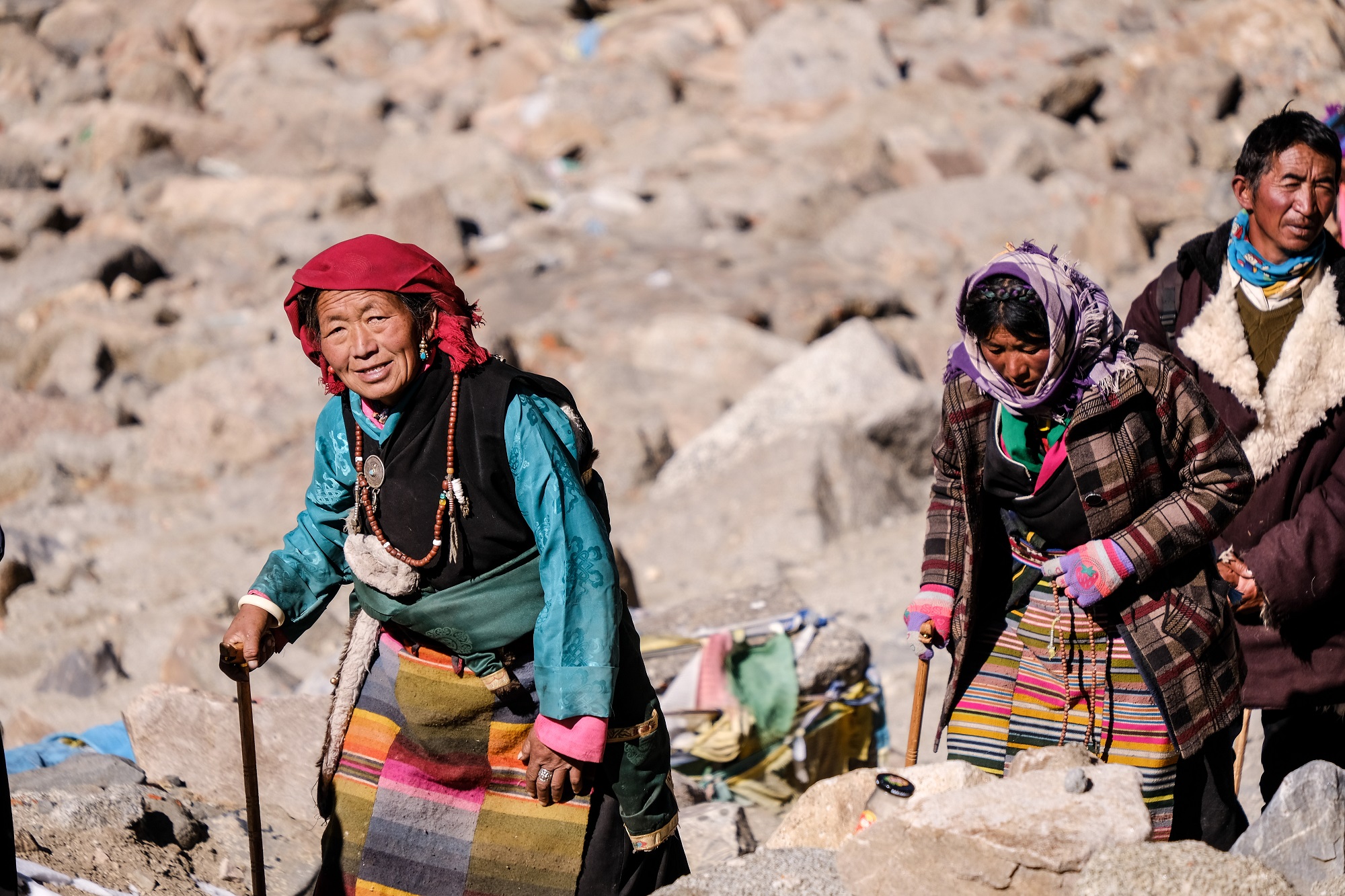
Himalayan heritage has transcended pure religious devotion, evolving into a stylistic emblem of modern lifestyle and spiritual fashion. Adornments such as dzi beads, miniature thangka talismans, meditative repose, sacred hymns, and mantra recitation have all become prevalent cultural tokens, satisfying modern seekers’ aspiration toward the innermost spiritual essence of Himalayan wisdom.
Are They Only Fair Mystical Legends, or the Ultimate Verities of the Cosmic Tao?
I: The Legend of Shambhala
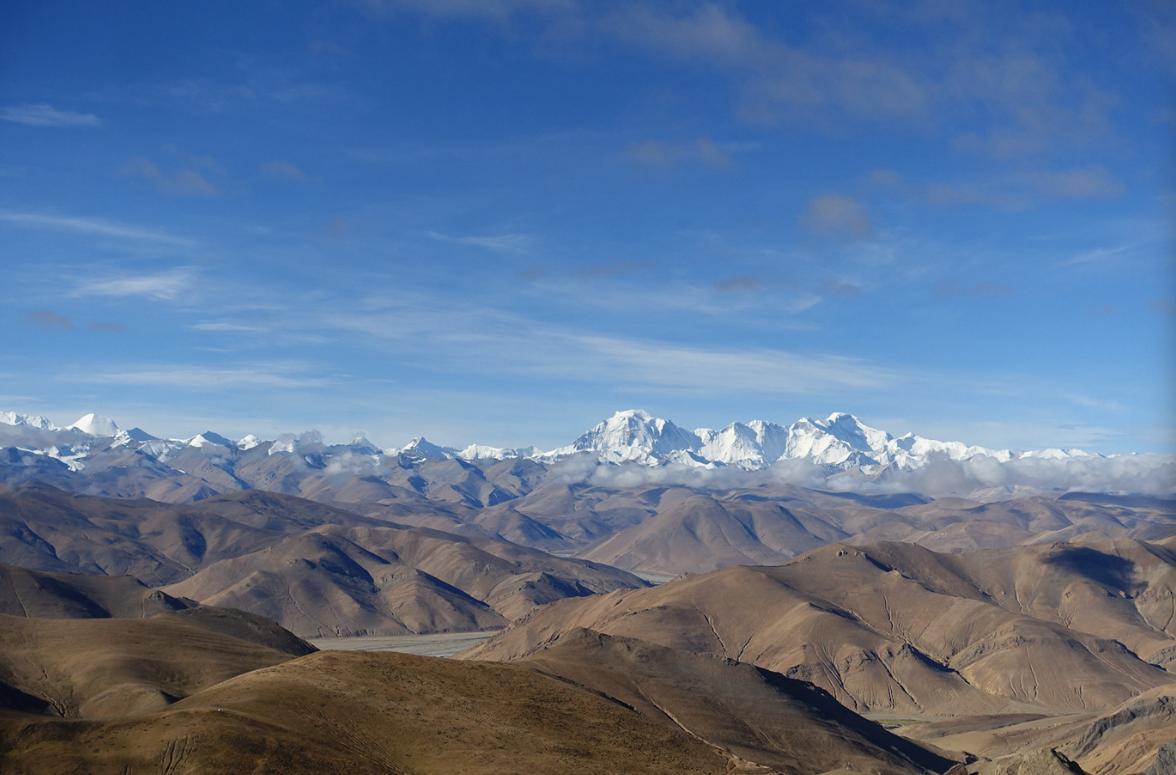
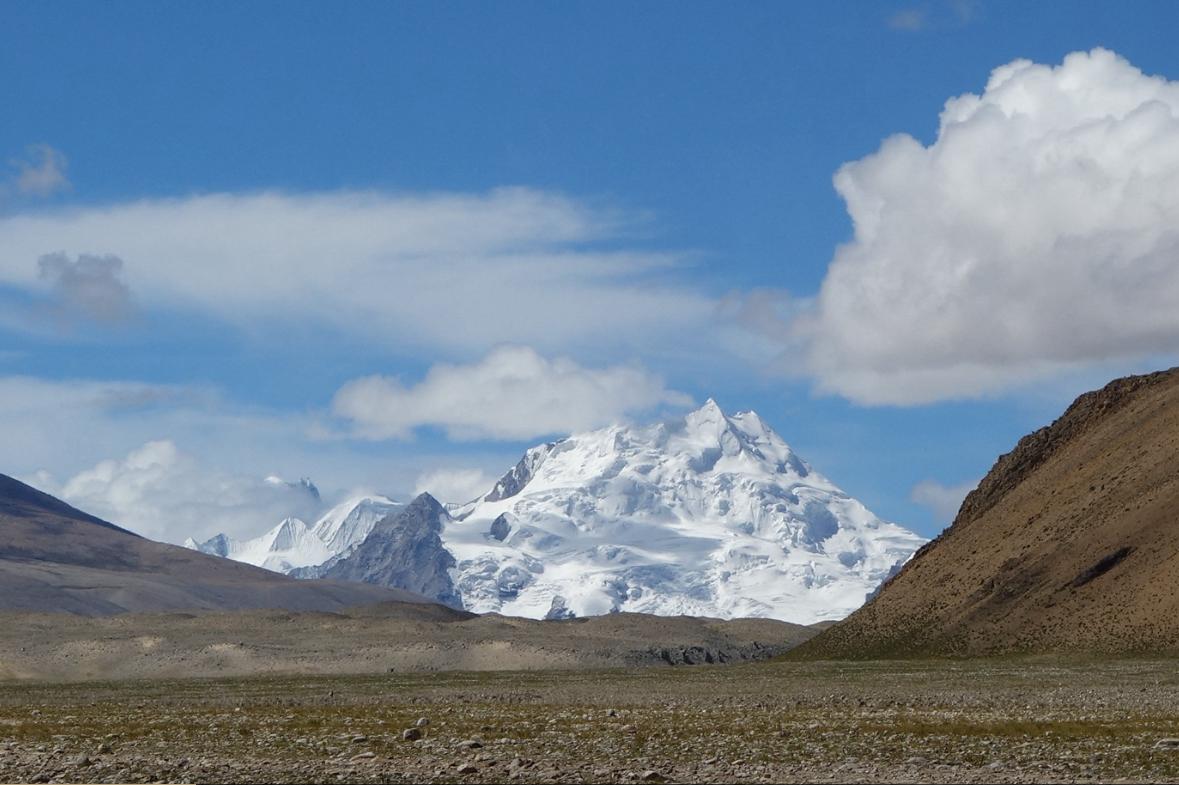
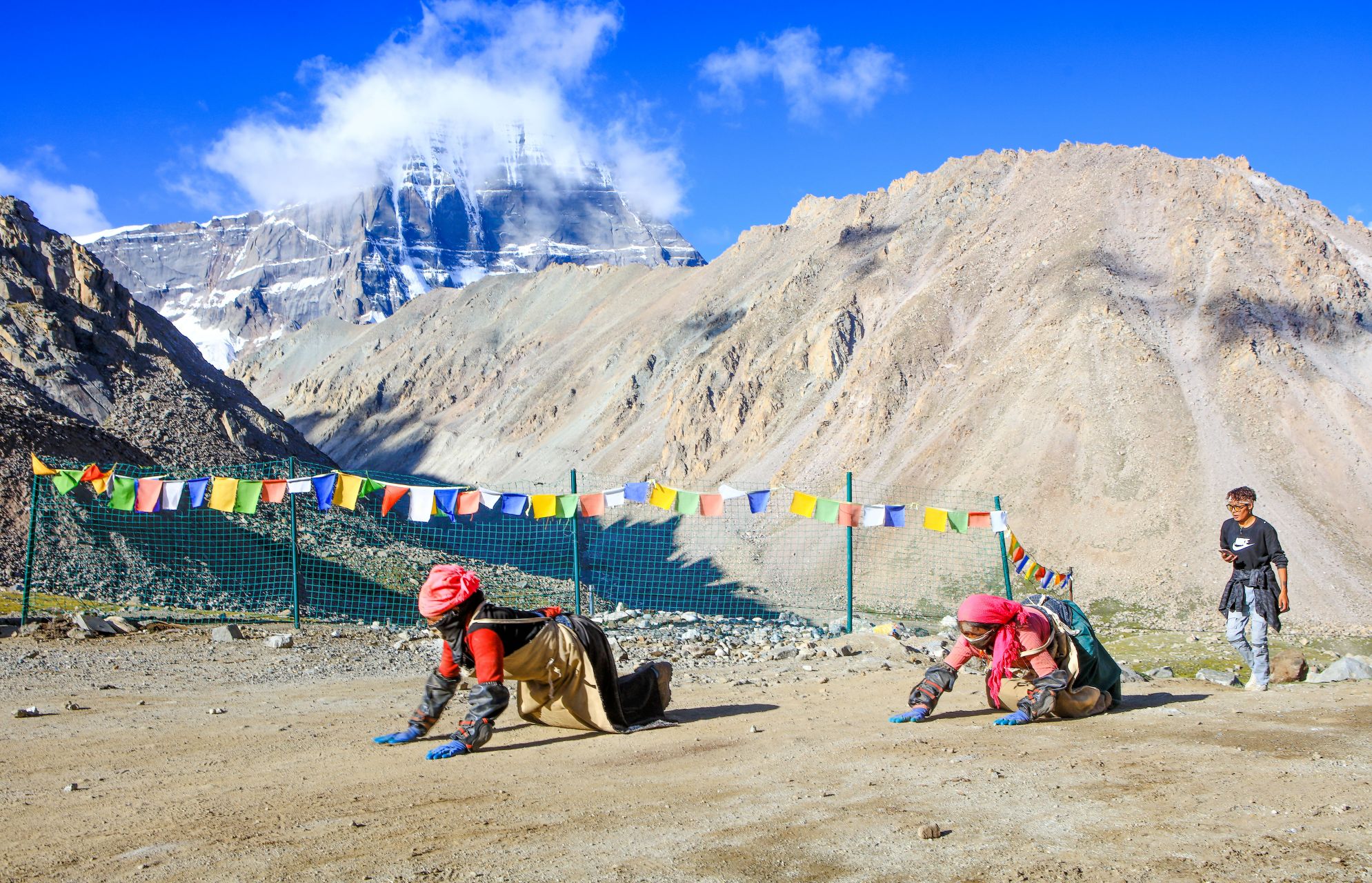
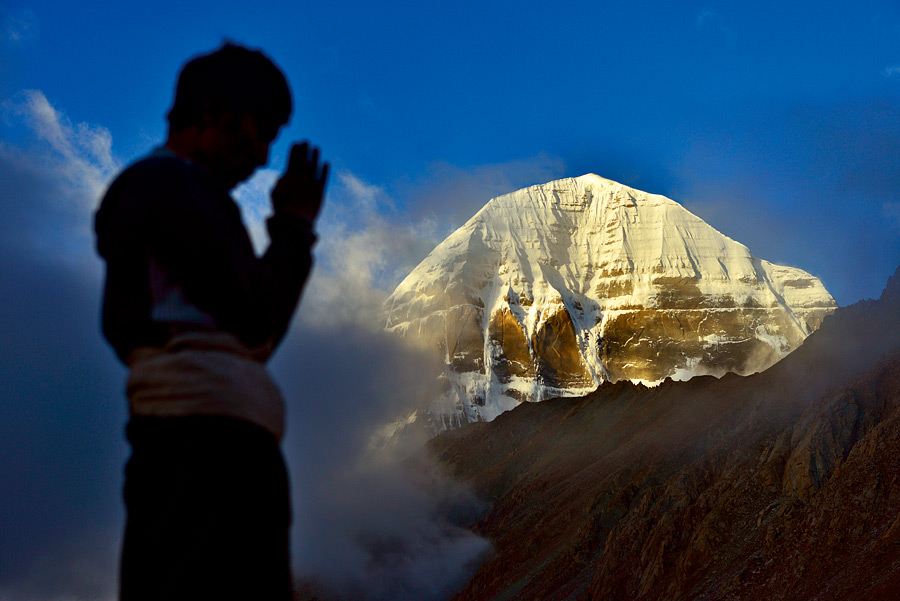
All accomplished masters of the schools of Tibetan Buddhism concur in the existence of Shambhala, a mysterious realm lying amid the Himalayan ranges and the environs of Mount Kailash. Tradition holds that this pure land on earth, this terrestrial paradise, is accessible solely to souls of untainted purity, and to realized adepts who practise the Kalachakra Tantra, karmic conditions permitting.
Historical annals record that during the Second World War, Adolf Hitler and Heinrich Himmler dispatched successive exploratory expeditions into Tibet in quest of Shambhala, and to verify the so-called Aryan lineage myth. They fanatically believed the German people descended from the Aryans, whom they deemed the founders of the lost civilization of Atlantis. Struck down by celestial retribution, Atlantis perished; yet remnant Aryans escaped its fall, scattering across India, the Indian subcontinent, the Himalayan highlands, and the Qinghai-Tibet Plateau. Here, they sought to revive the former glory of Atlantis and established the hidden kingdom of Shambhala, also known to the world as Shangri-La.
According to this esoteric lore, Shambhala harbours the most sublime and primordial wisdom of the cosmos, and constitutes the very Axis of the Earth. To attain this realm would grant mastery over time itself, enabling one to reverse the flow of chronos, turn back history to the zenith of Nazi ascendancy, amend past errors, and ultimately vanquish the Allied powers. By virtue of the Axis’ transcendental force, it was even fancied that an undying host of warriors might be forged, invincible in all conflict.
Contrarily, another spiritual interpretation prevails among Buddhist practitioners: Shambhala is no terrestrial domain at all, but an ideal abode within the mind. It symbolises the final abode of the spiritually realized, and the consummate fruition of Buddhahood attained through cultivation.
II: The Transcendent Phenomenon of Rainbow Body Attainment
The diverse manifestations attending the passing of Tibetan Buddhist masters reveal the varying spiritual fruits they have attained in their practice. Ever since Guru Padmasambhava's advent to Tibet in the 8th century, where he synthesised indigenous Bon faith with Buddhist doctrine, unfolded manifold skillful means to liberate all beings, and subdued obstructive spiritual forces, he bequeathed Tibet with the Dzogchen teachings. Embodied within these precepts is the supreme esoteric method whereby the physical body transfigures into rainbow radiance- the tradition of the Dzogchen Rainbow Body and Throne Attainment.
By the Guru's doctrine, the transmutation arises when the practitioner's mind unites perfectly with the Primordial Luminosity of Dzogchen. Upon the apex of spiritual realization, the seven-hued inner light emanates forth from the heart center. In Tibetan thangka iconography and sacred hagiography, Guru Padmasambhava did not meet ordinary mortal death; instead, he manifested as a Rainbow Body enshrouded in prismatic light, revered as his Luminous Rainbow Manifestation.
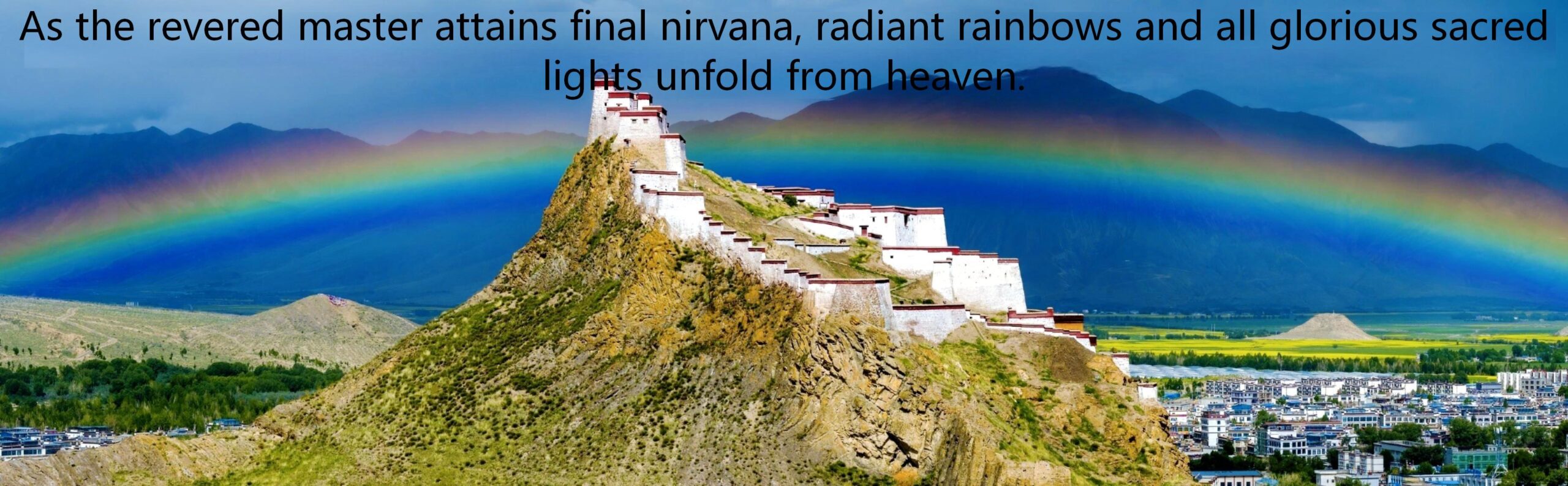
Rainbow Body attainment is regarded as the most supreme fruition of Dzogchen tantra, signifying immediate liberation in this lifetime, with the mortal flesh transmuted into a body of five-coloured luminous essence. Within Tibetan Buddhism, and above all the Nyingma Dzogchen lineage, Rainbow Body denotes the wondrous phenomenon wherein a master's corporeal form dissolves into luminous essence or diminishes upon parinirvana.
By degrees of spiritual achievement, the attainment is classified into four successive realms, with established scholarly nomenclature:
1: Small Rainbow Body (Diminishing Rainbow Body)
The most common form of attainment. Following parinirvana, the physical remains gradually shrink over several days, dwindling to the stature of an infant, or merely one to two cubits in height—often described by Tibetan monks as no larger than a human forearm.
2: Common Rainbow Body
The practitioner’s entire physical form vanishes utterly within rainbow radiance, dissolving into luminous essence. Only inert bodily relics, namely hair and fingernails, remain behind.
3: Great Rainbow Body (Jalü Chenpo)
The exalted grade of Rainbow Body realisation. The corporeal frame dissolves instantaneously into beams of light, leaving no material vestiges whatsoever, not even hair or nails.
4: Rainbow Body of Great Transference (Jalü Phowa Chenpo)
The loftiest pinnacle of spiritual accomplishment, attained by only a handful of supreme realised beings, Guru Padmasambhava foremost among them. The adept transcends mortal death entirely; while still living, they transmute their flesh into an enduring perpetual Rainbow Body, capable of manifesting and vanishing at will.
For millennia, innumerable adepts have attained such rainbow fruition. Yet as photographic recording is of comparatively recent origin, accounts survive chiefly in sacred manuscripts and monastic chronicles. Nevertheless, two well-attested modern instances of verifiable record endure.
1- In 1952, General Zhang Guohua, then Commander of the Tibet Military Region and First Secretary of the Tibet Autonomous Regional Party Committee, was invited by Lama Sonam Namgyal to the Yilung region of Dege, Tibet. The two men shared an established rapport. One day, Sonam Namgyal informed General Zhang that he would depart Tibet at dawn, bidding him come to witness his passing.
On the following morning, General Zhang and his entourage arrived at the main monastery hall. Sonam Namgyal sat enthroned at the centre, surrounded by his monastic disciples. He did not rise to greet the guests, arousing the general’s curiosity, who paused to observe with his retinue. Presently, the lama rose aloft in mid-air, descending once, then again. On his third ascent, accompanied by a thunderous reverberation, his physical form vanished utterly before the assembled onlookers. Only a crimson cloud, or a streak of rainbow light, soared toward the heavens, leaving no mortal relics in its wake.
Beyond General Zhang and his attendants, dignitaries including Tudenima of the Tibetan nobility were also present. Sogyal Rinpoche, the renowned Dzogchen master, referenced this exact occurrence in The Tibetan Book of Living and Dying, attesting that Sonam Namgyal was the father of his own root guru. As a paranormal event witnessed firsthand by a senior officer of the Chinese People's Liberation Army, it stands as eminent modern evidence for the authenticity of Rainbow Body attainment.
The lama's purpose in inviting his lay friend to bear witness to this transcendent farewell was profound. It is recorded that thereafter, General Zhang became a steadfast protector of Tibetan monasteries, monastics, and precious Buddhist scriptures, emerging among contemporary officials as a man of gentle disposition toward Tibetan communities and Tibetan Buddhism. Through this miraculous tantric realization, Sonam Namgyal conveyed a timeless truth: the cosmos is not circumscribed by a single philosophical worldview, nor is materialism the sole ultimate verity. Beside the boundless, primordial laws of the Cosmic Tao, all narrow human conjecture appears trivial and naive. What had long been dismissed as superstition thus delivered a profound revelation to the confines of mundane material doctrine.
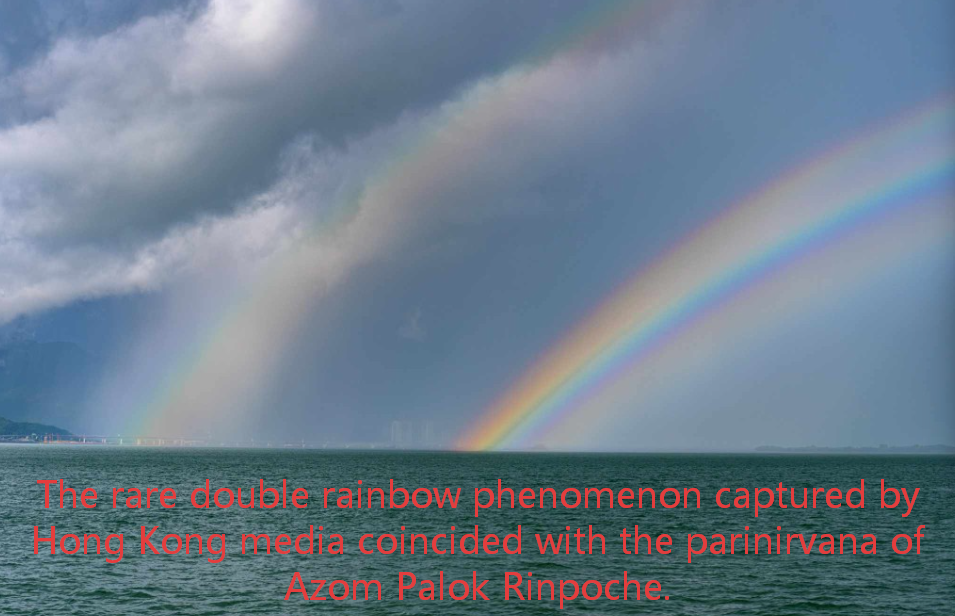
2 - In 2006, while propagating the Dharma in Hong Kong, Lama Azom Palo Rinpoche foresaw the exhaustion of his karmic lifespan. He personally telephoned Wang Jian of Hainan Airlines in mainland China, and calmly informed him: "I shall depart. Come to Hong Kong to see me for the last time". Wang immediately suspended all affairs and travelled to Kowloon.
Upon their meeting, the lama showed no signs of illness. In a state of transcendent equanimity, he conferred final teachings upon his disciples, and imparted last counsel regarding spiritual cultivation and worldly endeavour. According to accounts relayed by attending devotees and later shared by Wang among his associates, within a Kowloon residence, Azom Palo Rinpoche sat in deep samadhi. Amid the disciples' sacred chanting, his body emanated soft, radiant light, his complexion transmuting into translucent crystal.
Witnesses recounted that before their eyes, his form dwindled and faded like melting snow, until it dissolved completely into light, leaving no relics- not even hair or nails, constituting full Great Rainbow Body attainment. A rare, ethereal fragrance pervaded the chamber, lingering unbroken for successive days.
The event garnered widespread awe on account of its tangible celestial sign: at the exact hour of the lama's rainbow transmutation, the hitherto overcast sky above Kowloon blazed forth with two distinct, magnificent concentric rainbows. A major Hong Kong newspaper published photographs and brief reports of this rare atmospheric phenomenon in subsequent editions, offering merely meteorological explanations for the spectacle. To Buddhist believers, however, the twin rainbows were the unmistakable outer omen of a supreme master's consummate spiritual fruition.
III: The System of Tulkus: Tibetan Buddhist Reincarnation Lineages
Tibetan Buddhism is traditionally divided into four major schools, each with distinct doctrines and hereditary traditions:
Nyingma (The Red Order): The most ancient lineage, alone systematising the Nine Vehicles of Buddhist doctrine, and the principal inheritor of Anuyoga. Its highest spiritual ideal is the Dzogchen teaching.
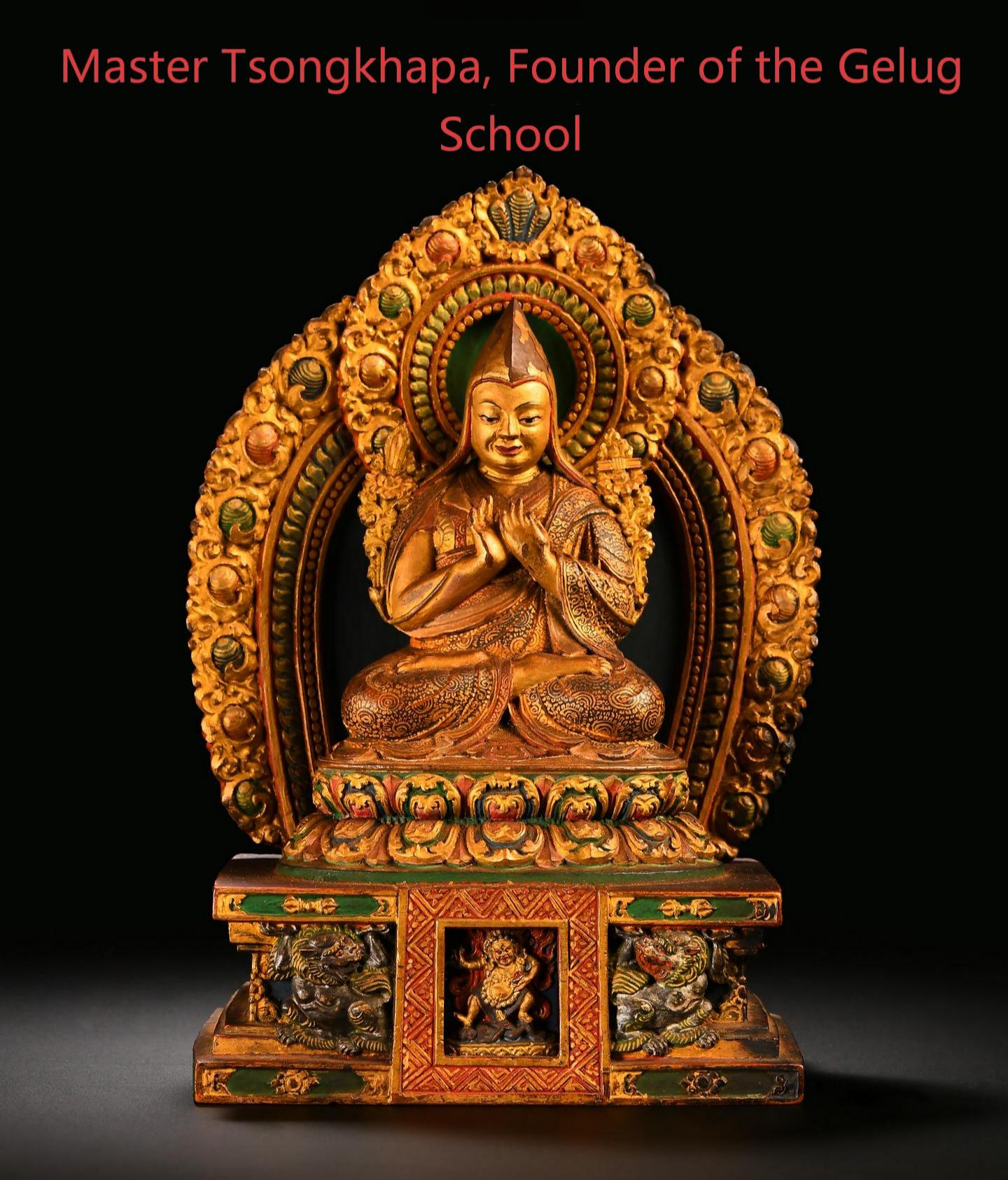
Gelug (The Yellow Order): Founded by Tsongkhapa, emphasising rigorous monastic discipline and the harmonious union of exoteric sutra and esoteric tantra.
Sakya (The Flower Order): Renowned for its Lamdre, the Path and Fruit doctrine.
Kagyu (The White Order): Distinguished by Mahamudra and the Six Yogas of Naropa.
The Kagyu School: Originator of the Tulku Reincarnation System
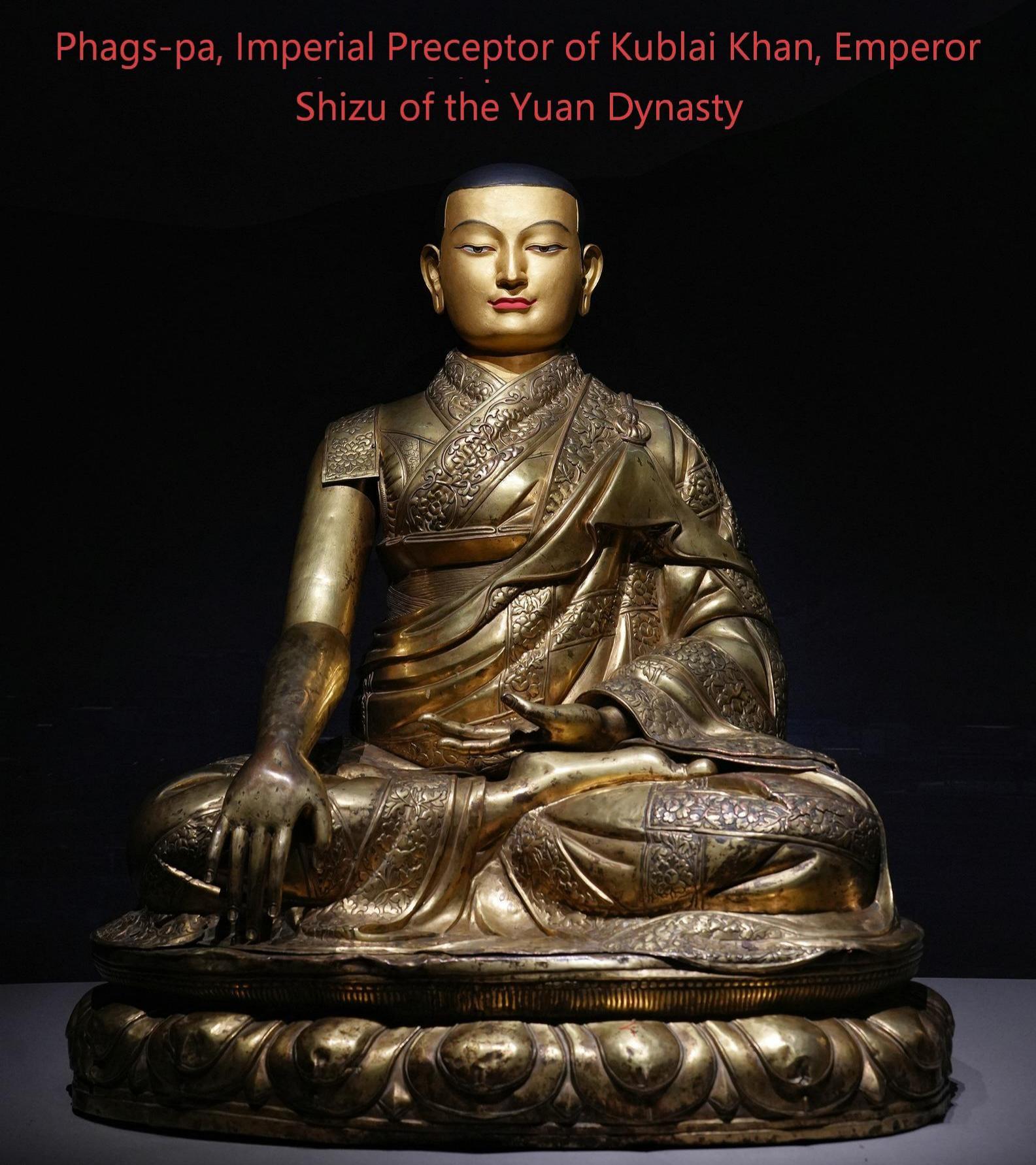
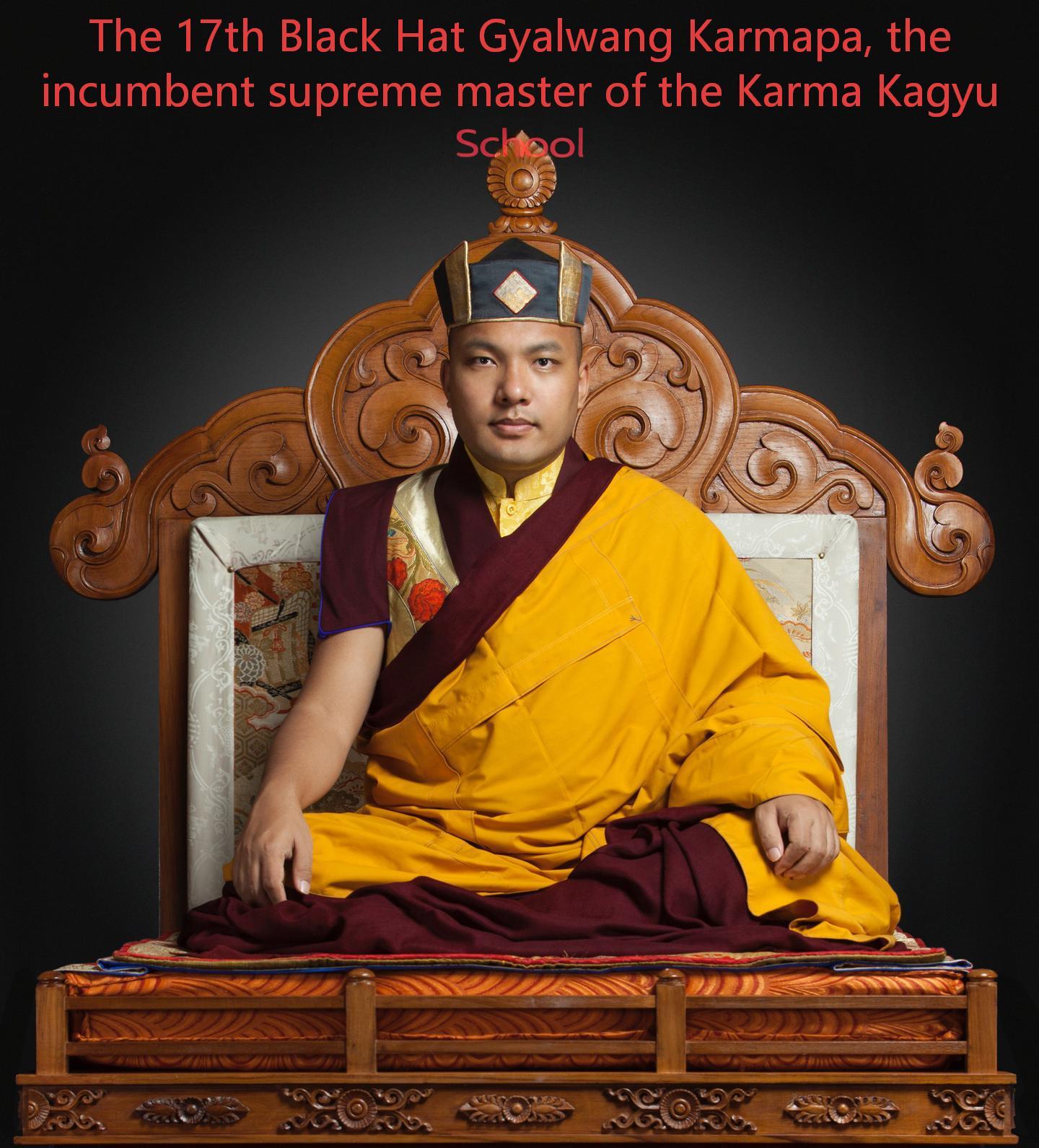
In the mid-thirteenth century, Karma Pakshi, the Second Karmapa of the Karma Kagyu lineage, pioneered the institution of living Buddha reincarnation. Endowed by the Yuan imperial court with the Golden-Bordered Black Crown, his lineage established the illustrious Black Hat Tulku succession.
The Gelug School: The Culmination of Reincarnation Tradition
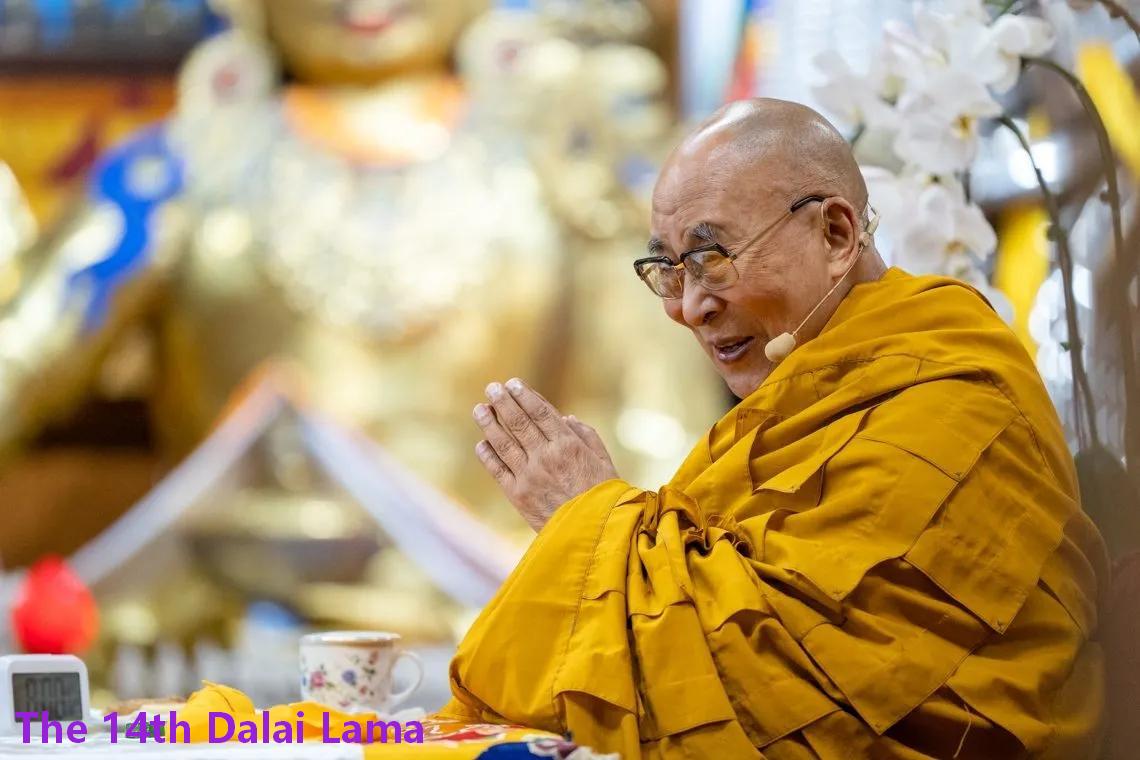
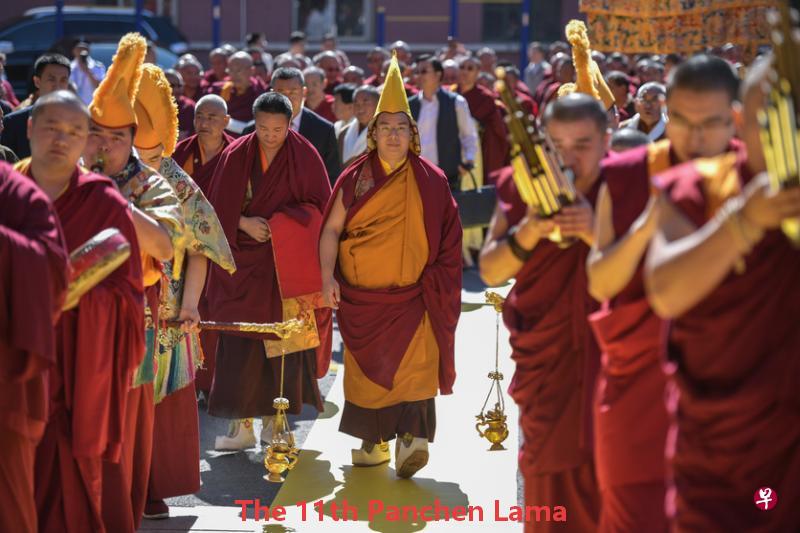
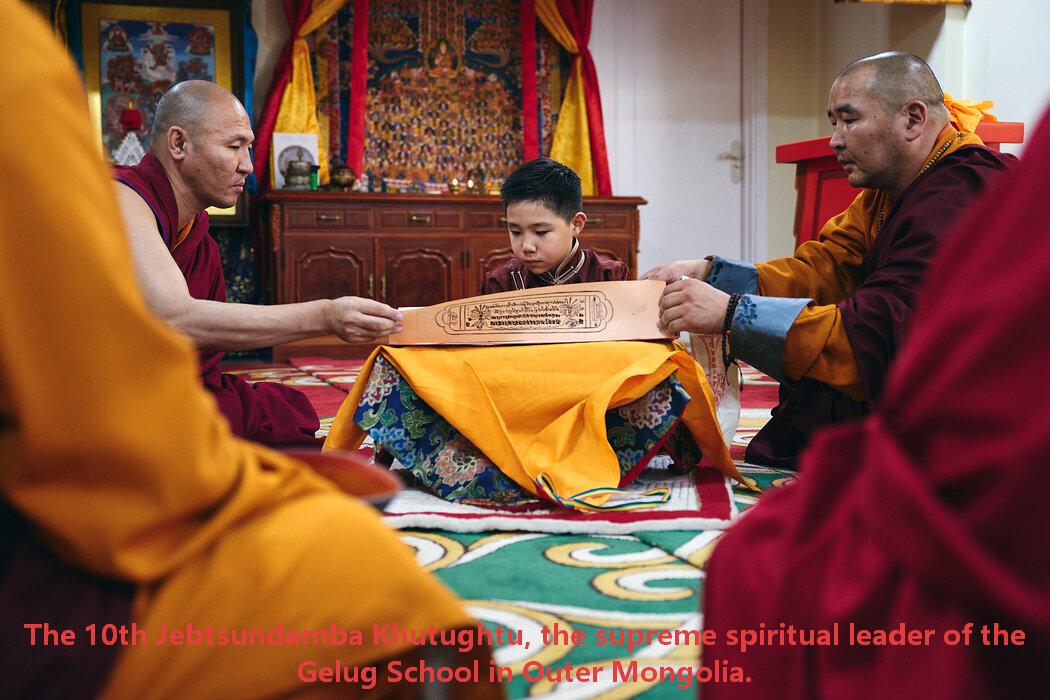
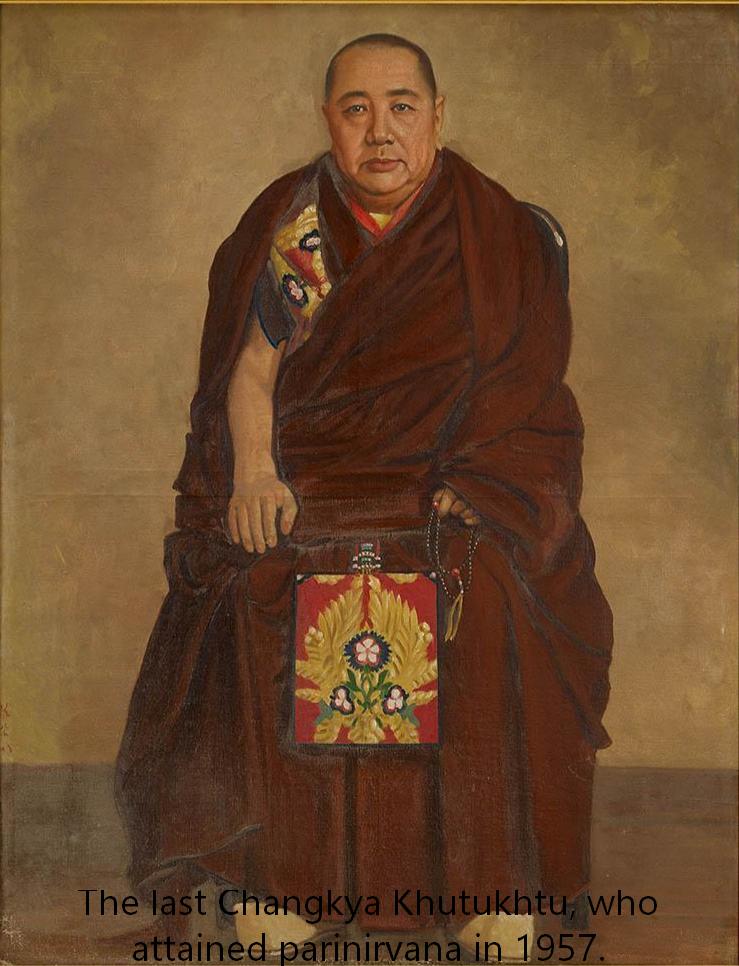
Though founded later by Tsongkhapa in the fifteenth century, the Gelug lineage evolved the most rigorous and extensive reincarnation system in Tibetan Buddhism. Its four paramount reincarnated hierarchies are: the Dalai Lama, the Panchen Lama (Tibet), the Jebtsundamba Khutukhtu (Outer Mongolia), and the Changkya Khutukhtu (Inner Mongolia).
The Nyingma School: Evolution from Kinship to Tulku Succession
As the oldest tradition, early Nyingma transmission rested chiefly on bloodline kinship and master-disciple lineage. Under the influence of the Kagyu and Gelug schools, it later universally adopted the living reincarnation system.
The Sakya School: Predominantly Kinship Inheritance with Supplementary Reincarnation
Historically, the Sakya lineage upheld exclusive hereditary transmission within The Khön Clan, through paternal and fraternal succession. With the gradual proliferation of the reincarnation institution, modern Sakya tradition maintains its clan heritage while recognising established Tulku reincarnation lines.
Core Ritual Procedures for Recognising Reincarnated Tulkus - All schools adhere to identical sacred protocols in the identification of reincarnated child lamas:
Testaments and Prophecies: Following written injunctions and oral foretellings left by the preceding lama before passing.
Divination and Omens: Ascertaining the geographical direction of rebirth via holy lake vision divination at Lhamo La-tso, oracle medium prophecies of protector deities, and auspicious portents attending the child's birth.
Recognition of Sacred Relics: The candidate is tasked with selecting the former lama's personal ritual implements- such as vajras, bells, and prayer beads- from an array of mixed objects.
Golden Urn Lottery System: Established during the Qianlong reign of the Qing Dynasty for the recognition of supreme high lamas of great eminence. Instituted to eliminate nepotism and clan favouritism, it ensures impartial and sacred succession.