-17%
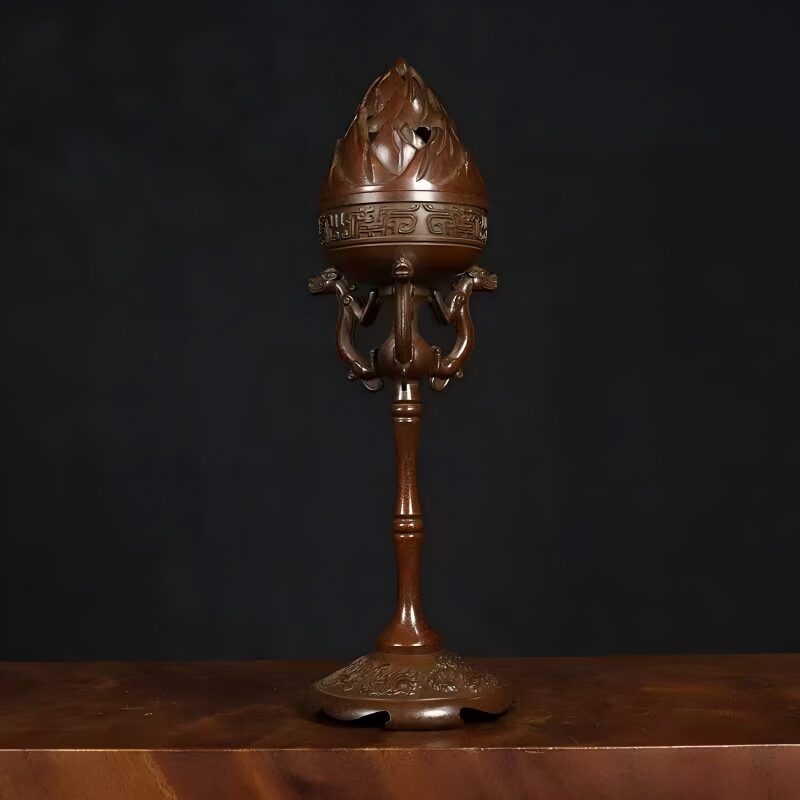
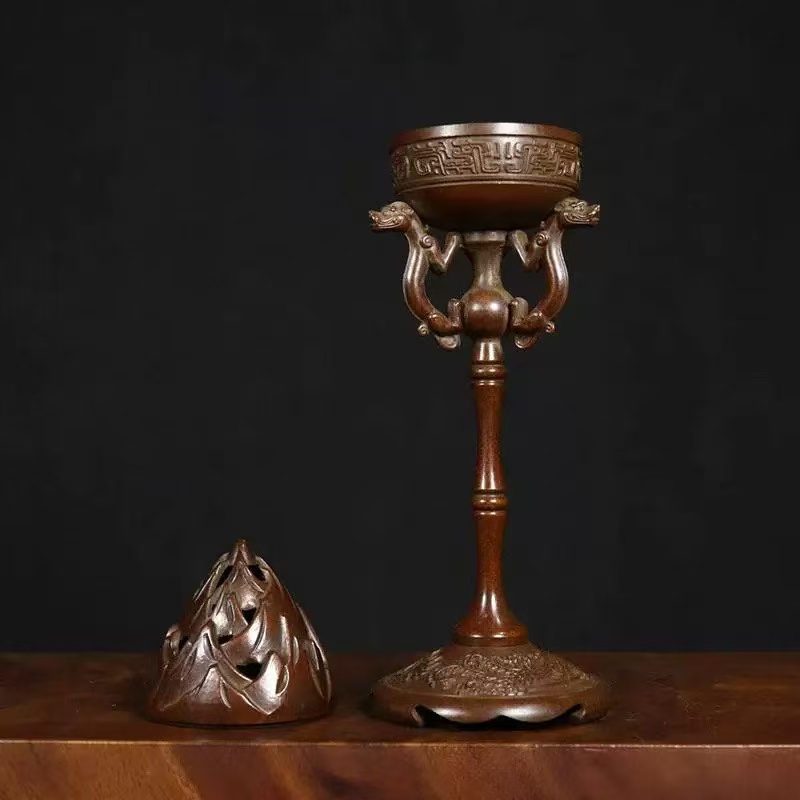
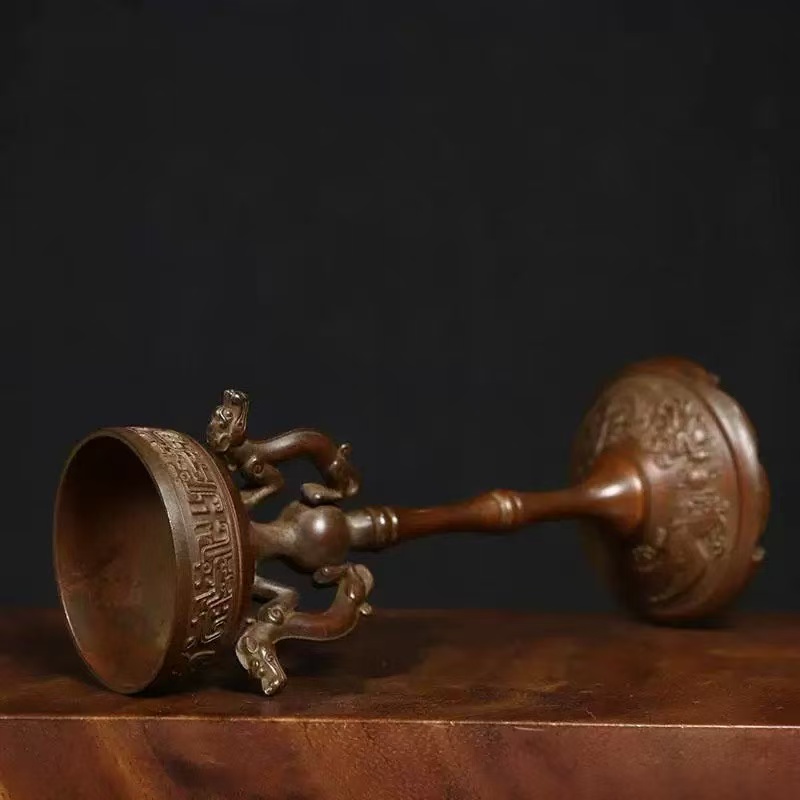
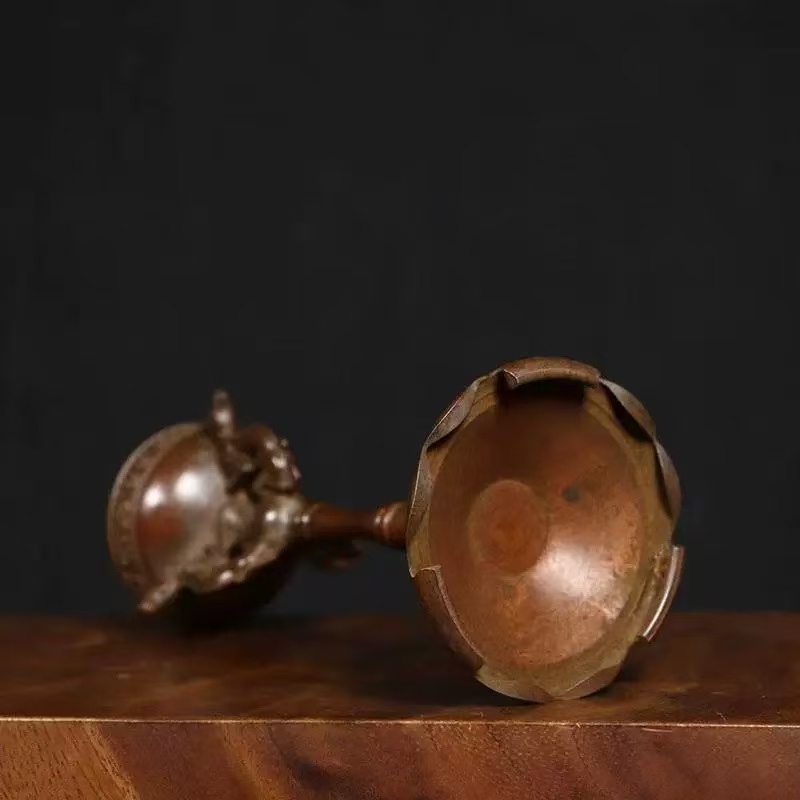
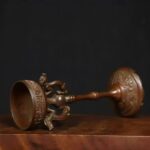
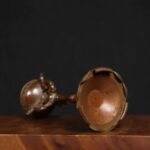
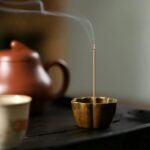
Vintage Mini Bronze Censer in Lotus Petal Form with Distressed Finish, Complete Incense Stick Set
Price range: $69.00 through $99.00set
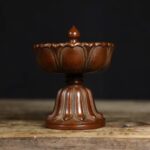
Archaistic Bronze Lotus Pagoda Form Censer
Original price was: $89.00.$69.00Current price is: $69.00.piece
The term Boshanlu (博山炉) literally translates to “Censer of Universal Sacred Mountains”. The nomenclature derives from the immortal mountain mythology prevailing in the Qin and Han dynasties. In ancient Chinese folklore, the vast East China Sea was home to three divine mountains — Penglai, Fangzhang, and Yingzhou — collectively referred to as Bo Shan (博山), the sacred abodes of immortals. These mythical mountains were described as mist-shrouded, layered with exotic peaks, and inhabited by celestial beings and rare auspicious creatures, symbolizing eternity and transcendence in traditional Chinese culture.
The unique design of the Boshanlu perfectly interprets this mythological conception. Its cover is intricately carved into overlapping, undulating mountain ridges with hollowed apertures. When incense is lit, wispy smoke drifts out from the crevices of the mountain carvings, simulating the swirling mist and ethereal clouds surrounding the celestial mountains. The ingenious integration of shape, function, and artistic conception allows mortals to visualize the immortal realm, which constitutes the fundamental reason for its naming and enduring artistic charm.
Archaeological findings prove that the embryonic form of mountain-shaped incense burners emerged in the late Warring States Period, with simple mountain pattern carving and immature craftsmanship, lacking standardized Boshanlu styling. Primitive prototypes sporadically appeared in the Qin Dynasty but failed to gain popularity due to short dynastic reign and underdeveloped incense culture.
The standardized and mature Boshanlu officially took shape in the early Western Han Dynasty (Wen-Jing Period). Its full prosperity and widespread prevalence were closely tied to Emperor Wu of Han. Devoutly obsessed with immortality and Taoist alchemy, Emperor Wu vigorously advocated immortal mountain-themed rituals and artifacts, elevating the Boshanlu from a daily aromatic tool to a ceremonial vessel for communicating with deities and praying for longevity. Since then, Boshanlu became prevalent in imperial palaces and aristocratic mansions, opening its golden age.
The mid-Western Han to Eastern Han Dynasties marked thepeak heyday of Boshanlu. During this period, the craftsmanship of Boshanlu reached an unprecedented height. High-grade aristocratic wares adopted elaborate techniques including gold inlay, silver inlay, gilding, and fine relief carving, decorated with patterns of hunting scenes, exotic beasts, clouds and waves, presenting magnificent and exquisite aesthetic characteristics. The iconic gold-inlaid bronze Boshanlu from the Mancheng Han Tomb represents the supreme craftsmanship of this artifact category.
Socially, Boshanlu broke the exclusive monopoly of the royal family and nobles. While high-class bronze wares prevailed in upper-class society, pottery imitations emerged for common folk burial and daily use, achieving nationwide popularity across northern and southern regions. Functionally, it integrated aroma purification, ritual worship, aesthetic appreciation, and spiritual sustenance, becoming the most representative cultural artifact of the Han Dynasty’s immortal cosmology.
After the Eastern Han Dynasty, the Boshanlu gradually faded from mainstream craftsmanship and daily life, undergoing a complete decline through the Wei, Jin, Southern and Northern Dynasties, for three core reasons.
First, the collapse of Han orthodox ideology led to the waning of immortal mountain worship. The rise of Wei-Jin metaphysics shifted social aesthetic and spiritual pursuit from Han-style grand immortal mythology to individual spiritual freedom and elegant seclusion, making the traditional Boshanlu’s mythological connotation lose mainstream cultural support.
Second, the prevalence of Buddhism brought new incense vessel aesthetics. Lotus-shaped censers and Buddhist ritual incense wares became mainstream, replacing the mountain-shaped Boshanlu that symbolized Taoist immortality. The functional and aesthetic substitution accelerated its marginalization.
Third, changes in incense culture and craft trends. The popularization of bulk incense and joss sticks altered traditional smoldering incense methods, while craft aesthetics turned from grand and intricate ritual styling to simple and elegant daily furnishings. The complex hollow mountain structure of Boshanlu gradually lost practical and aesthetic advantages.
In the Sui and Tang dynasties, Boshanlu only existed as occasional antique imitations, no longer popular in society. After the Song Dynasty, it completely withdrew from daily use and ritual systems, becoming a classic ancient artifact preserved only in archaeology, collections and literary records.
Though faded in history, the Boshanlu remains an irreplaceable treasure in Chinese ritual art history. It is the only artifact that perfectly integrates Han Dynasty mythology, cosmology, craftsmanship and daily life, witnessing the peak of ancient Chinese bronze art and aromatic culture. In modern auction and collection circles, well-preserved official and aristocratic Boshanlu wares are highly sought-after, boasting supreme historical, artistic and aesthetic research value.


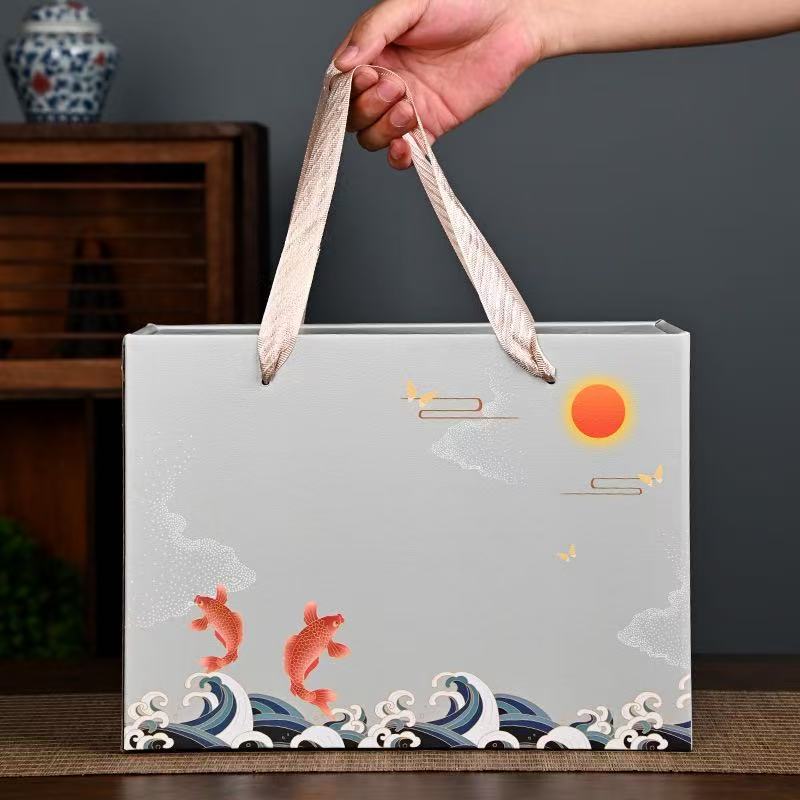
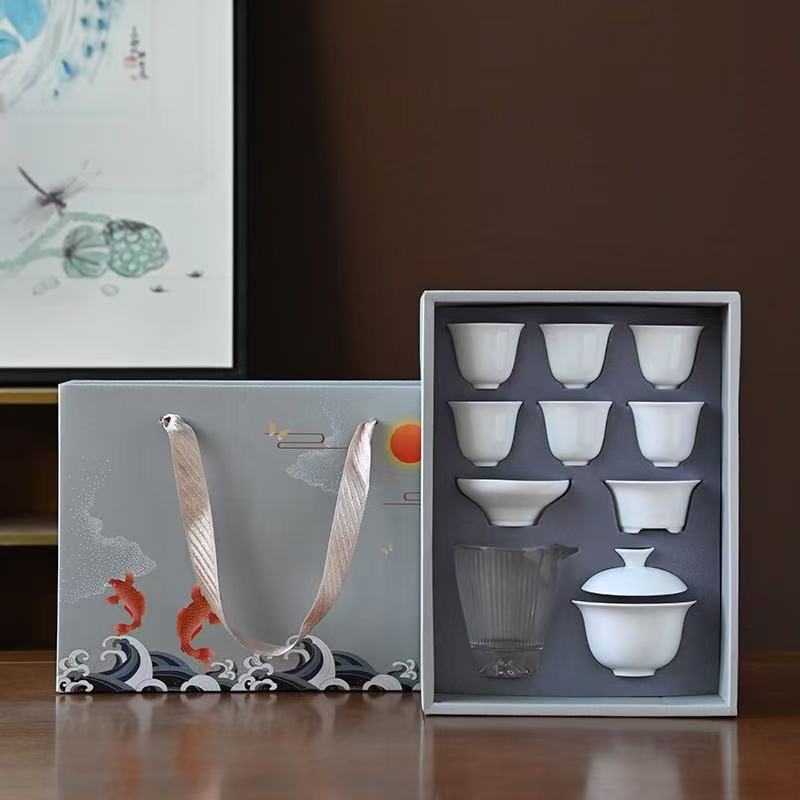
10-Piece “Carp Leaping Over the Dragon Gate” Dehua White Porcelain Kung Fu Tea Set
Original price was: $79.00.$49.00Current price is: $49.00.set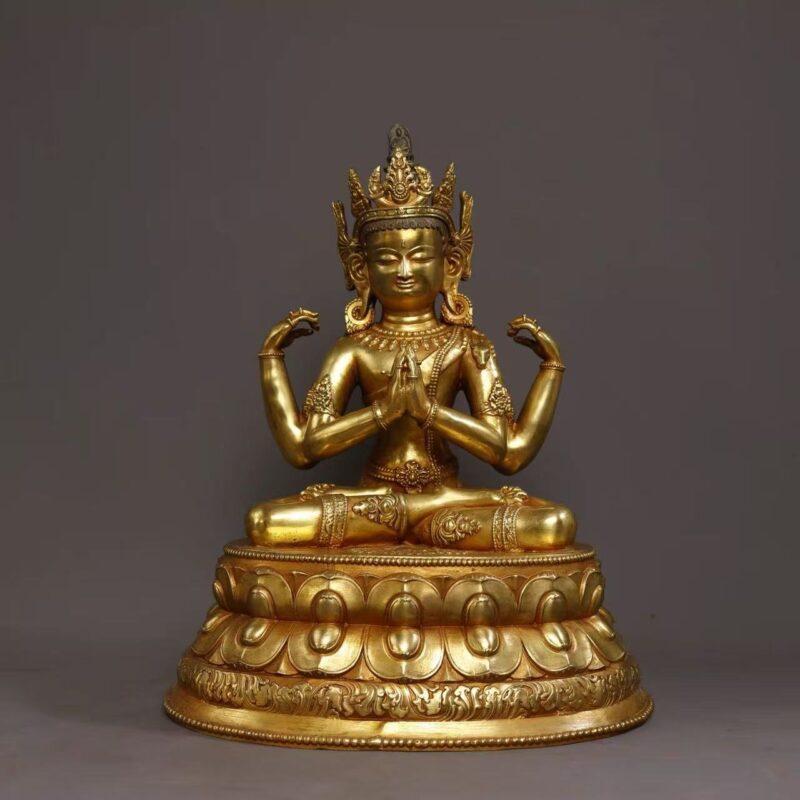
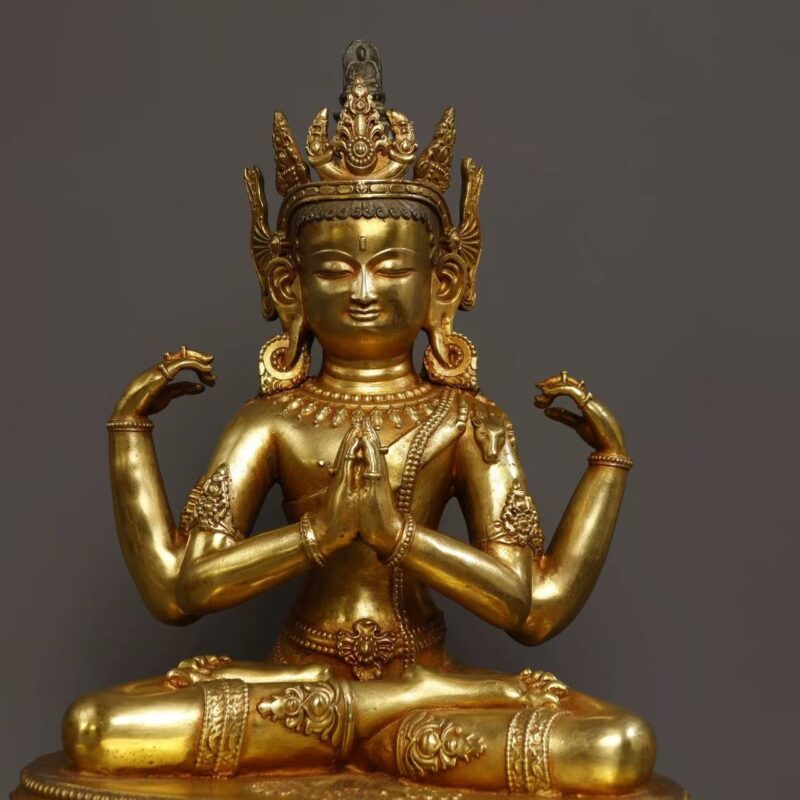
18th–19th Century Sino-Tibetan Gilt Bronze Seated Four-Armed Avalokiteshvara (Kwan-yin) Statue
Buddha statue, Handicrafts with Himalayan, Buddhist and Taoist Features of China, Best Sellers, New Arrivals
Original price was: $999.00.$799.00Current price is: $799.00.statue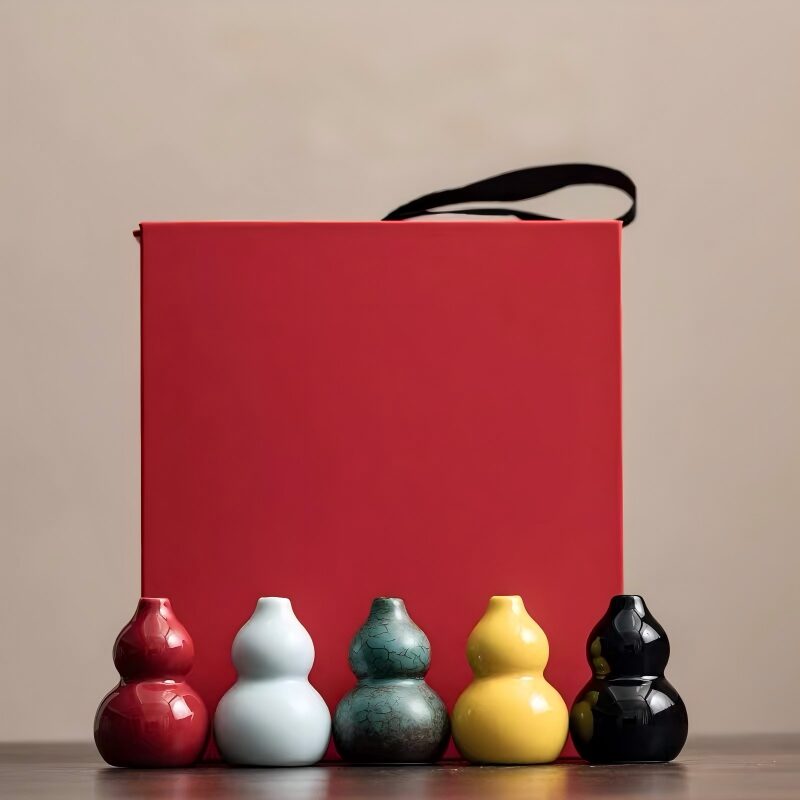
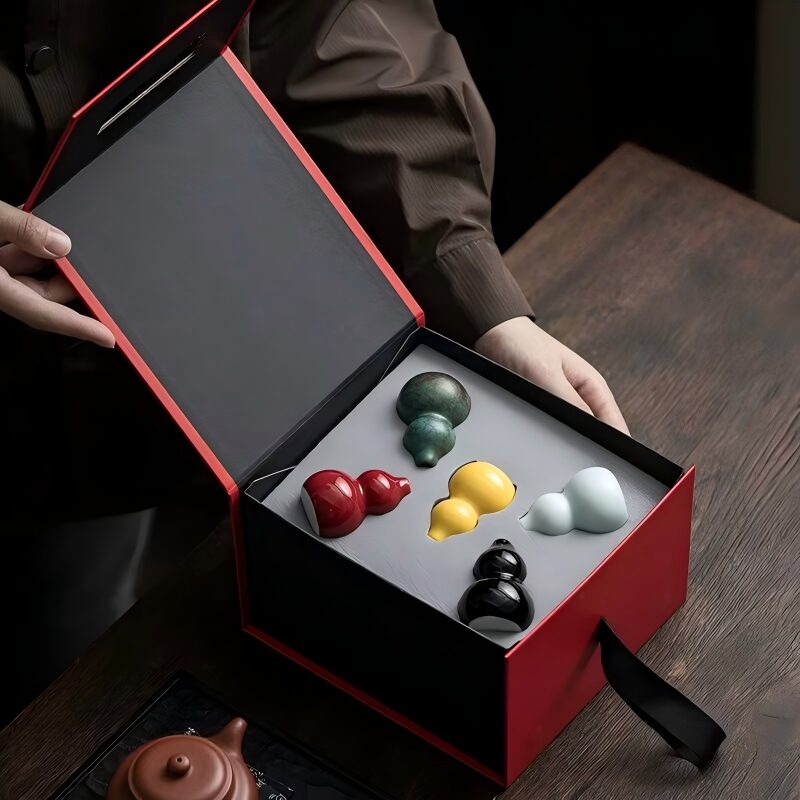
5-Piece Multicolored Ceramic Calabash Gift Set | Feng Shui Ornaments & Incense Holders
Celadon & White Porcelain, Elegant Objects, Fengshui ornament, Handicrafts with Himalayan, Buddhist and Taoist Features of China, Incense burner, Best Sellers, New Arrivals
Original price was: $119.00.$89.00Current price is: $89.00.set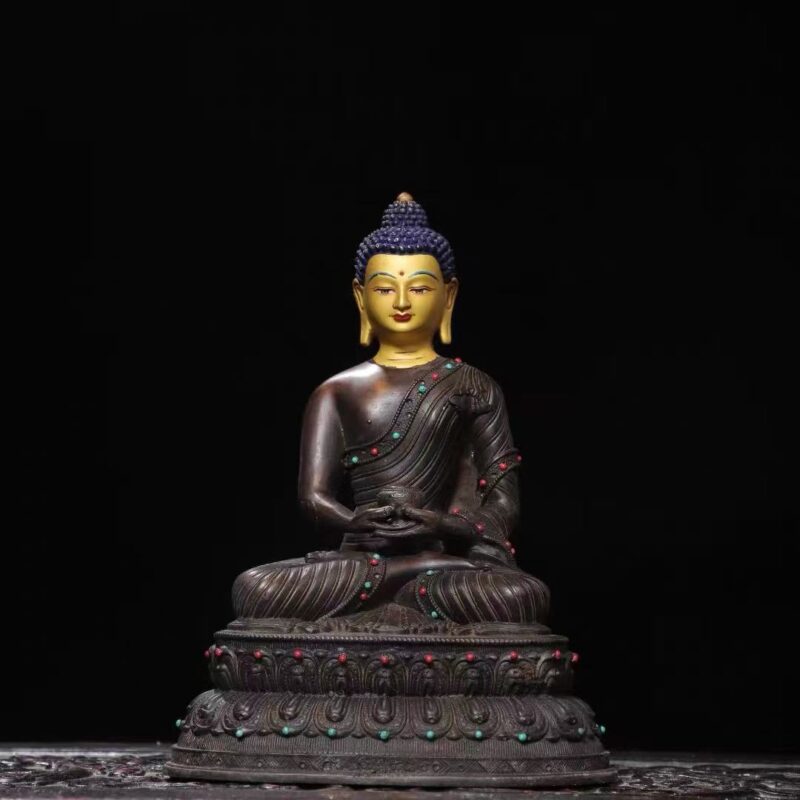
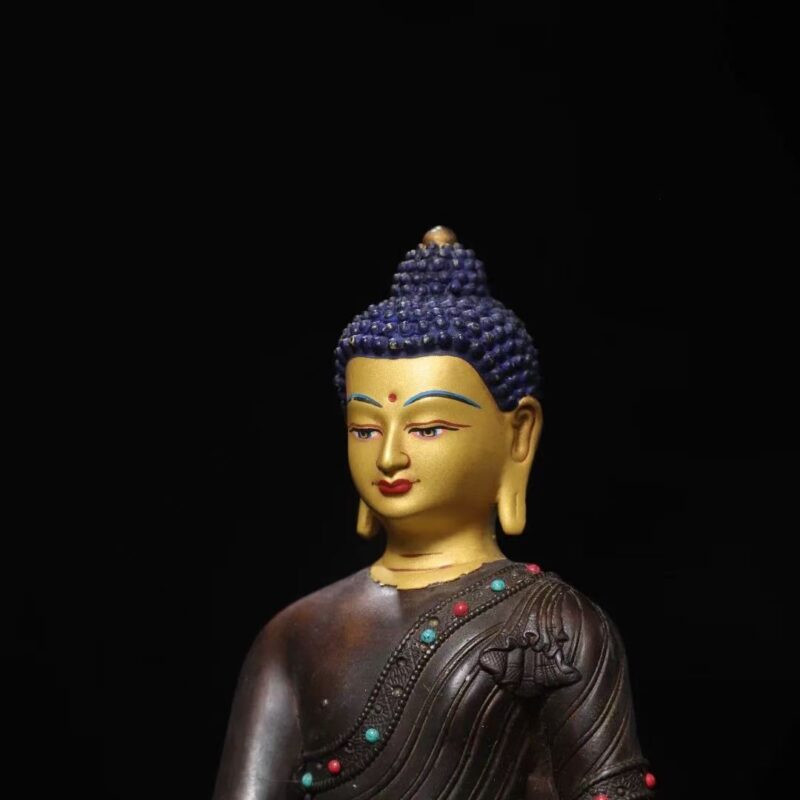
Aged Bronze Shakyamuni Buddha Statue with Gilded Face & Gemstone Inlays (Tibetan Style)
Buddha statue, Handicrafts with Himalayan, Buddhist and Taoist Features of China, Best Sellers, New Arrivals
Original price was: $339.00.$259.00Current price is: $259.00.statue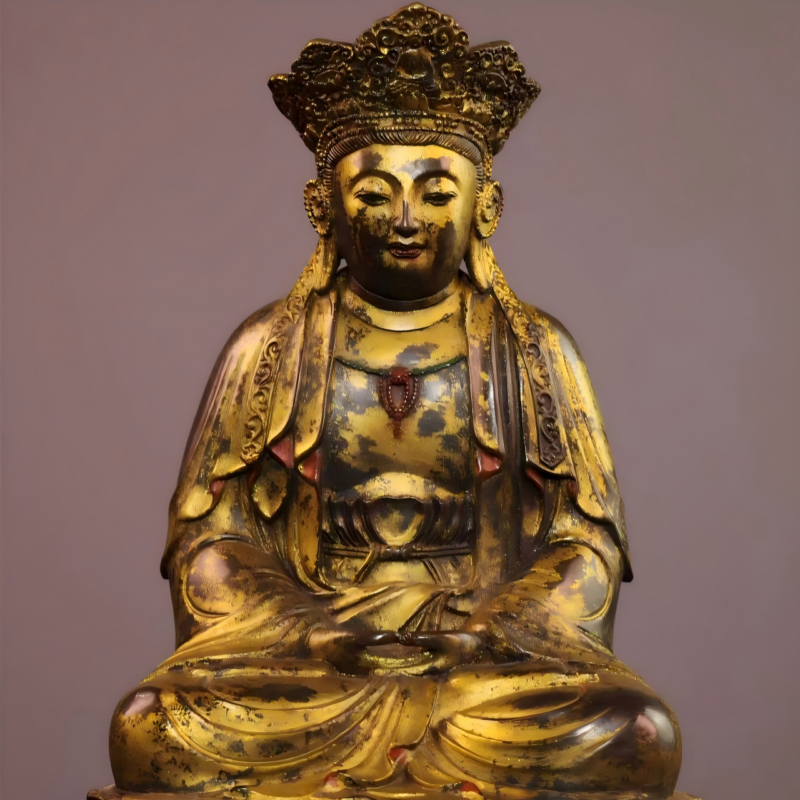
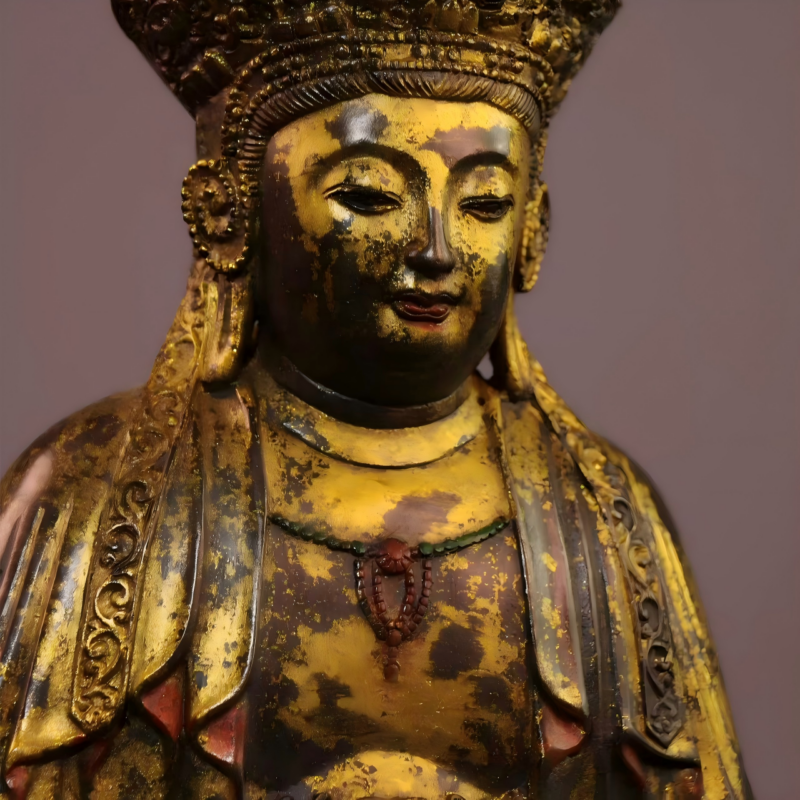
Aged Gilt Bronze Vairocana Buddha Icon, Ming Dynasty Han Chinese Buddhist Style
Buddha statue, Handicrafts with Himalayan, Buddhist and Taoist Features of China, Best Sellers, New Arrivals
Original price was: $399.00.$299.00Current price is: $299.00.statue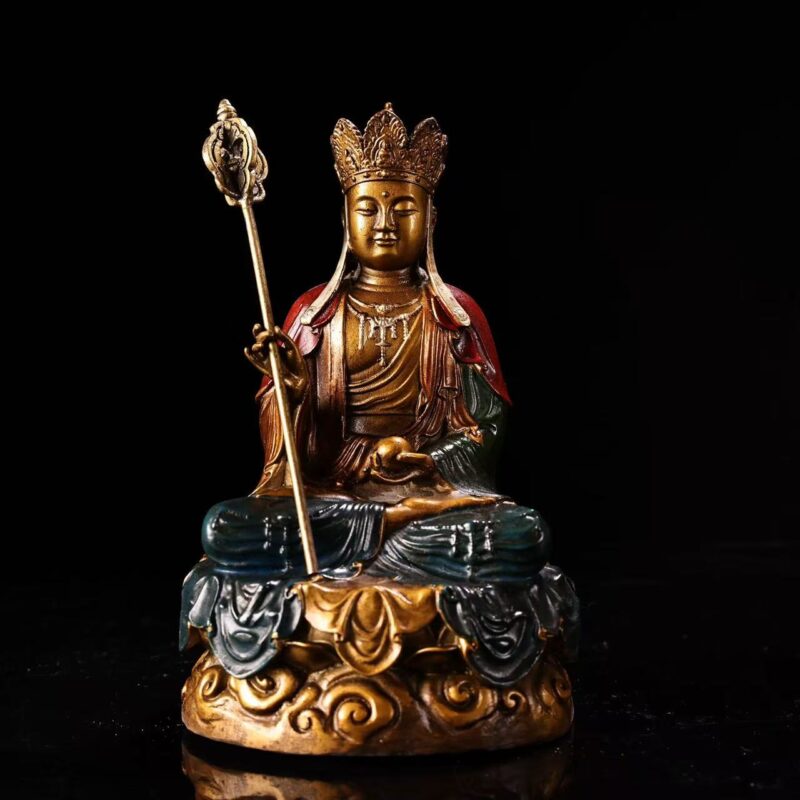
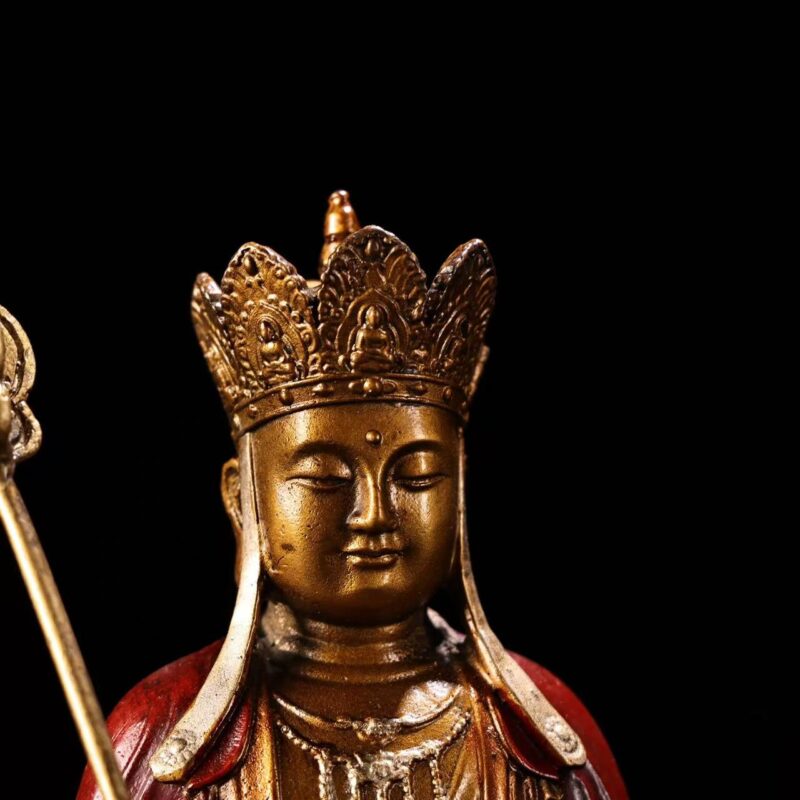
Ancient Craft Painted Gilded Bronze Seated Ksitigarbha (Ksitigarbharaja) Bodhisattva Statue
Original price was: $299.00.$219.00Current price is: $219.00.statue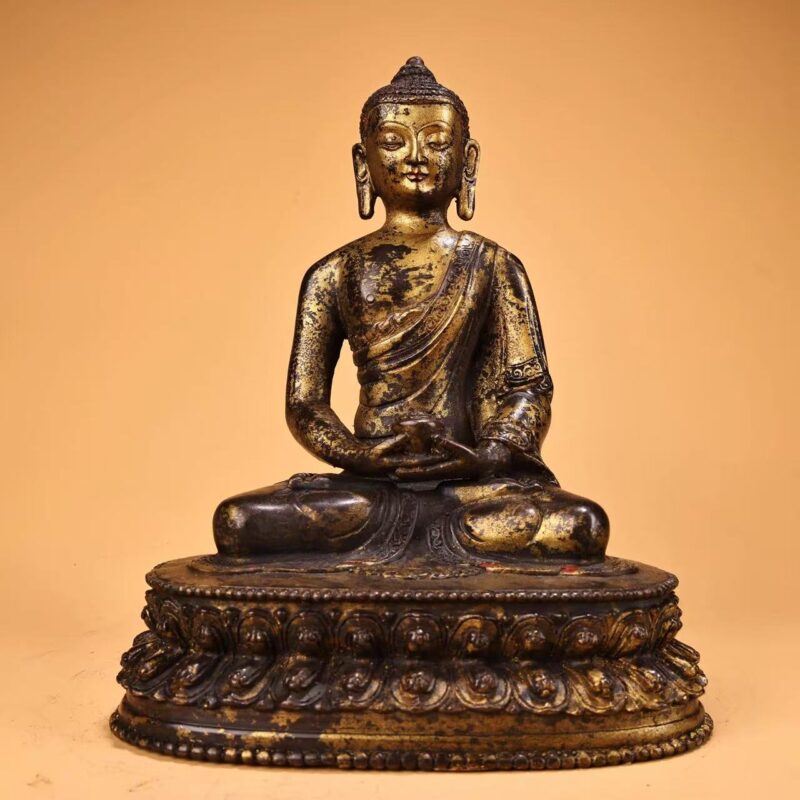
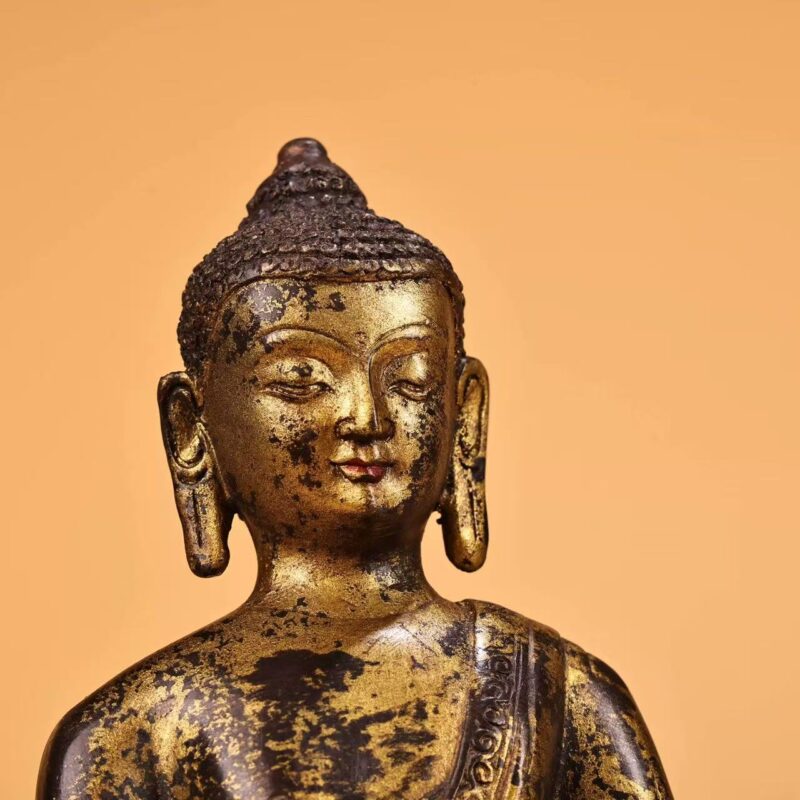
Antique Bronze Amitayus Buddha with High-Relief Chased Mud-Gild Finish
Buddha statue, Handicrafts with Himalayan, Buddhist and Taoist Features of China, Best Sellers, New Arrivals
Original price was: $339.00.$259.00Current price is: $259.00.statue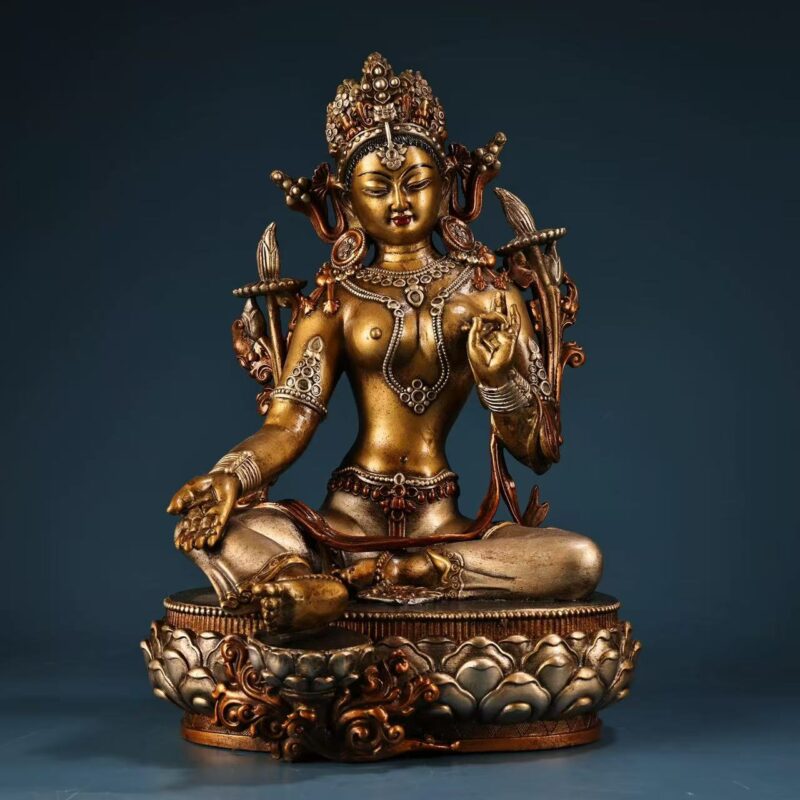
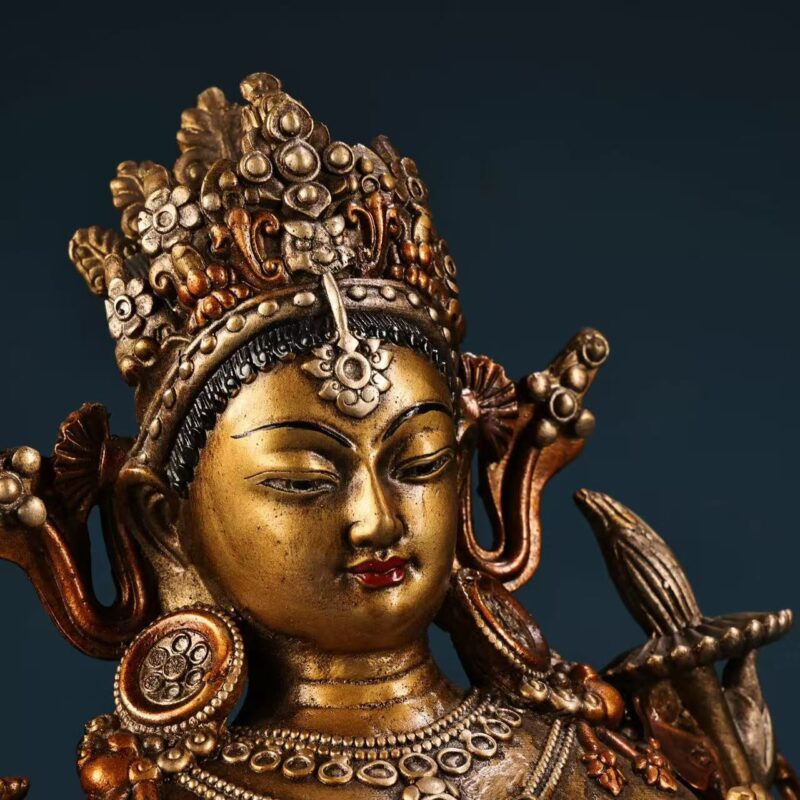
Antique Bronze Green Tara in Tibetan-Nepalese Style, Finished with Gold & Silver Gilding and Aged Patina
Buddha statue, Handicrafts with Himalayan, Buddhist and Taoist Features of China, Best Sellers, New Arrivals
Original price was: $599.00.$459.00Current price is: $459.00.statue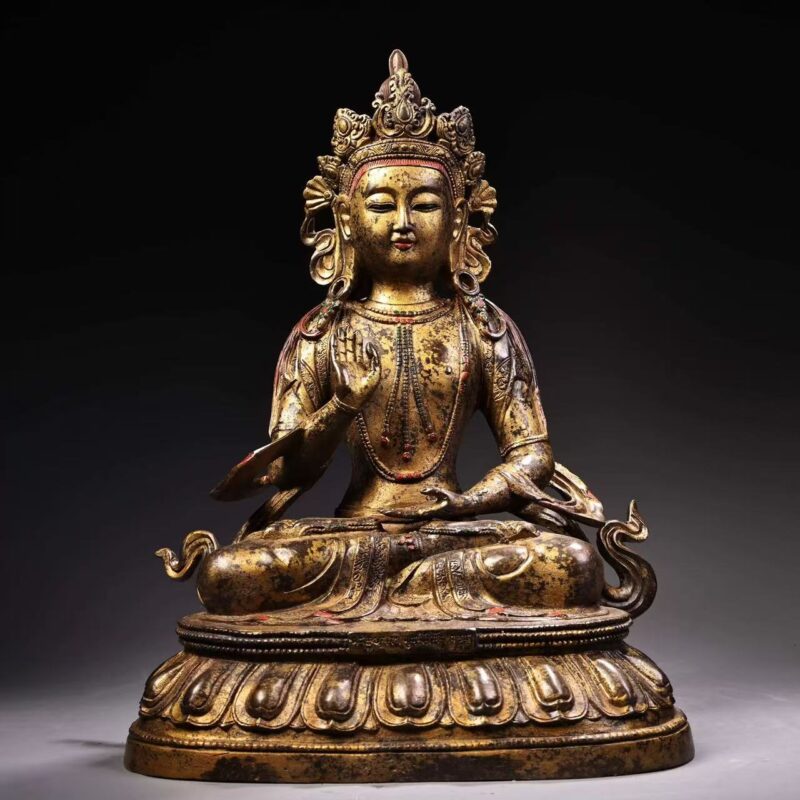
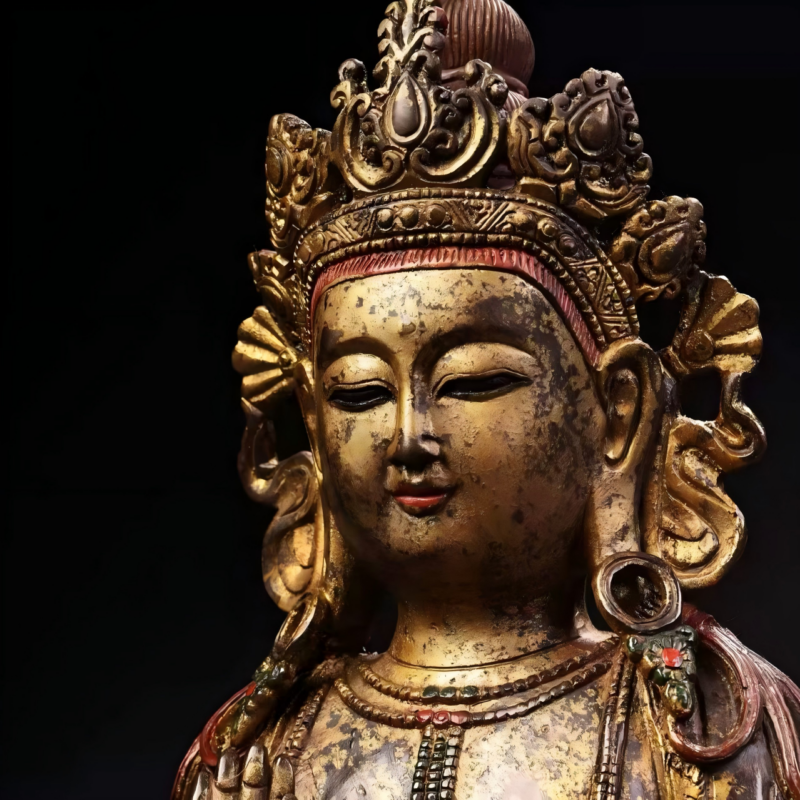
Antique Bronze Ksitigarbha Bodhisattva in Tibetan-Nepalese Style, With Chinese Buddhist Charm
Buddha statue, Handicrafts with Himalayan, Buddhist and Taoist Features of China, Best Sellers, New Arrivals
Original price was: $599.00.$419.00Current price is: $419.00.statue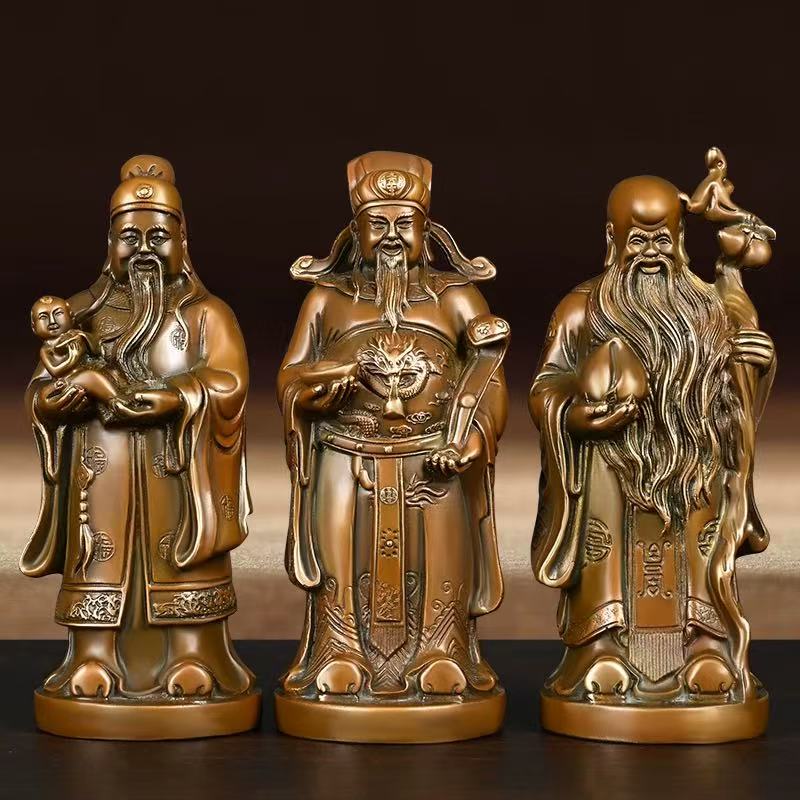
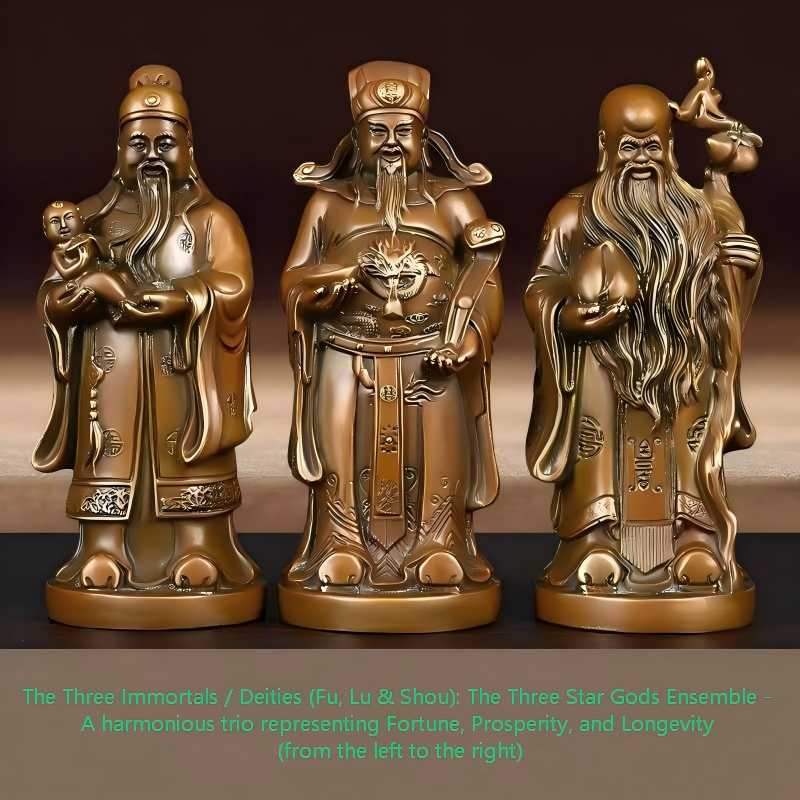
Antique Bronze Sanxing Ensemble: The Three Star Gods of Fortune, Prosperity, and Longevity
Fengshui ornament, Handicrafts with Himalayan, Buddhist and Taoist Features of China, Best Sellers, New Arrivals
Original price was: $299.00.$179.00Current price is: $179.00.set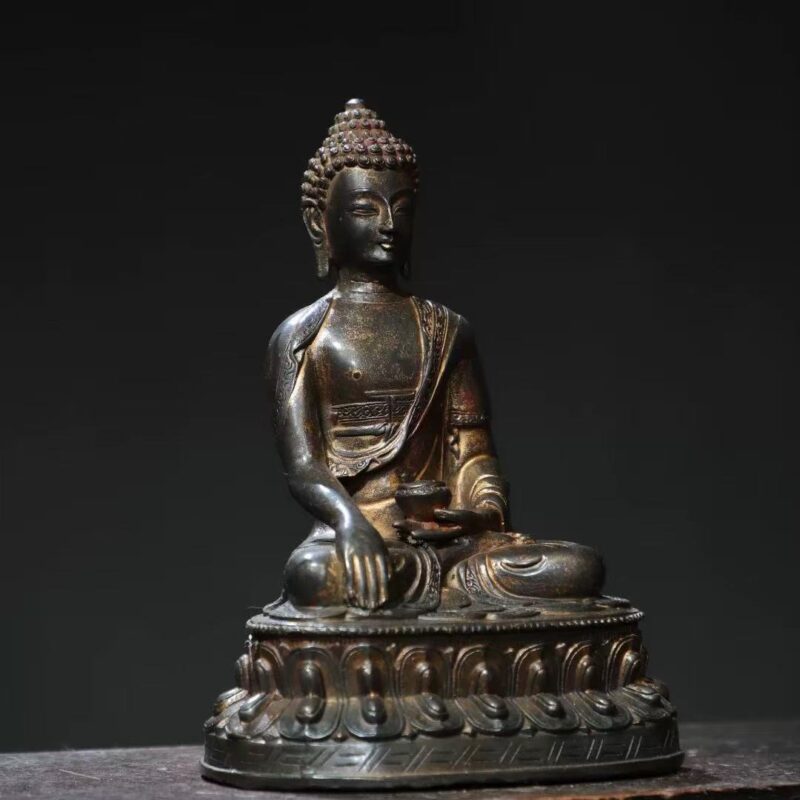
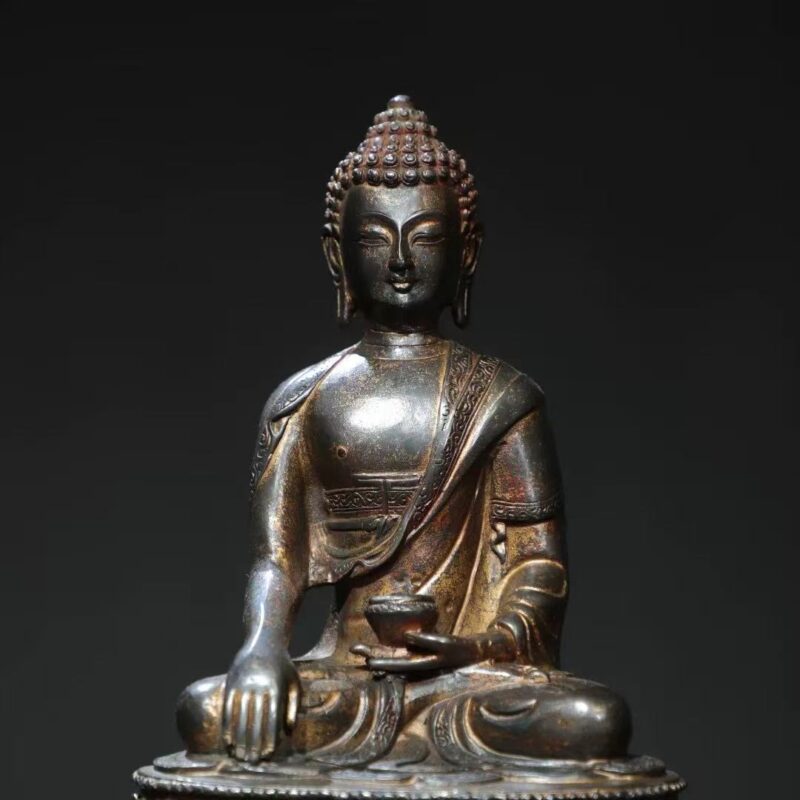
Antique Mud-Gilded Amitabha Bronze Sculpture
Original price was: $299.00.$219.00Current price is: $219.00.statue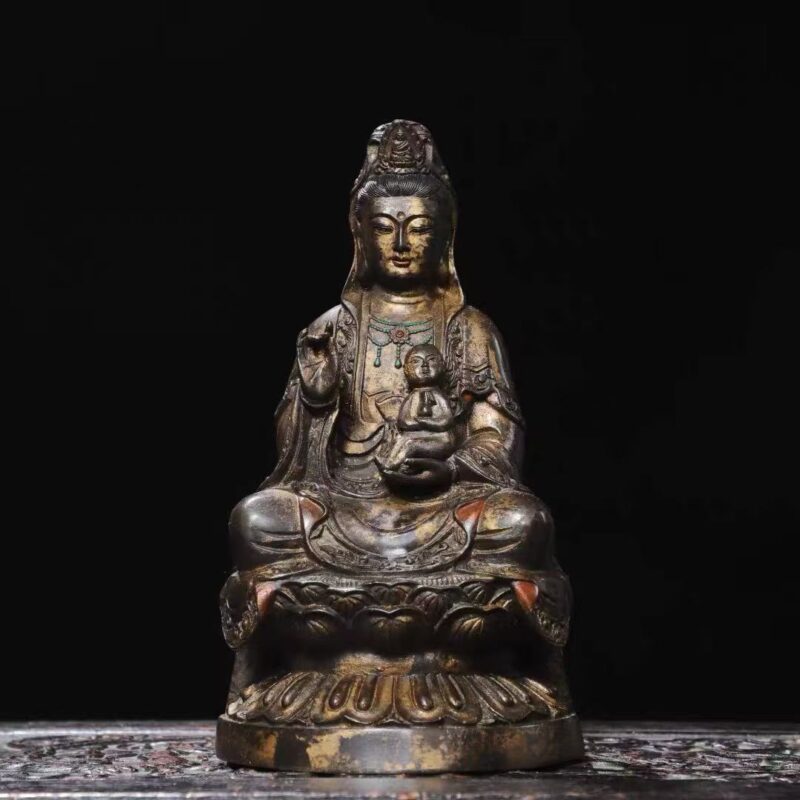
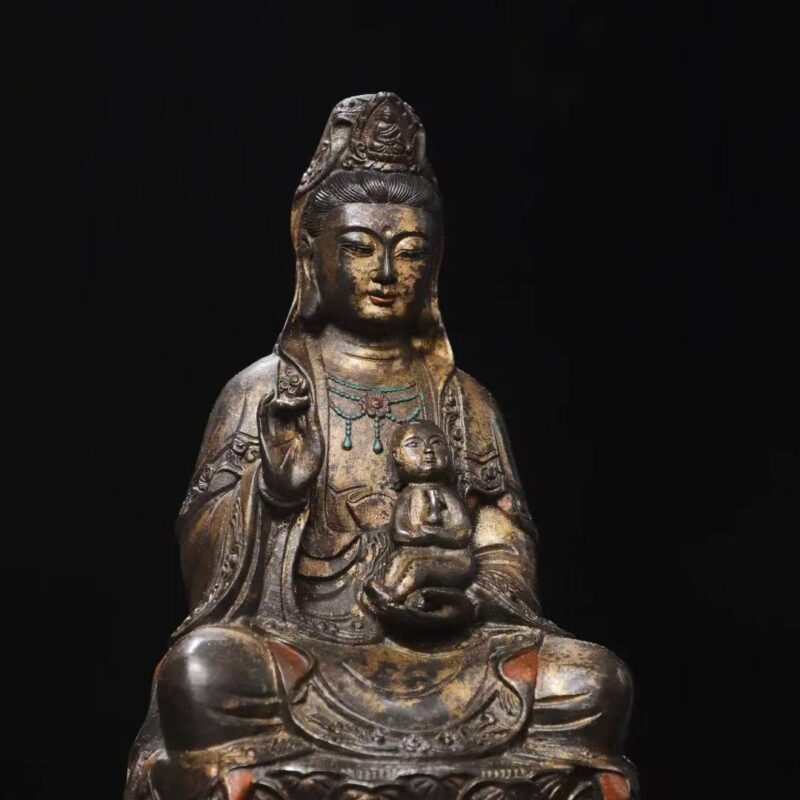
Antique Patina Partial Gilt Bronze Child-Bestowing Kwan-yin (Guanyin) Sculpture
Original price was: $299.00.$239.00Current price is: $239.00.statue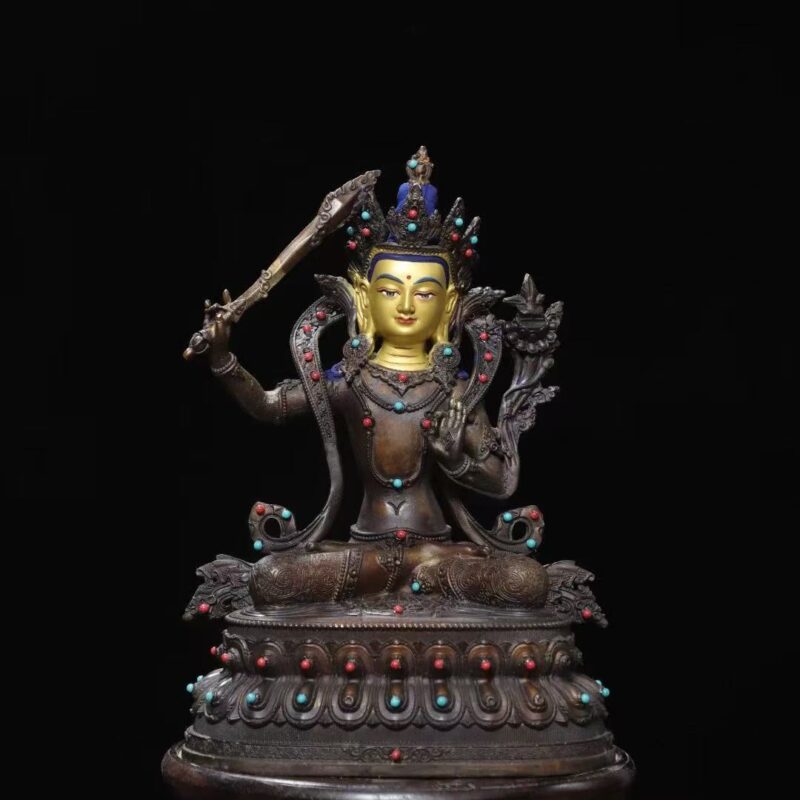
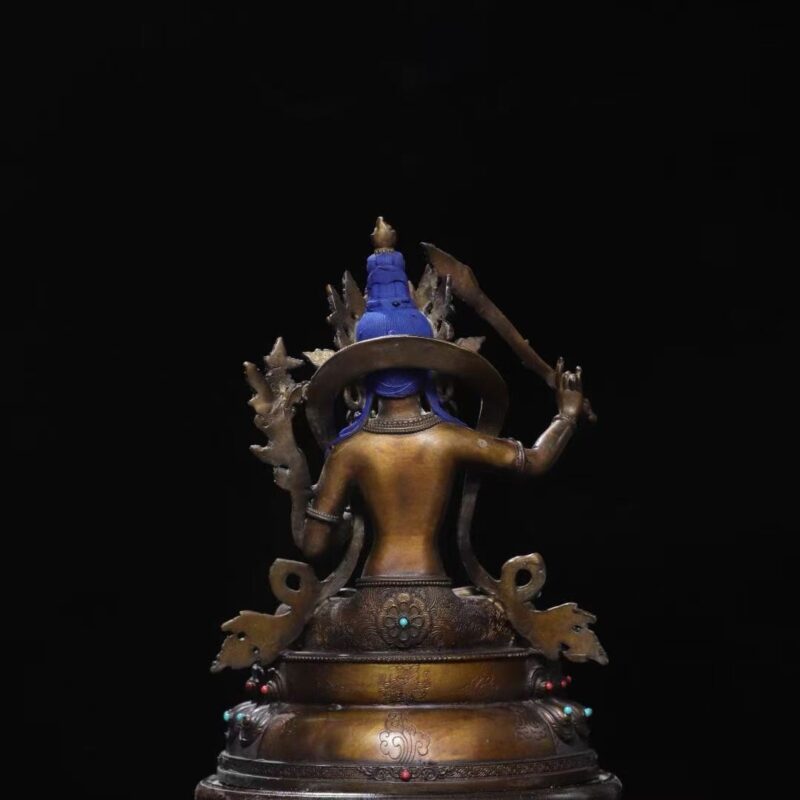
Antique Patinated Bronze Gilt Manjushri/Manjusri Icon with Polychrome Painting, Tibetan Esoteric Style
Buddha statue, Handicrafts with Himalayan, Buddhist and Taoist Features of China, Best Sellers, New Arrivals
Original price was: $339.00.$259.00Current price is: $259.00.statue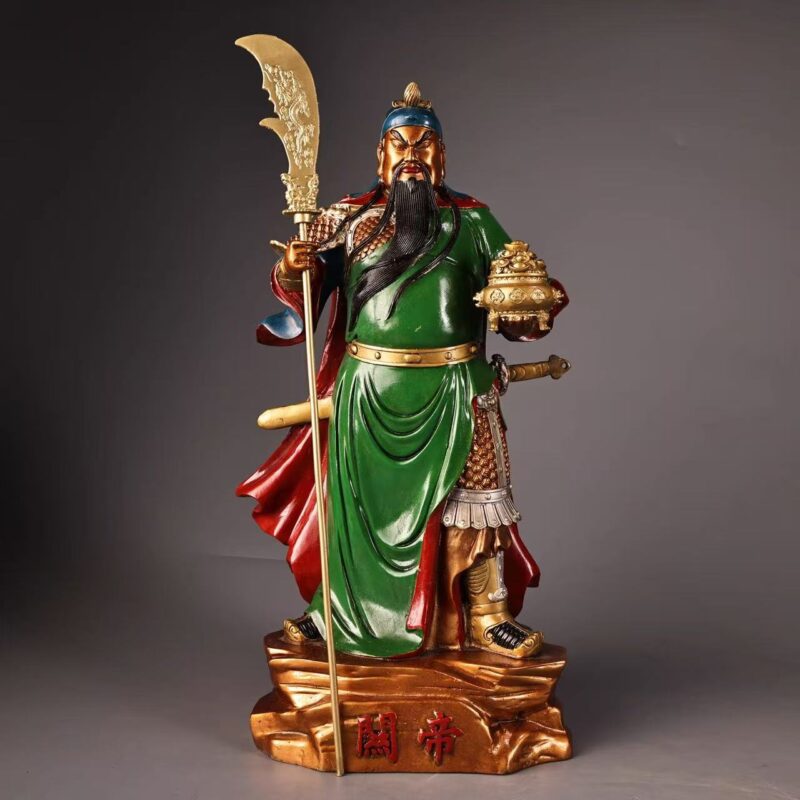
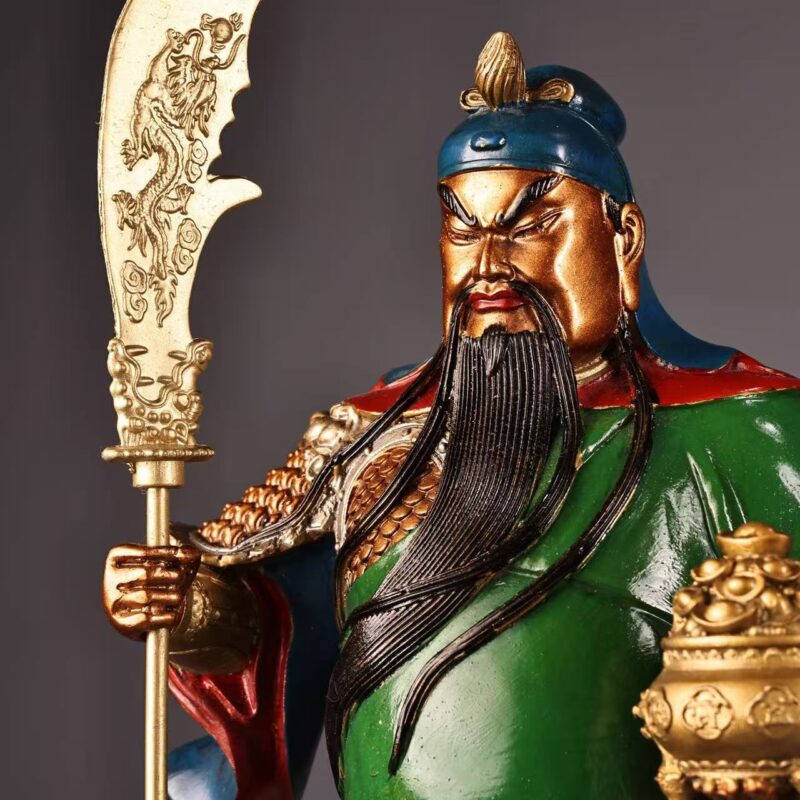
Antique Patinated Bronze Painted Standing Emperor Guan Statue with Treasure Basin & Vertical Blade, Kalan Bodhisattva Wealth God Enshrinement Collectible Ornament
Fengshui ornament, Handicrafts with Himalayan, Buddhist and Taoist Features of China, Best Sellers, New Arrivals
Original price was: $559.00.$409.00Current price is: $409.00.statue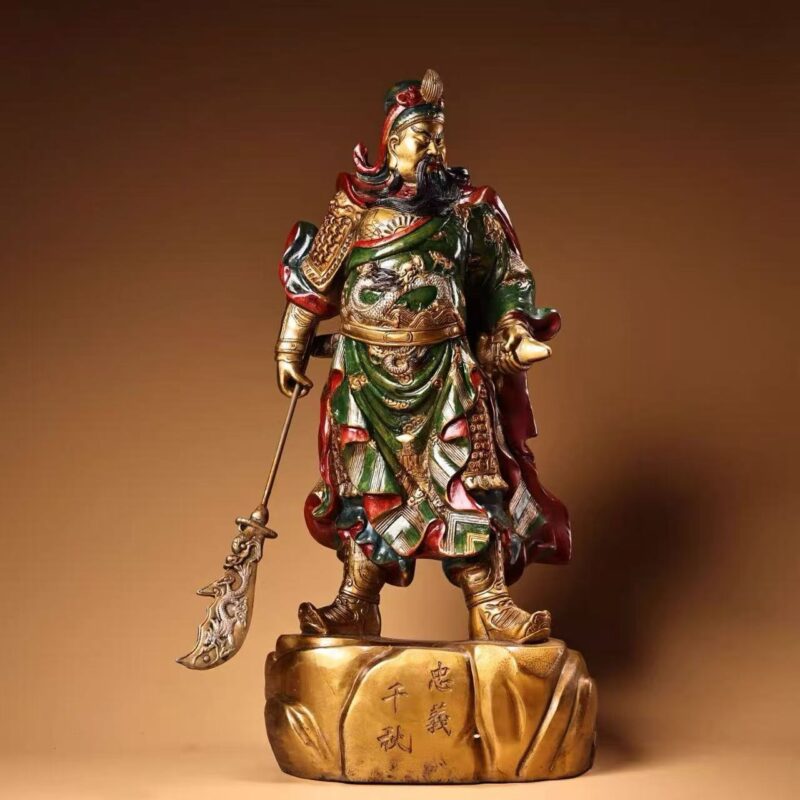
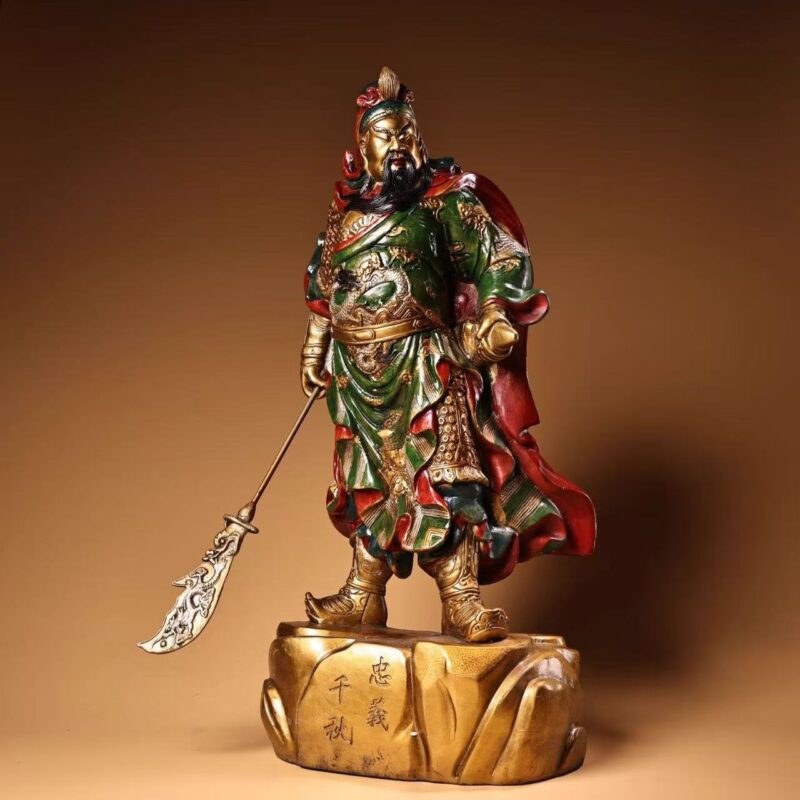
Antique Polychrome Bronze Slanted Blade Lord Guan Statue Inscribed Loyalty & Righteousness Through Eternity, Reverse Marked ‘Donated in Yongle Reign of Ming Dynasty’, Kalan Bodhisattva Enshrinement Sculpture
Fengshui ornament, Handicrafts with Himalayan, Buddhist and Taoist Features of China, Best Sellers, New Arrivals
Original price was: $599.00.$419.00Current price is: $419.00.statue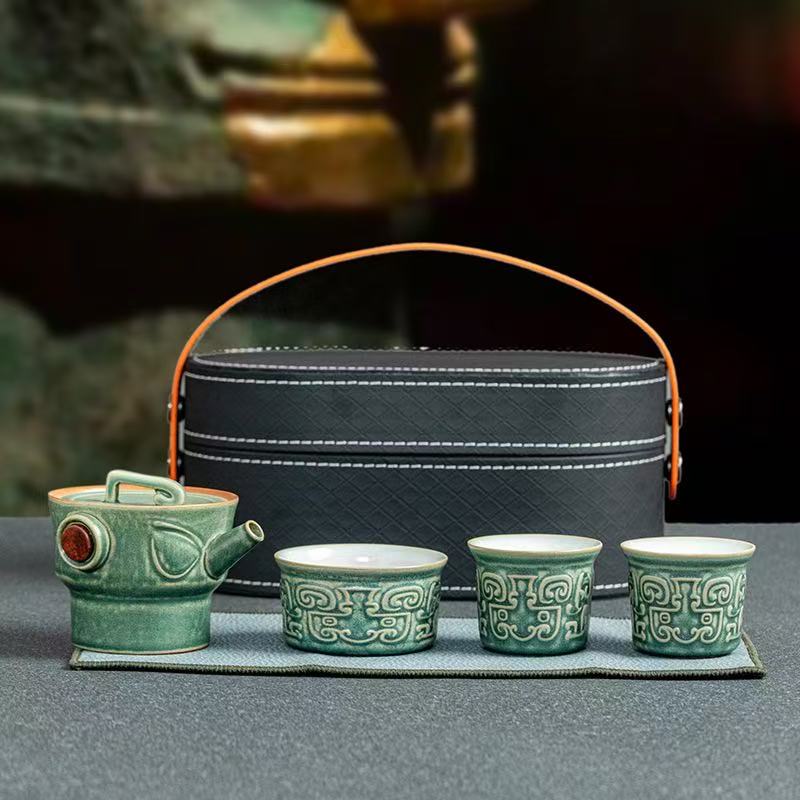
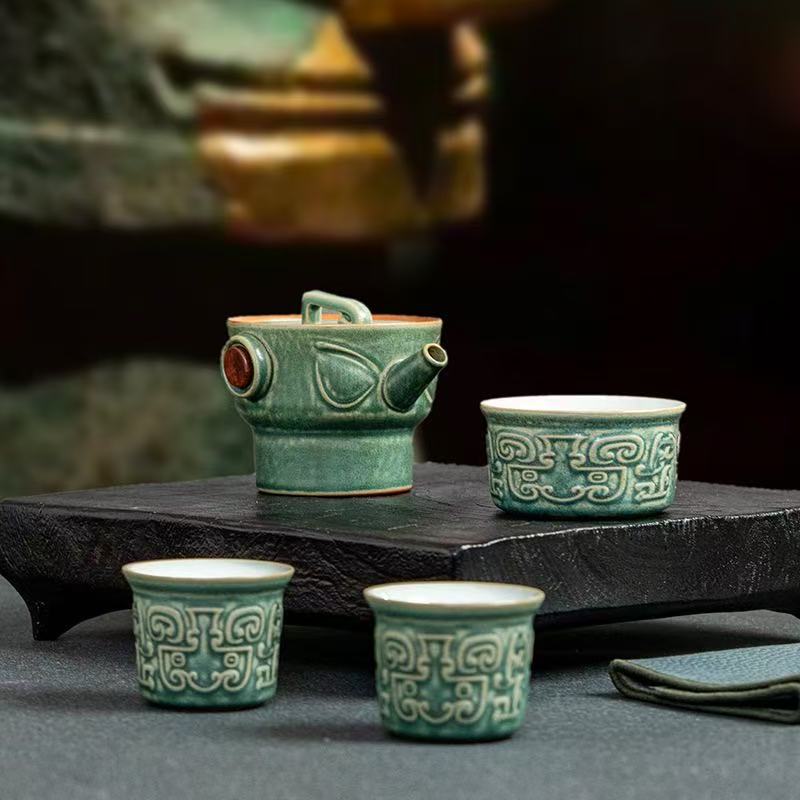
Antique-Style Celadon Cup Set with “Sanxingdui” Motifs
Original price was: $129.00.$89.00Current price is: $89.00.kit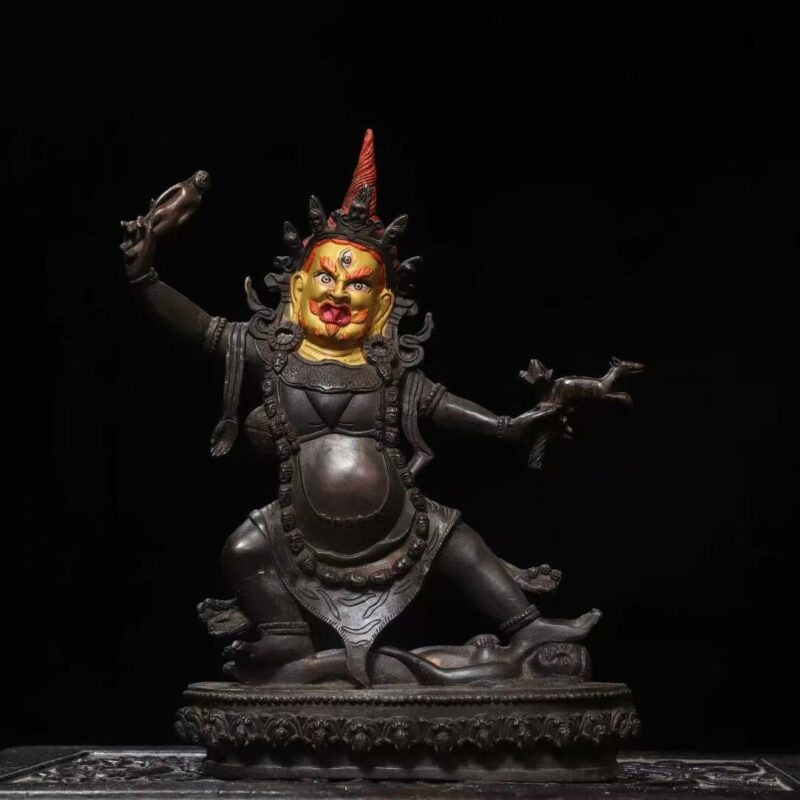
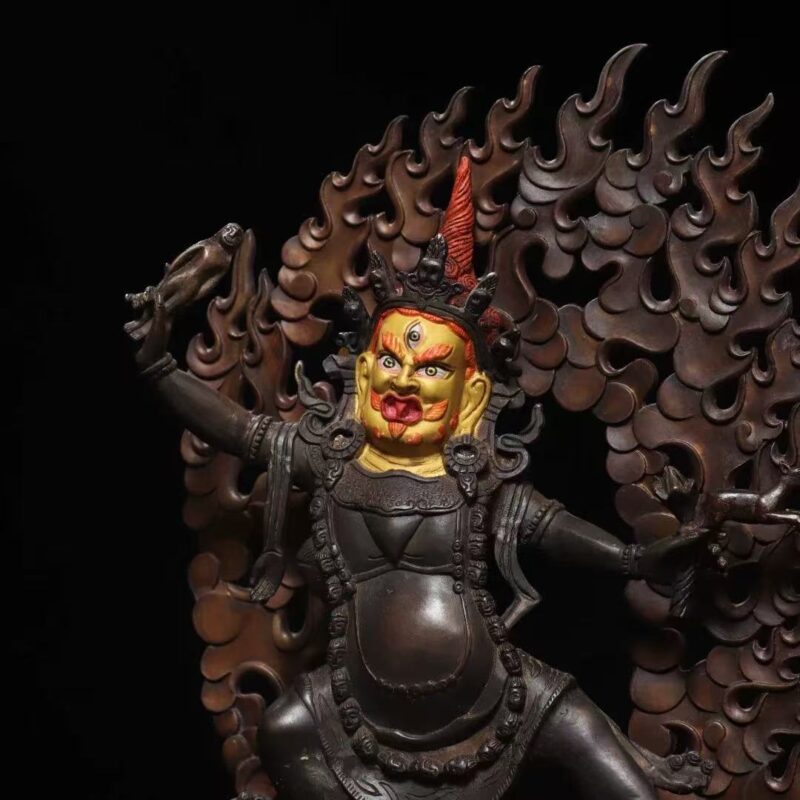
Antique-Style Gold-Gilded Bronze Vajrapani Bodhisattva with Flaming Halo
Original price was: $359.00.$279.00Current price is: $279.00.statue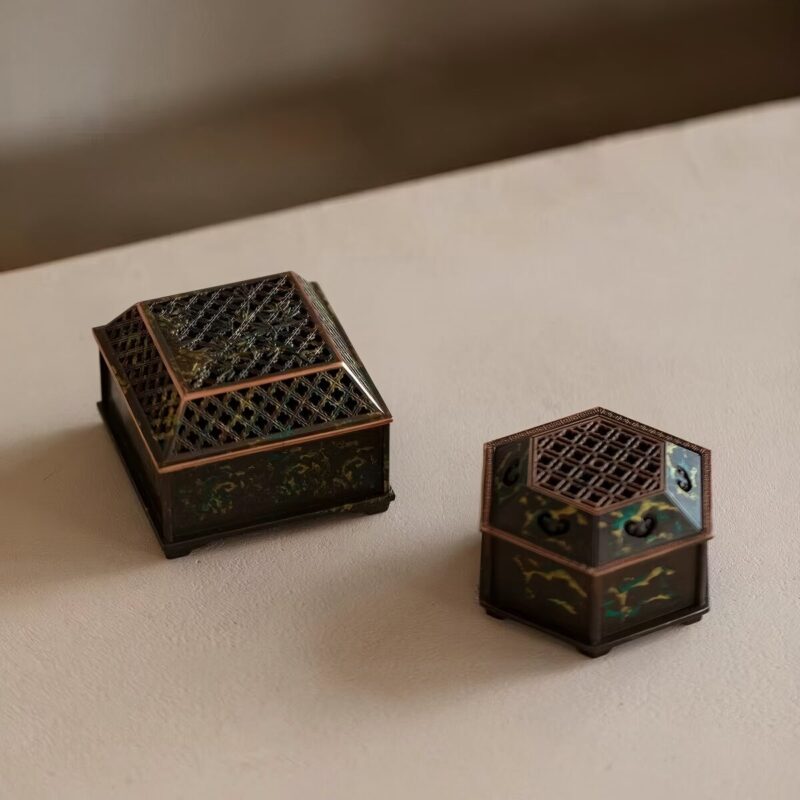
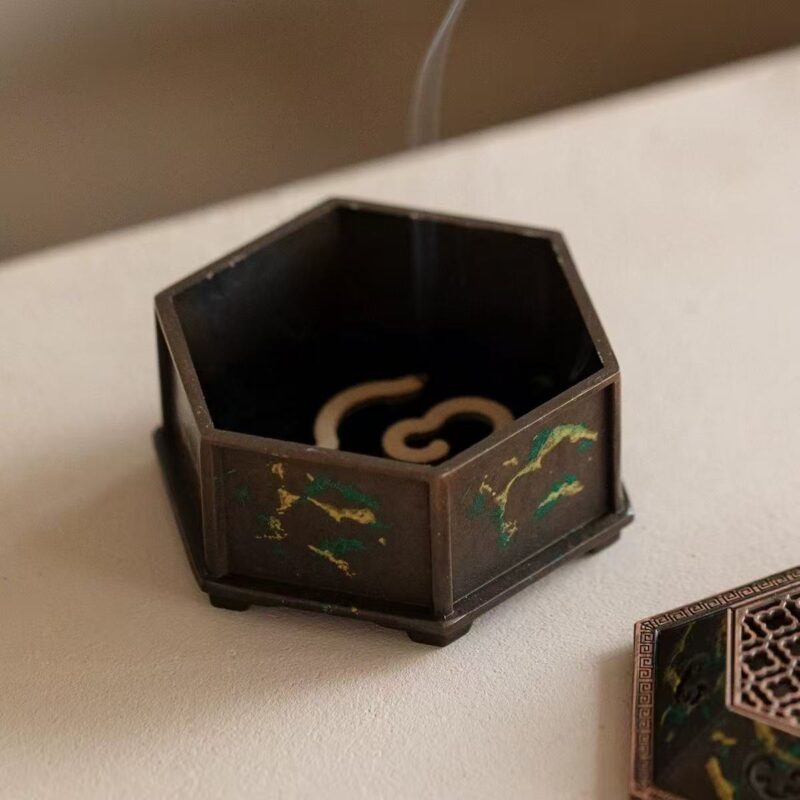
Antique-Style Hexagonal Incense Censer with Ruyi Motif & Square Censer with Bamboo Forest Motif
Price range: $49.00 through $79.00piece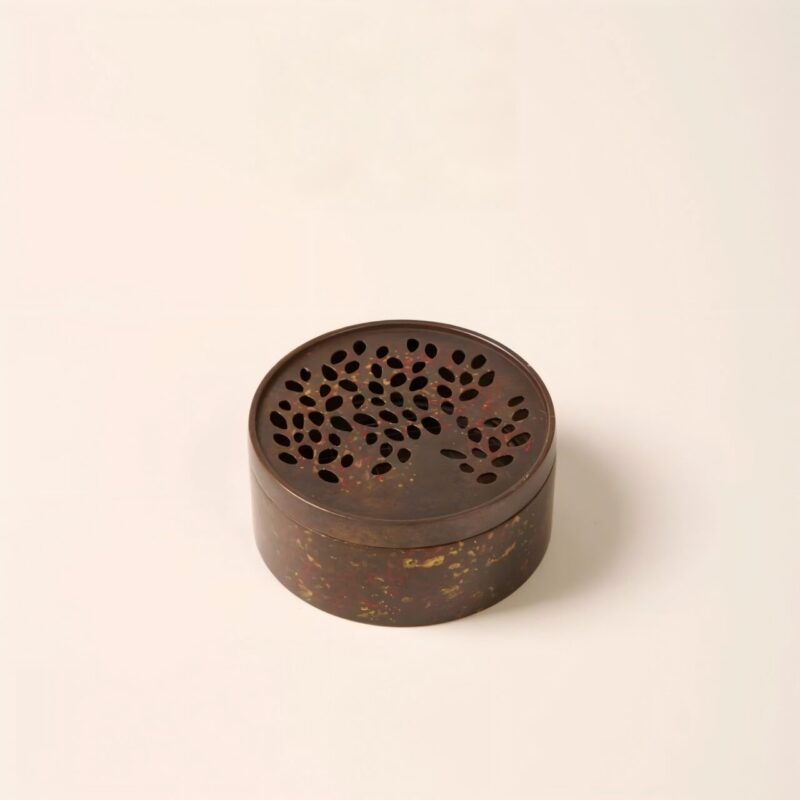
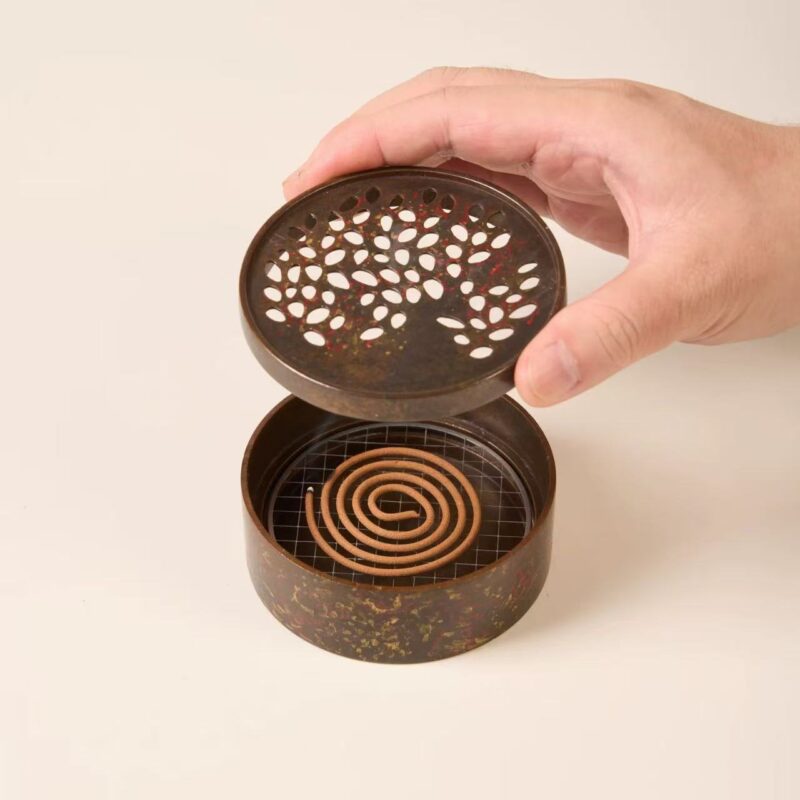
Archaic Bronze Tone Round Alloy Censer with Gold-Splashed, Painted Detailing & Pierced Leaf Lid
Original price was: $59.00.$49.00Current price is: $49.00.piece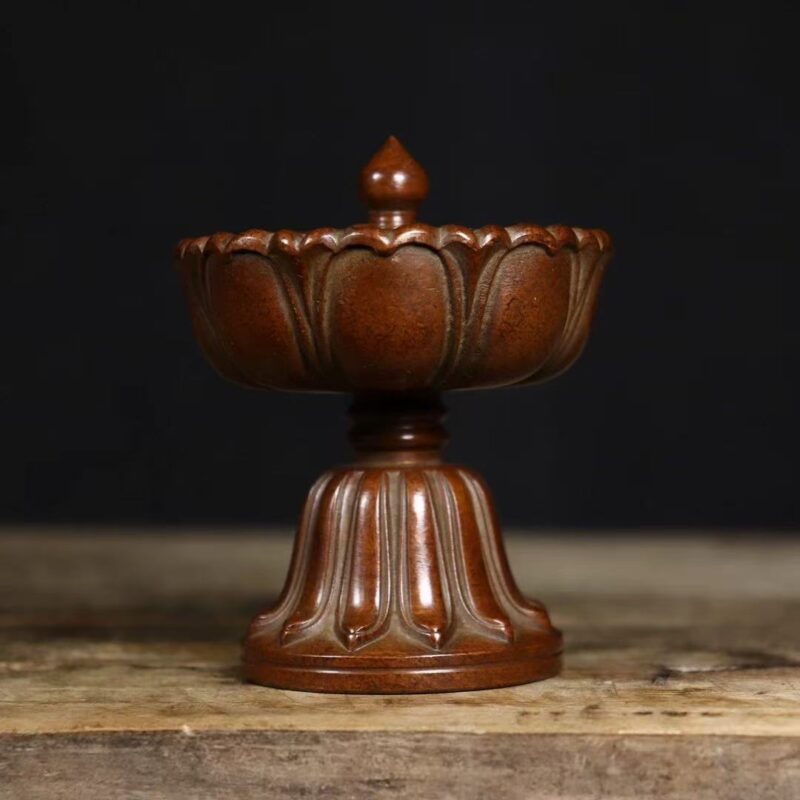
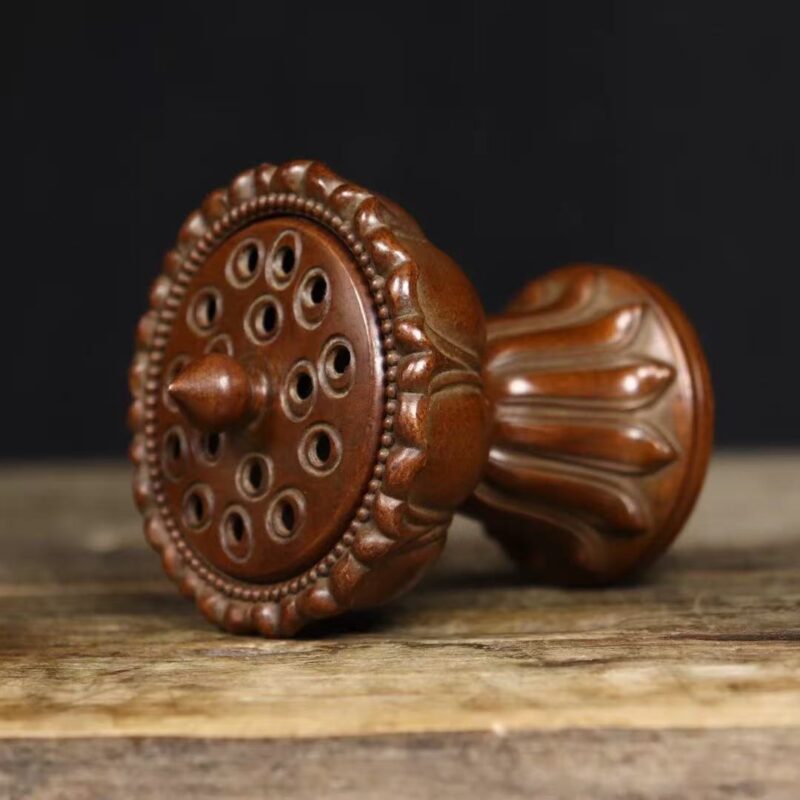
Archaistic Bronze Lotus Pagoda Form Censer
Original price was: $89.00.$69.00Current price is: $69.00.piece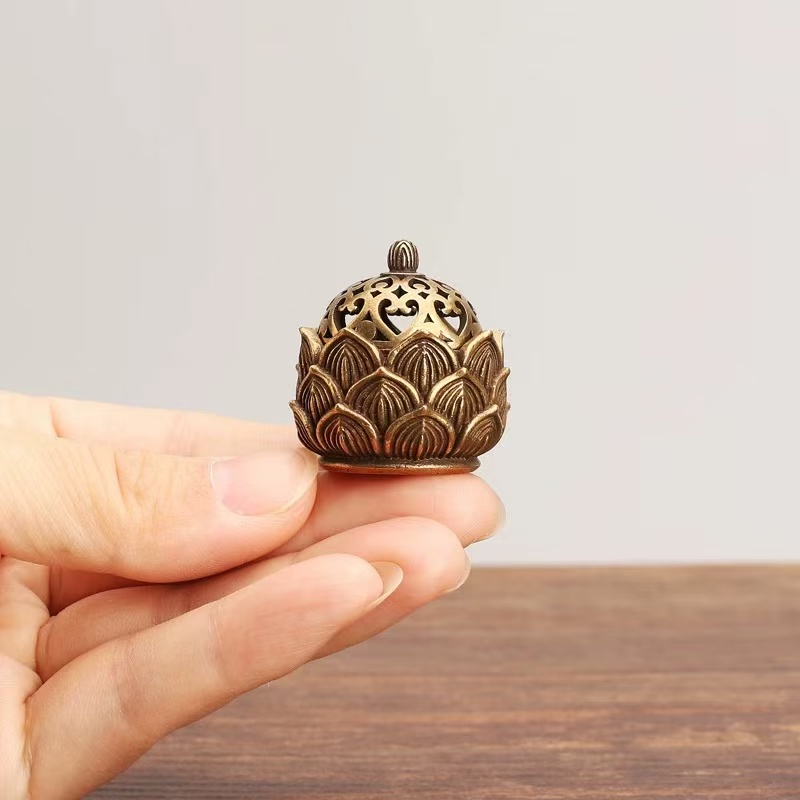
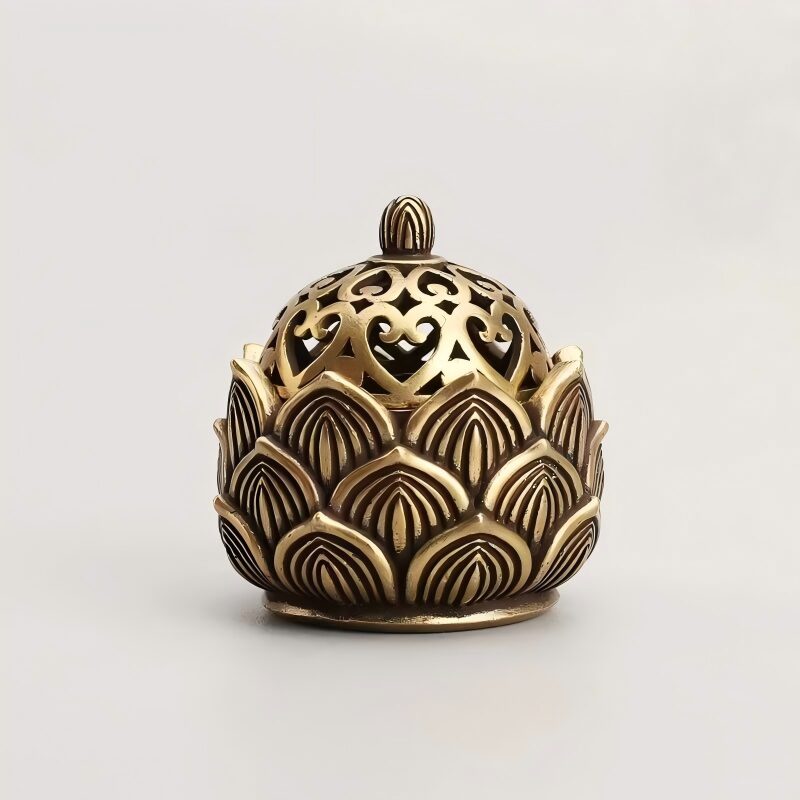
Archaistic Bronze Miniature Lotus Form Censer
Original price was: $39.00.$29.00Current price is: $29.00.piece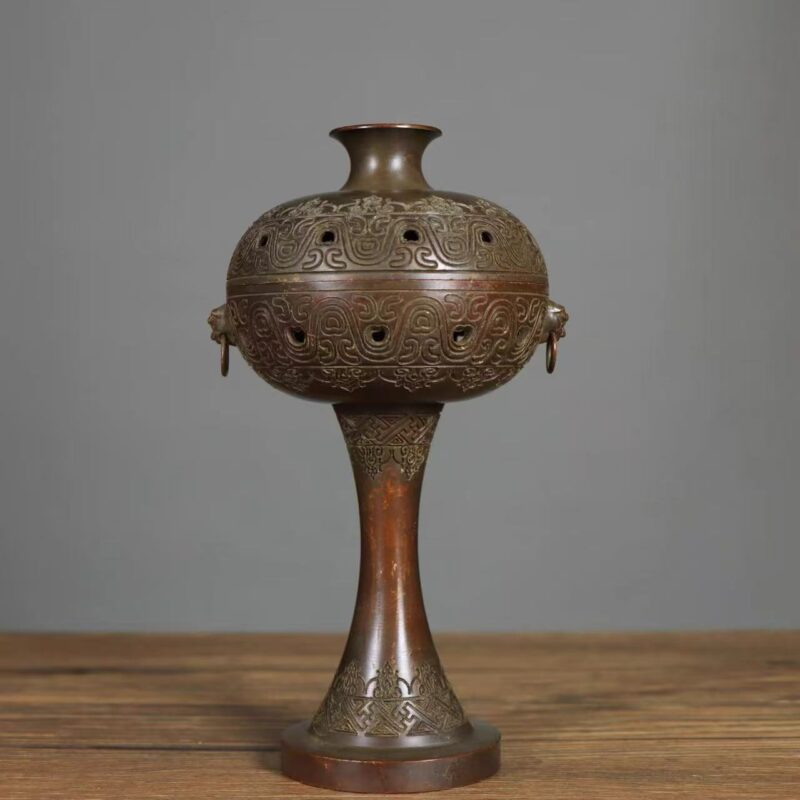
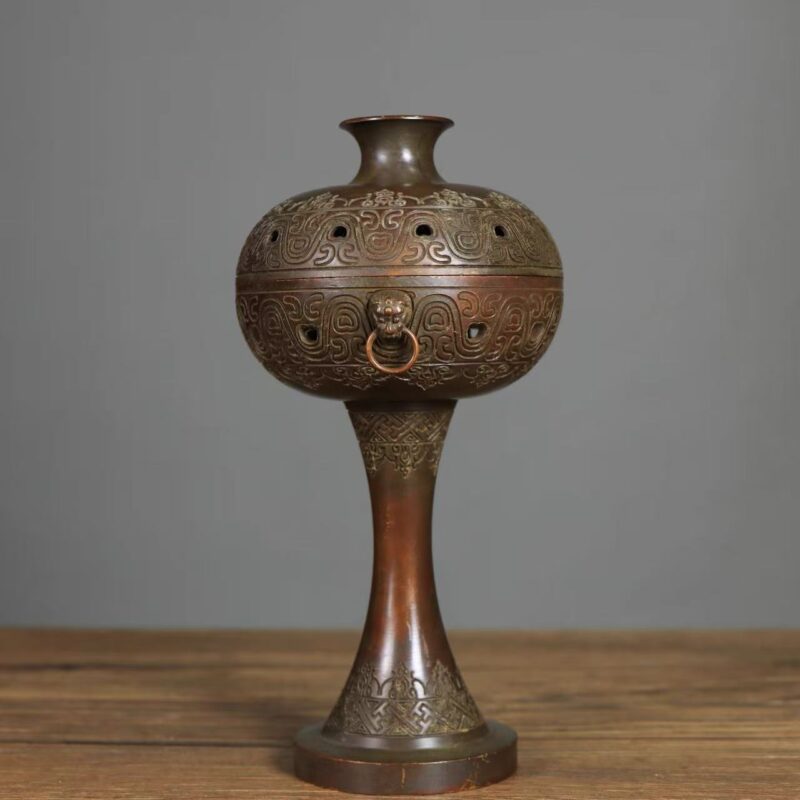
Archaistic Han Pattern Tall Stem Bronze Censer with Beast Ring Handles
Original price was: $99.00.$79.00Current price is: $79.00.piece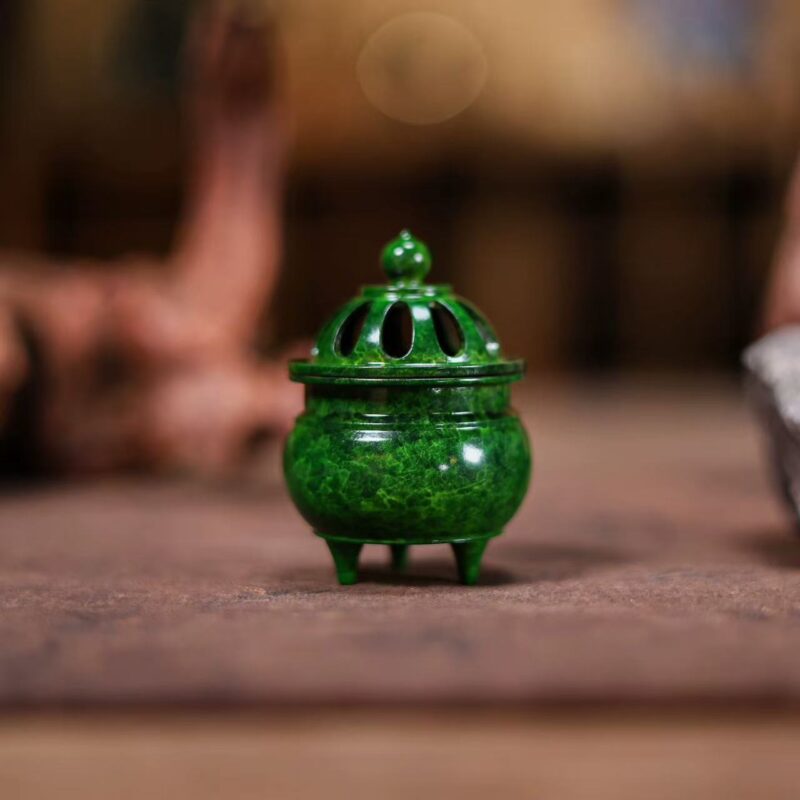
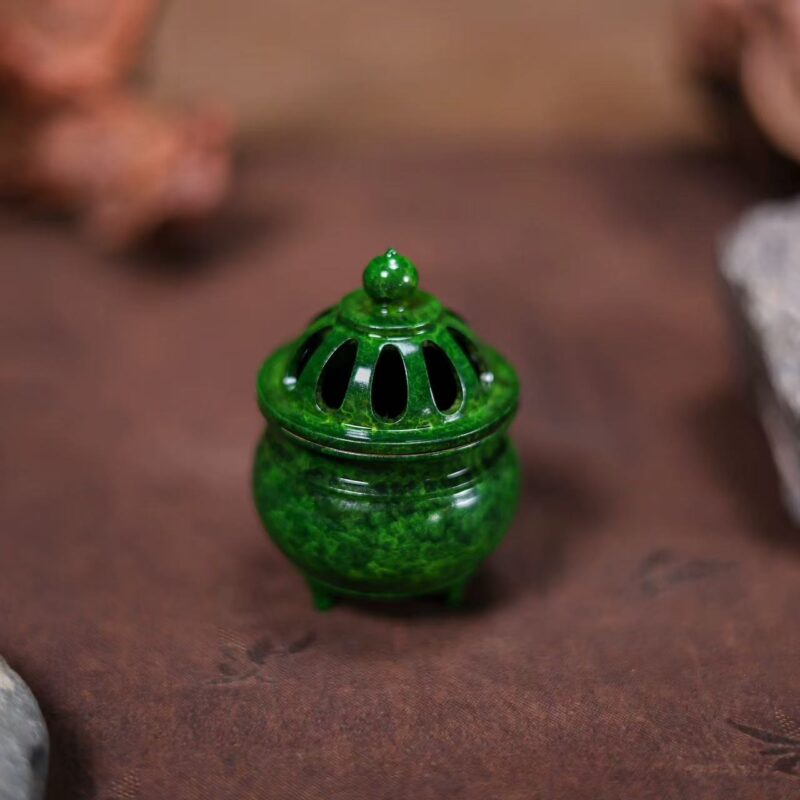
Archaistic Mini Tripod Bronze Censer (Incense burner) Adorned with Emerald‑Green Glaze
Original price was: $89.00.$49.00Current price is: $49.00.vessel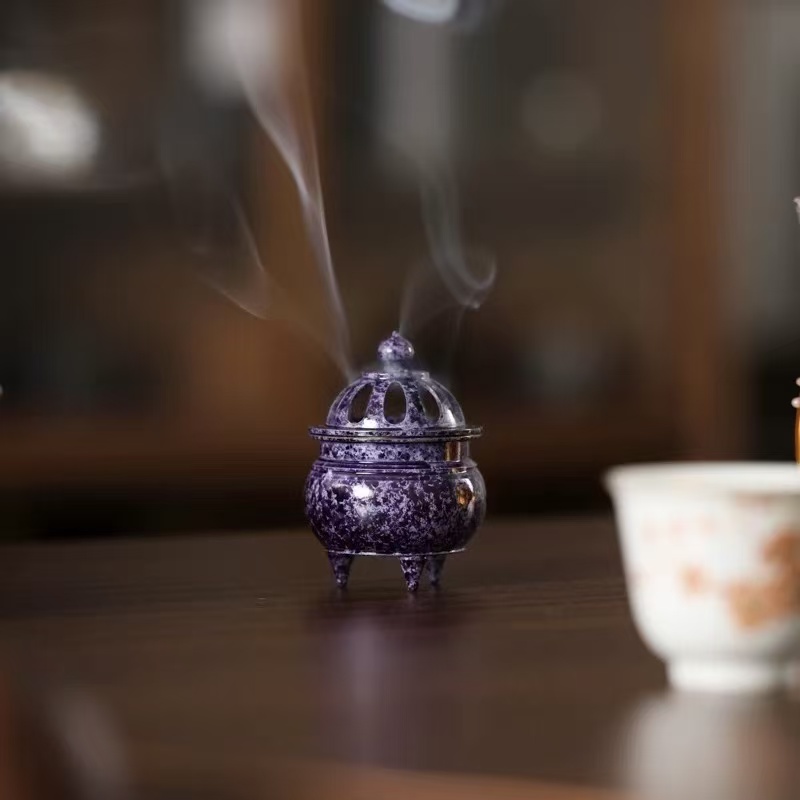
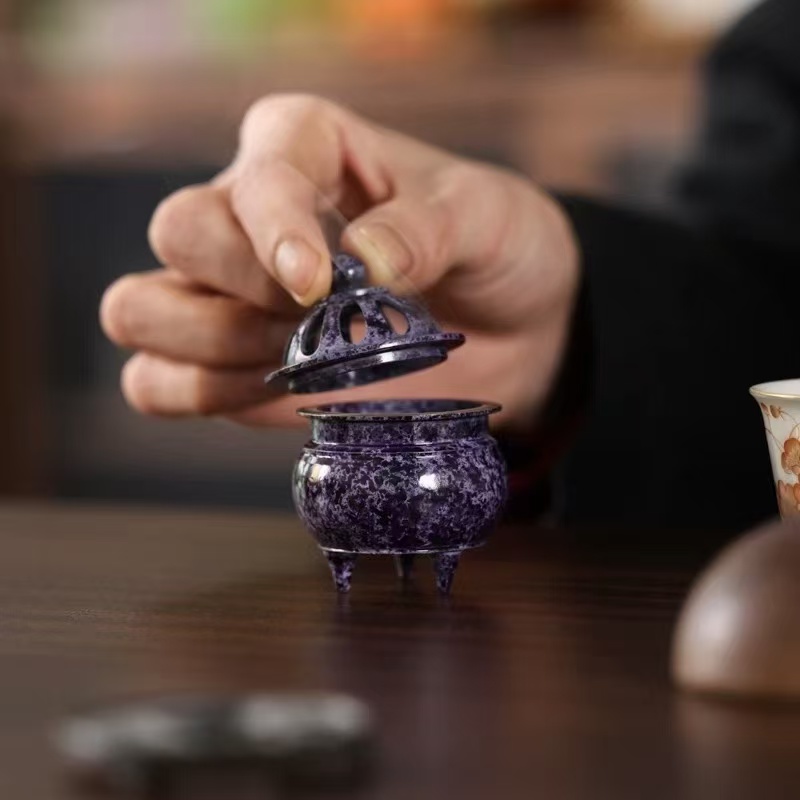
Archaistic Mini Tripod Bronze Censer with Vintage Violet Glaze, Inscribed with the Five Blessings at the Base
Original price was: $89.00.$49.00Current price is: $49.00.1 vessel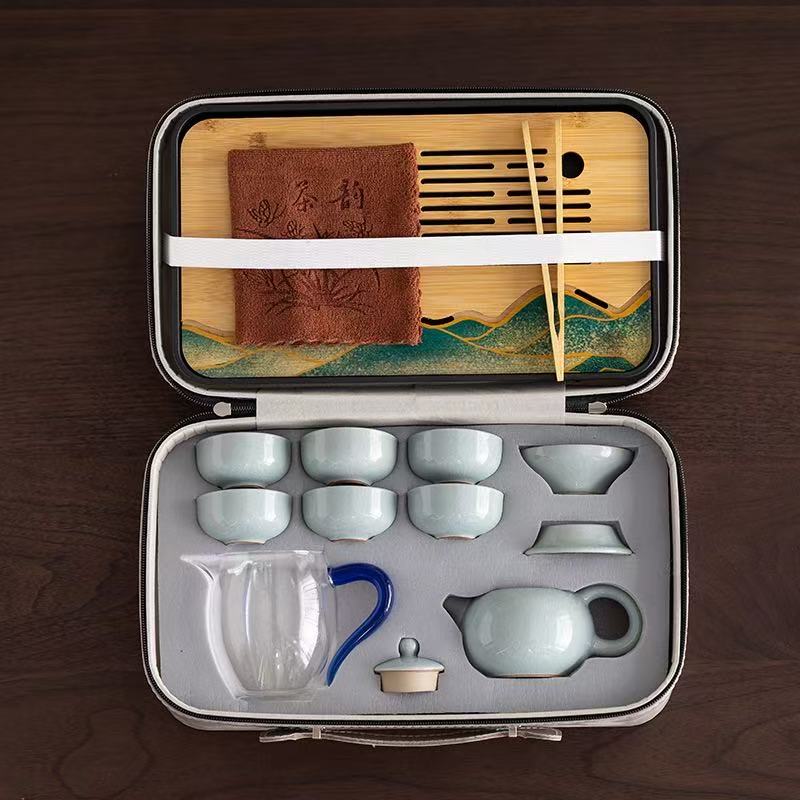
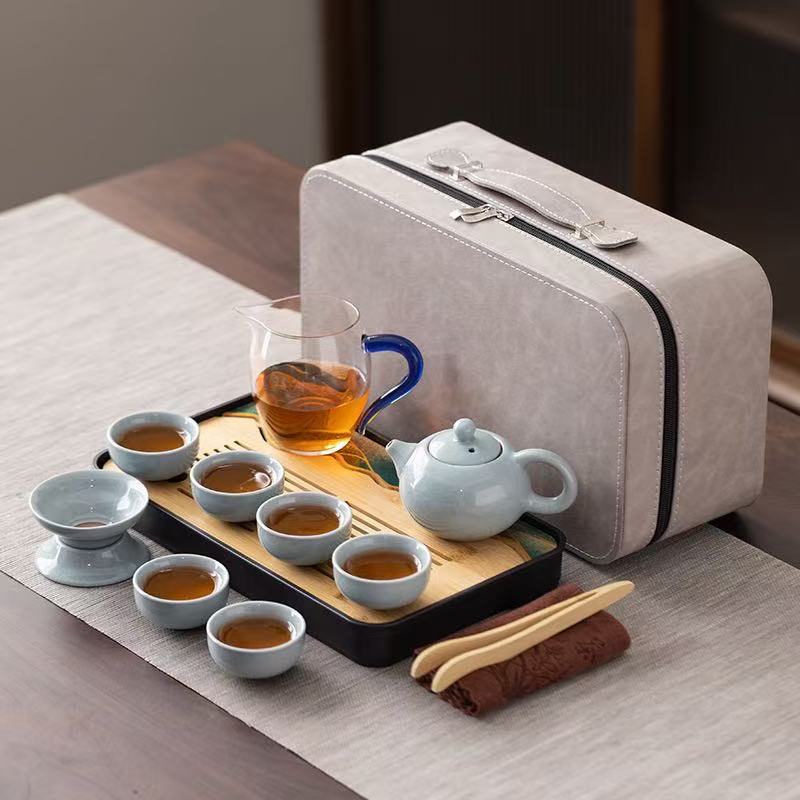
Archaistic Ru-Style Grey-Blue Glaze Portable Kung Fu Tea Set
Celadon & White Porcelain, Teas & Teawares, The Five Great Wares of the Song Dynasty (Ru, Guan, Ge, Jun, Ding), Best Sellers, New Arrivals
Original price was: $129.00.$89.00Current price is: $89.00.kit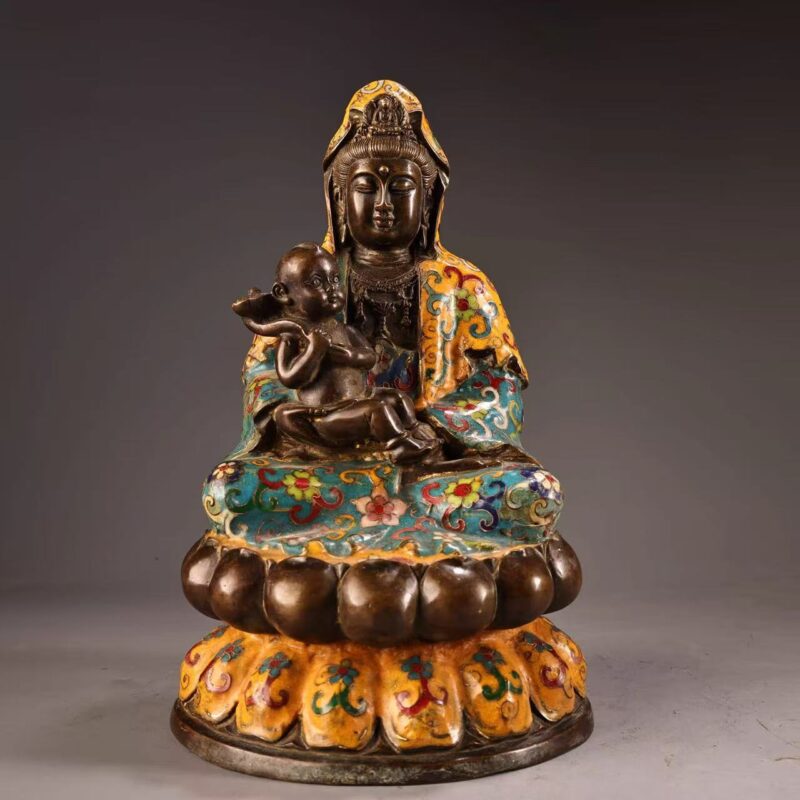
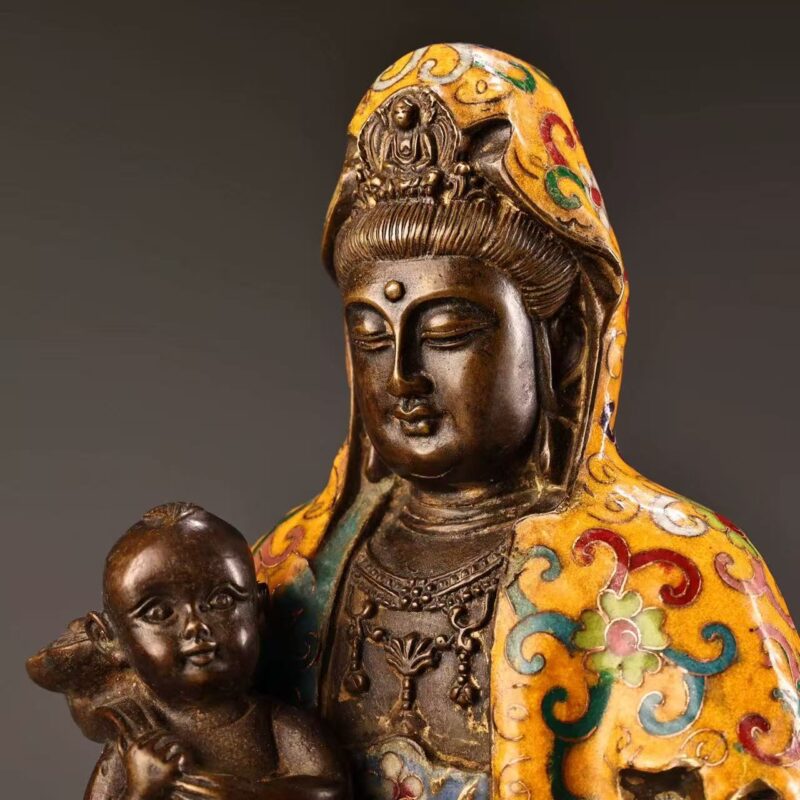
Avalokiteśvara Bodhisattva, Child-Giving Guanyin (Kwan-yin) with Cloisonné Enamel Decoration, Seated on Double-Tiered Lotus Pedestal
Original price was: $499.00.$399.00Current price is: $399.00.statue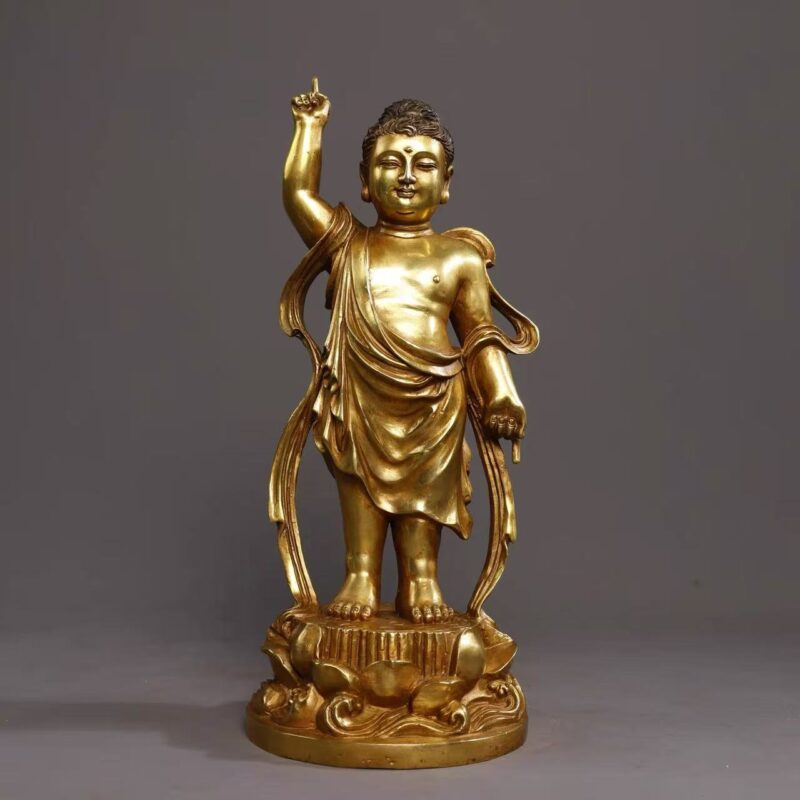
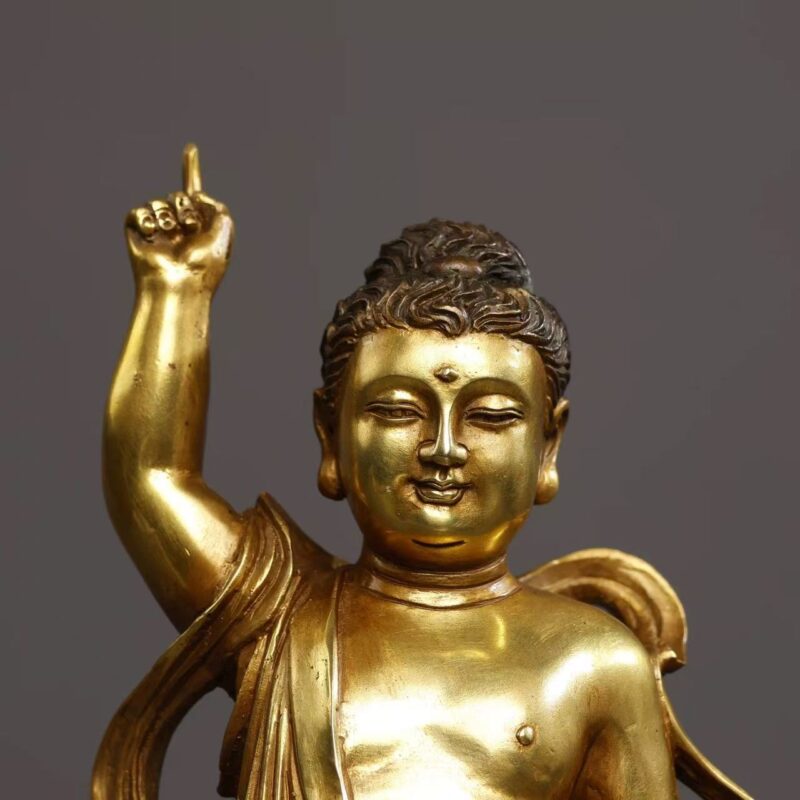
Birth Buddha Statue of Prince Siddhartha with One Finger Pointing to Heaven and One to Earth
Buddha statue, Handicrafts with Himalayan, Buddhist and Taoist Features of China, Best Sellers, New Arrivals
Original price was: $399.00.$299.00Current price is: $299.00.statue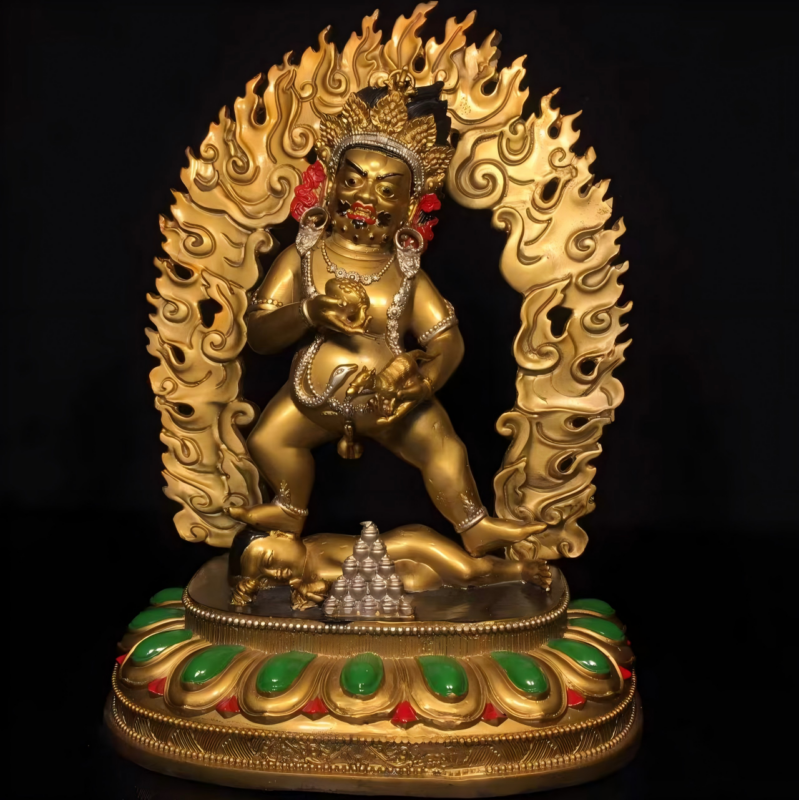
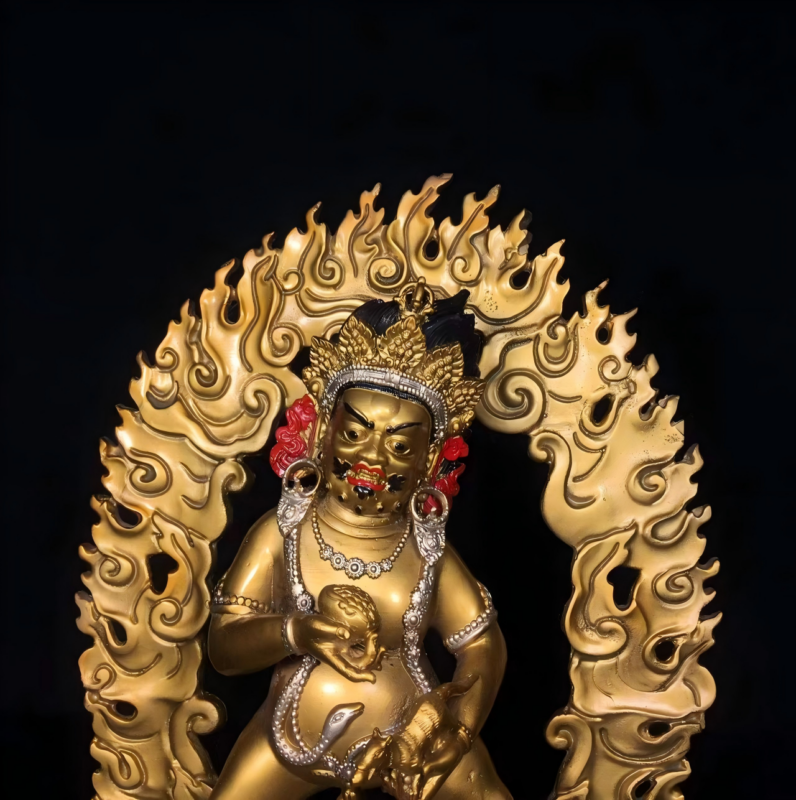
Black Jambhala, One of the Five Wealth Deities, Tibetan Style Prosperity Statue
Buddha statue, Handicrafts with Himalayan, Buddhist and Taoist Features of China, Best Sellers, New Arrivals
Original price was: $439.00.$329.00Current price is: $329.00.statue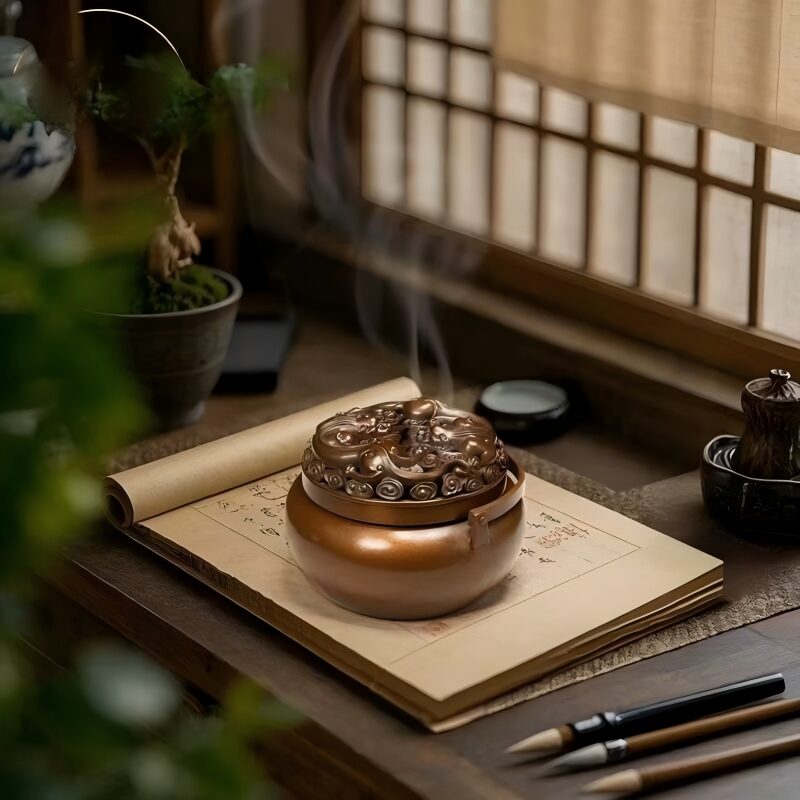
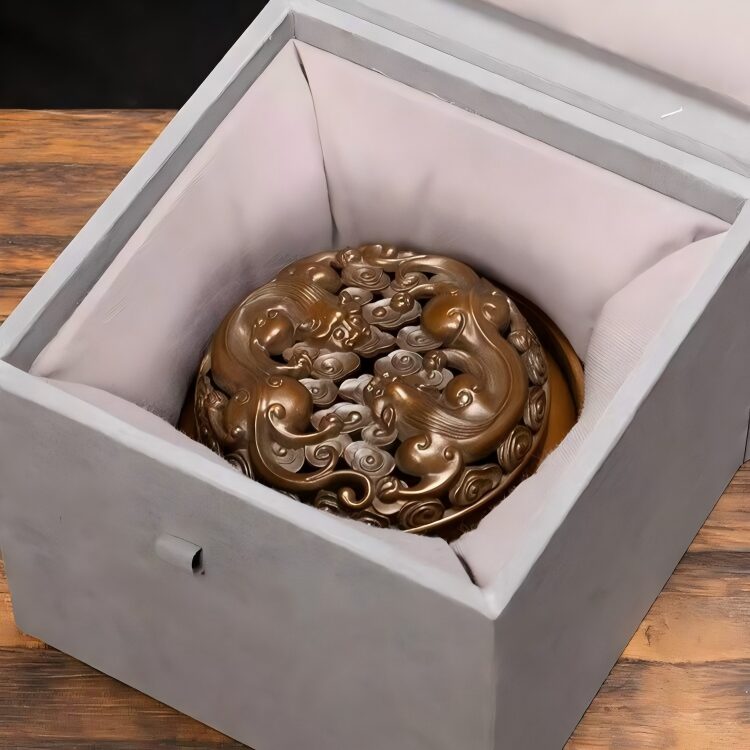
Bronze Censer with Double Chilong and Auspicious Cloud Motifs, Featuring an Arched Handle and Domed Cover
Original price was: $429.00.$349.00Current price is: $349.00.piece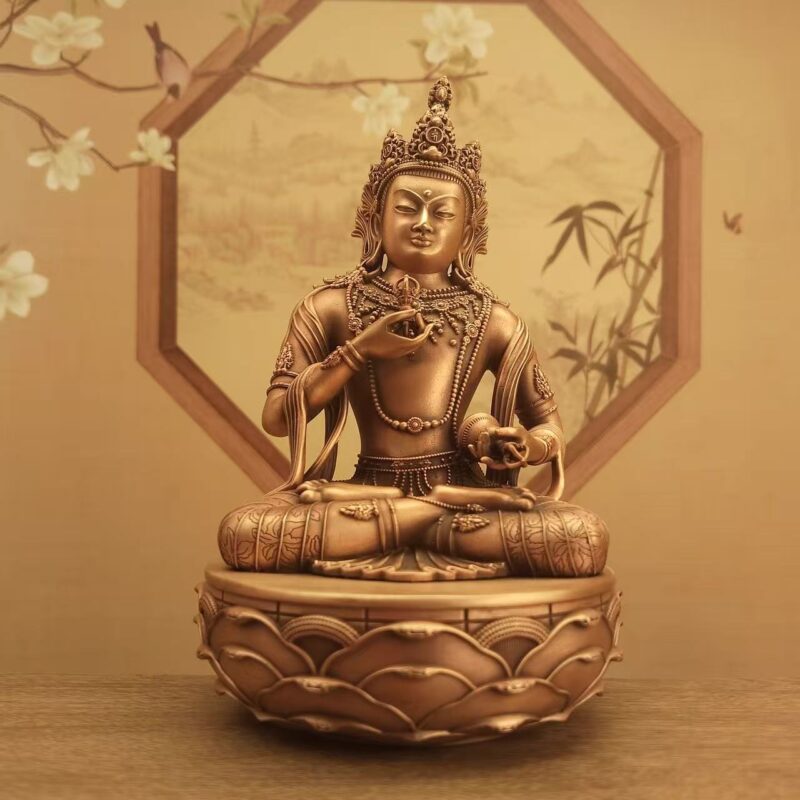
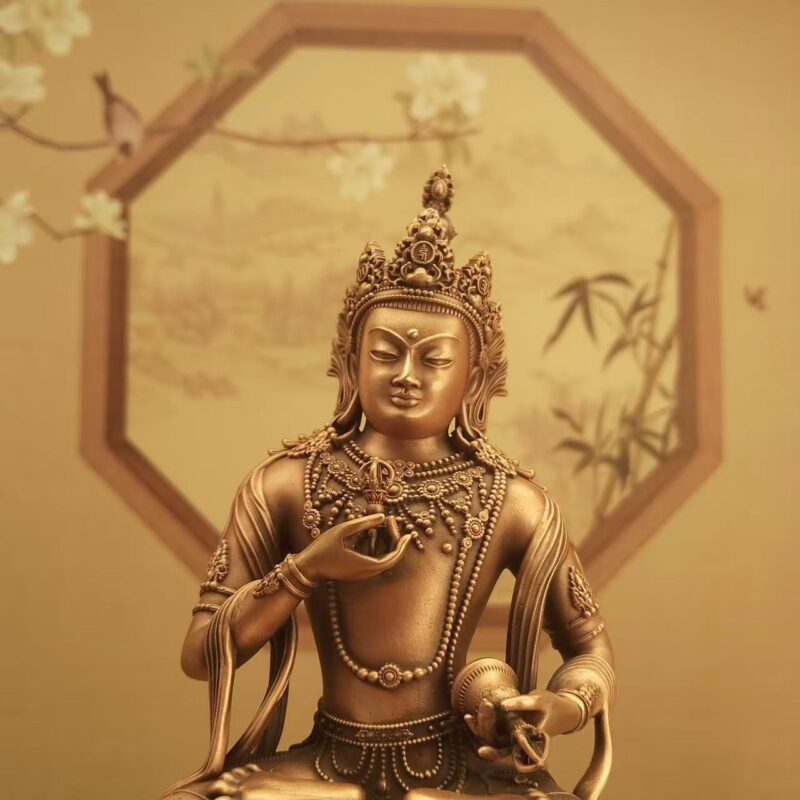
Bronze Seated Vajrasattva Statue in Authentic Zanabazar Style, Holding Vajra & Bell on Double Upturned Lotus Base
Buddha statue, Handicrafts with Himalayan, Buddhist and Taoist Features of China, Best Sellers, New Arrivals
Original price was: $259.00.$199.00Current price is: $199.00.statue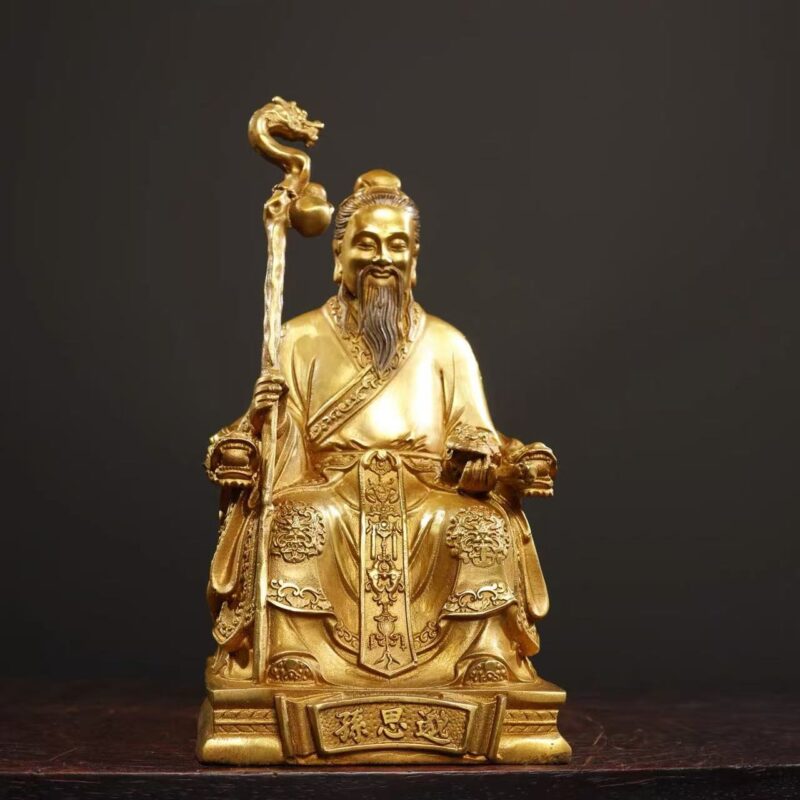
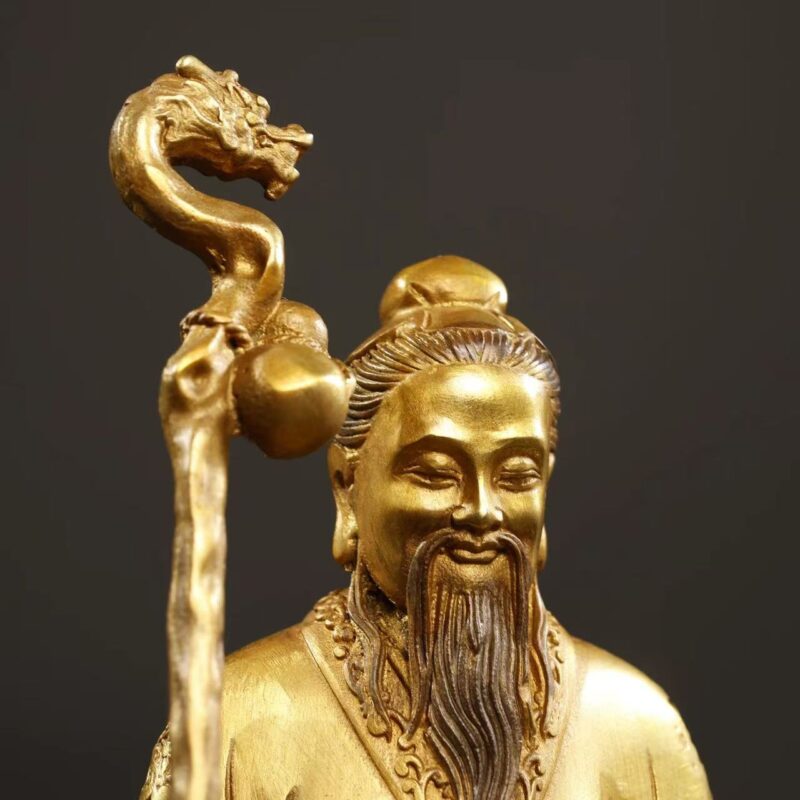
Bronze Statue of Sun Simiao King of Medicine, Heavenly Sovereign of Responsive Salvation, Altar Decor for Pharmacy, Family Blessings & Taoist Temple
Fengshui ornament, Handicrafts with Himalayan, Buddhist and Taoist Features of China, New Arrivals, Best Sellers
Original price was: $299.00.$229.00Current price is: $229.00.statue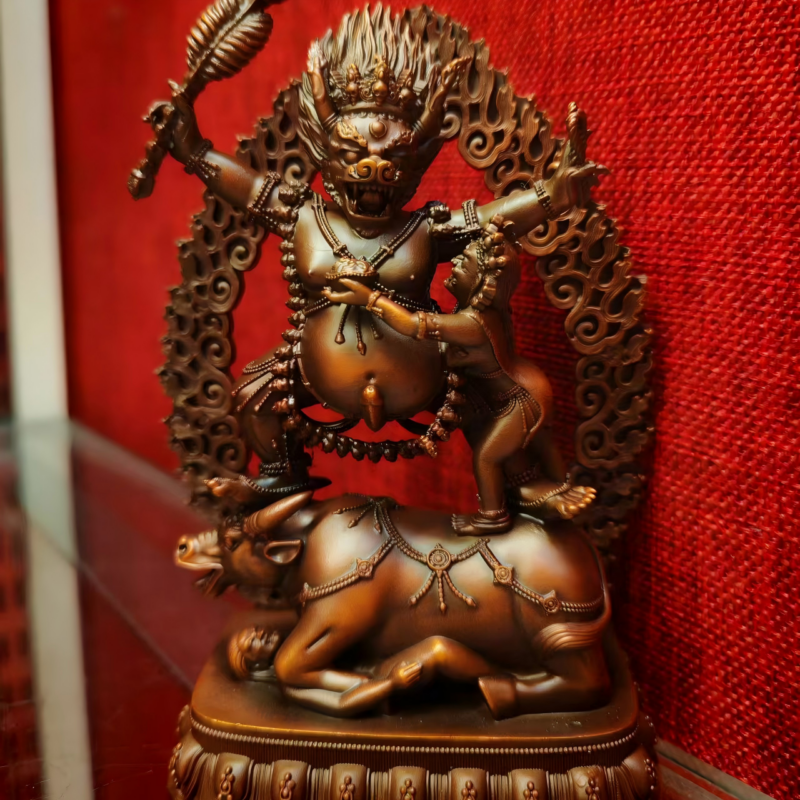
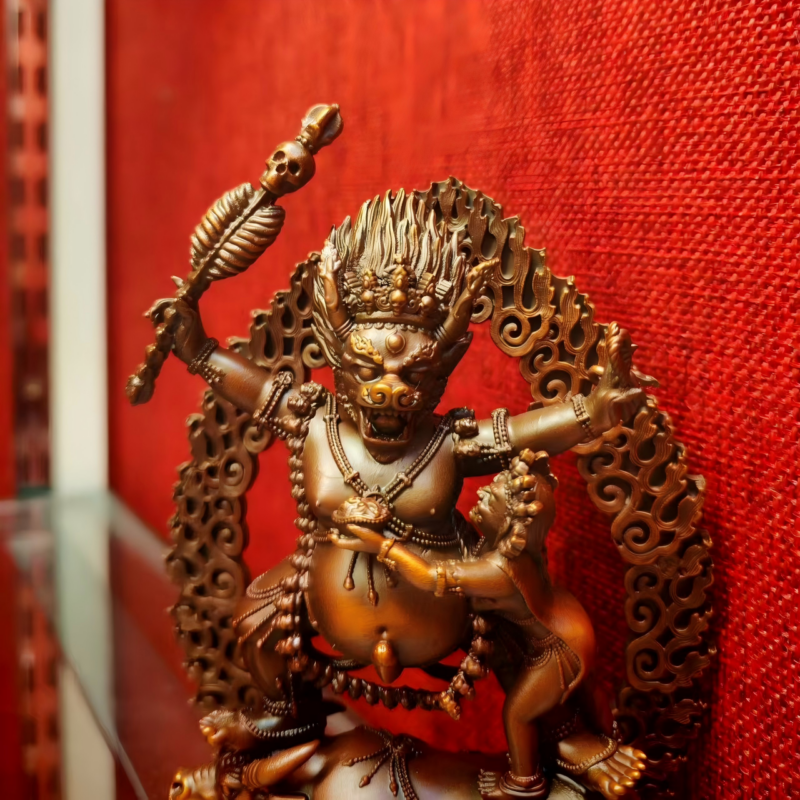
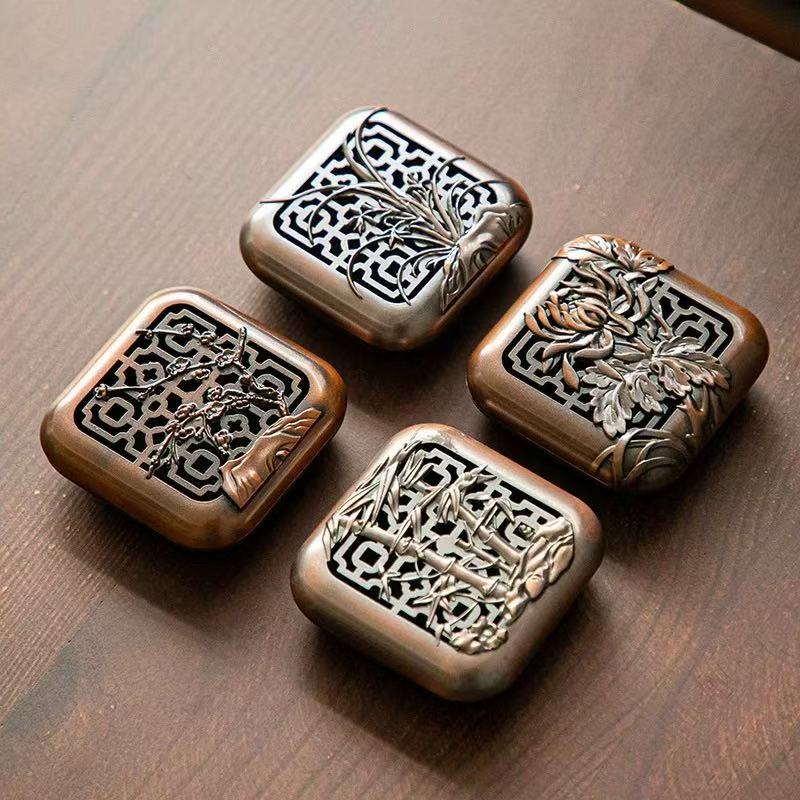
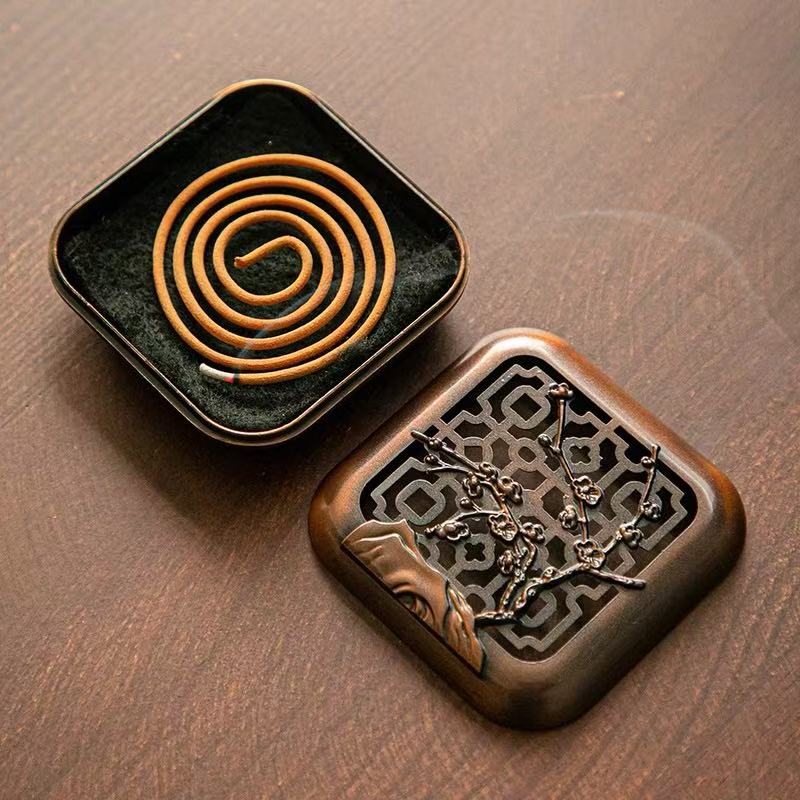
Censer/Incense burner Decorated with The 4 Gentlemen (Plum, Orchid, Bamboo and Chrysanthemum)
Original price was: $69.00.$49.00Current price is: $49.00.piece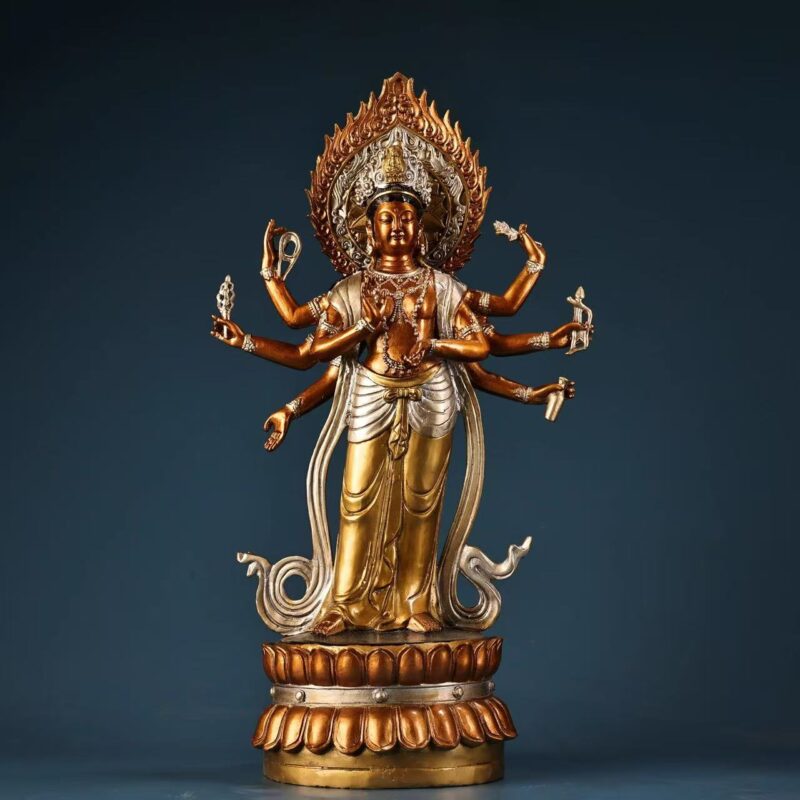
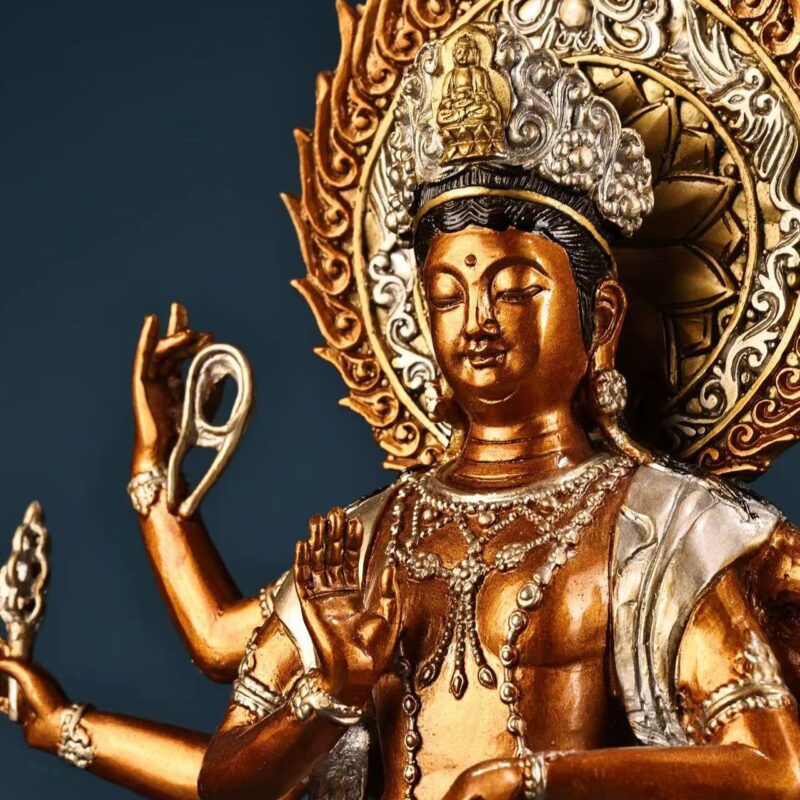
Chinese Buddhist Style Eight-Armed Kwan-yin (Guanyin), Antique Bronze Statue with Partial Gold & Silver Gilding
Original price was: $499.00.$369.00Current price is: $369.00.statue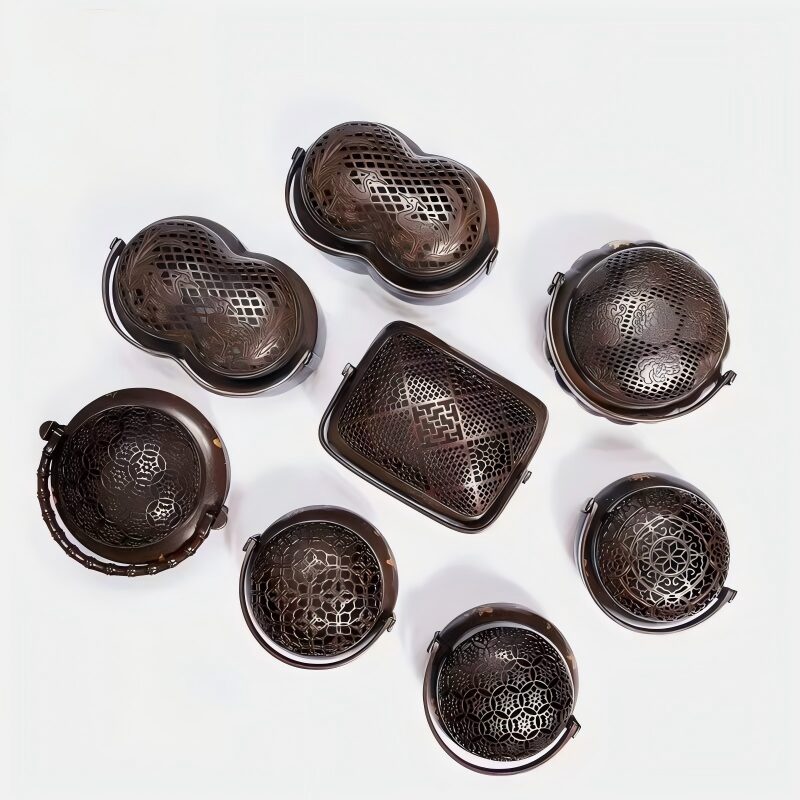
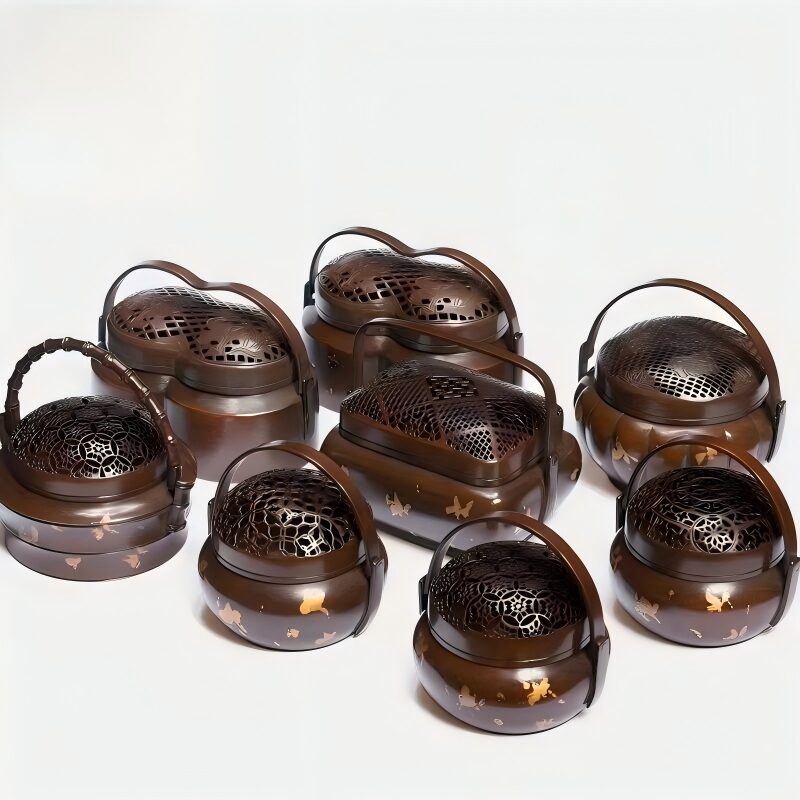
Collection of 12 Antique-style Bronze Censers (Incense Burners) of Various Forms and Motifs
Price range: $169.00 through $249.00piece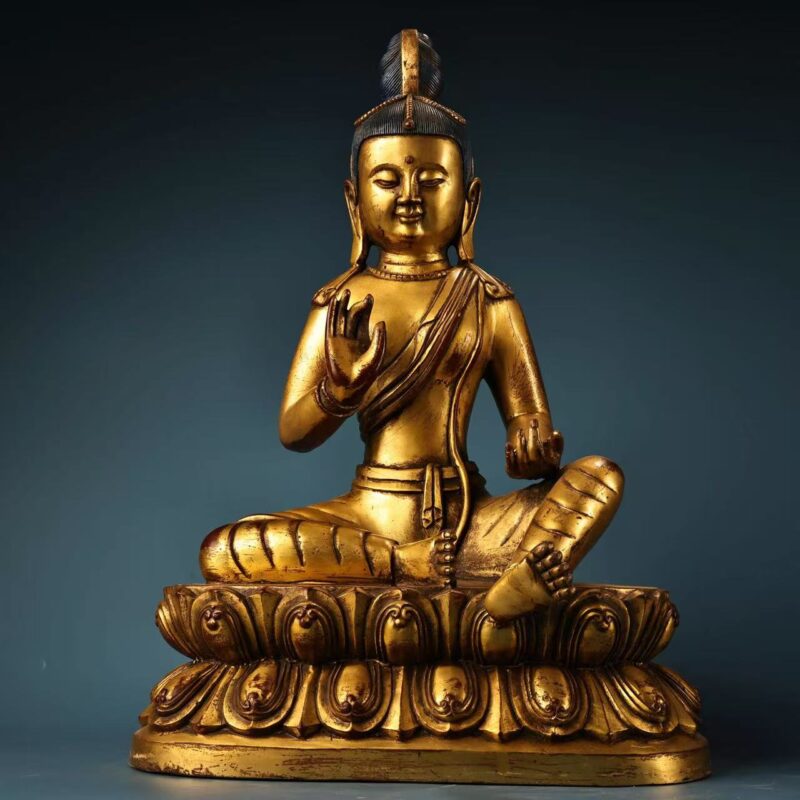
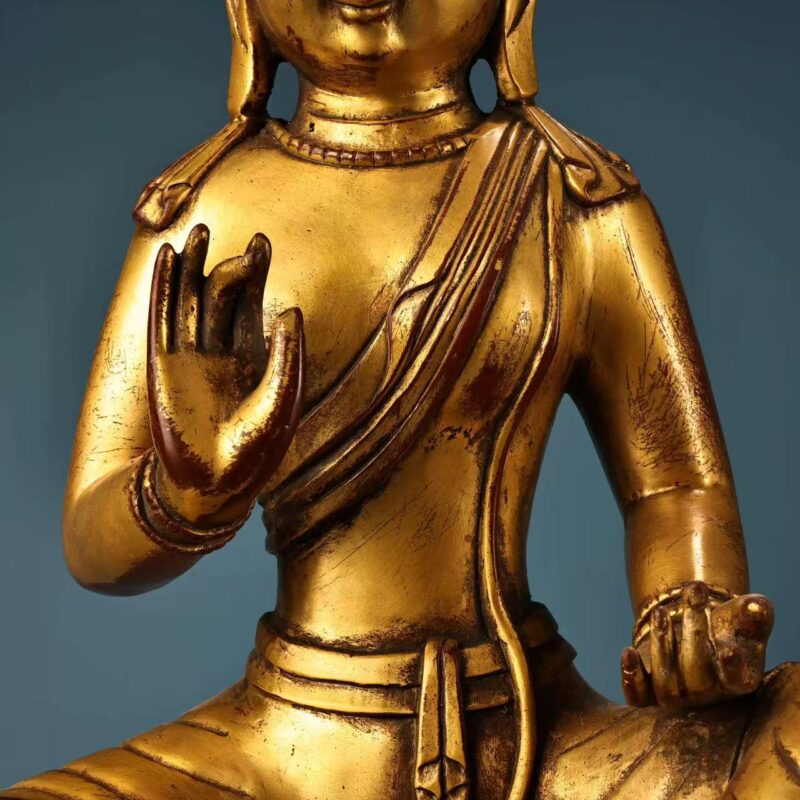
Early Ming Dynasty Gilt Bronze Seated Kwan-yin (Guanyin / Avalokiteshvara) in Lalitasana, Sino-Tibetan Integrated Chinese Workshop Style
Buddha statue, Handicrafts with Himalayan, Buddhist and Taoist Features of China, Best Sellers, New Arrivals
Original price was: $1,999.00.$1,399.00Current price is: $1,399.00.statue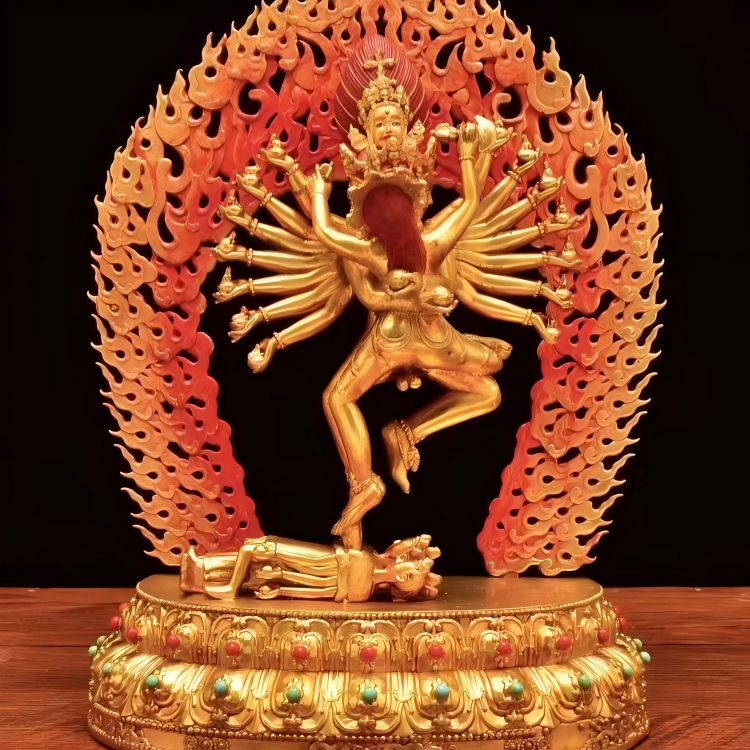
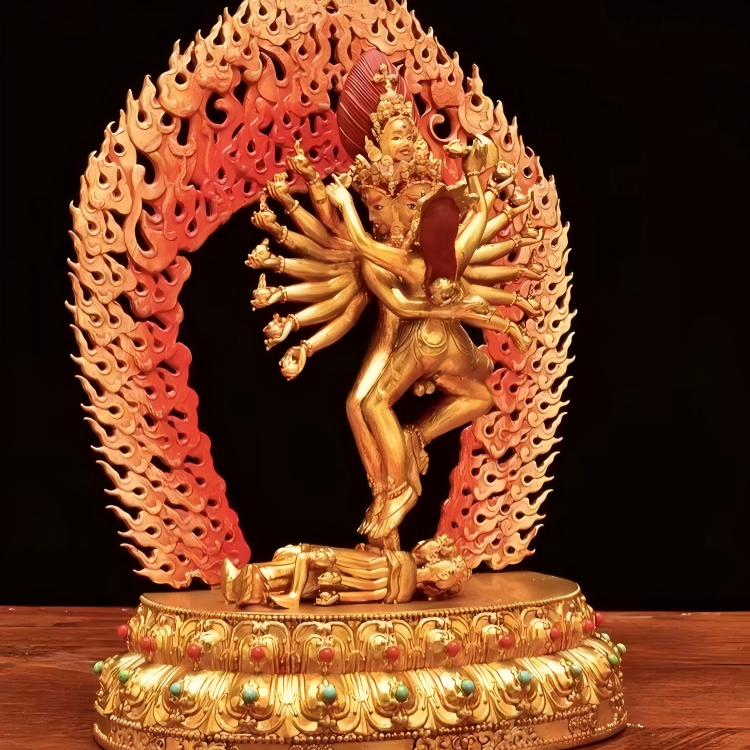
Eight-faced Sixteen-armed Gilt Bronze Hevajra Statue, Nepalese Craft, Sakya School Yidam of Tibetan Buddhism
Buddha statue, Handicrafts with Himalayan, Buddhist and Taoist Features of China, Best Sellers, New Arrivals
Original price was: $599.00.$499.00Current price is: $499.00.statue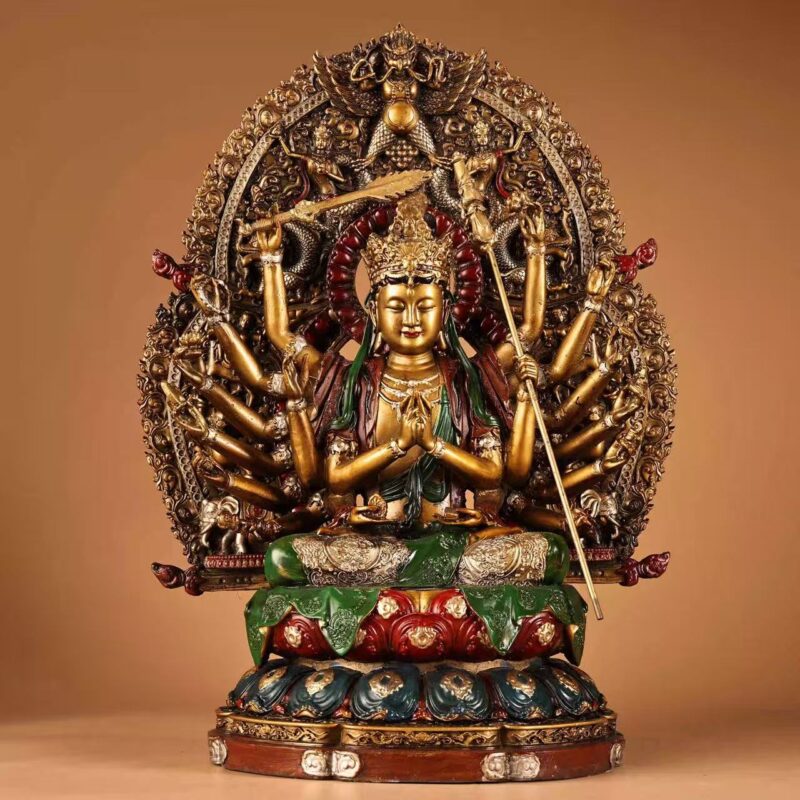
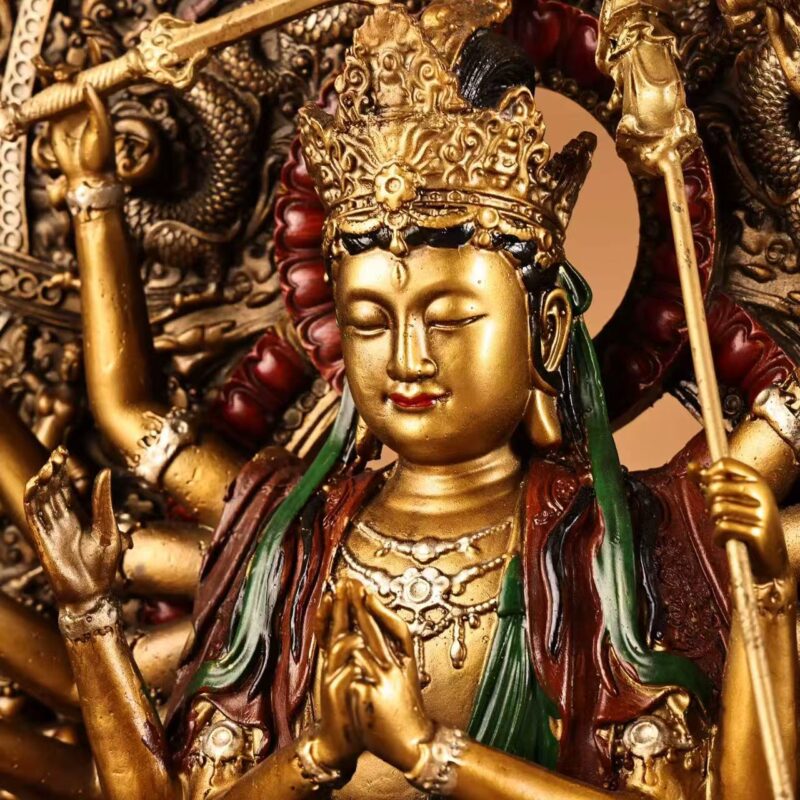
Eighteen-Armed Cundi Mother Buddha, Chinese Buddhist Style Fire-Gilded & Polychrome Bronze Statue with Mandorla
Original price was: $799.00.$599.00Current price is: $599.00.statue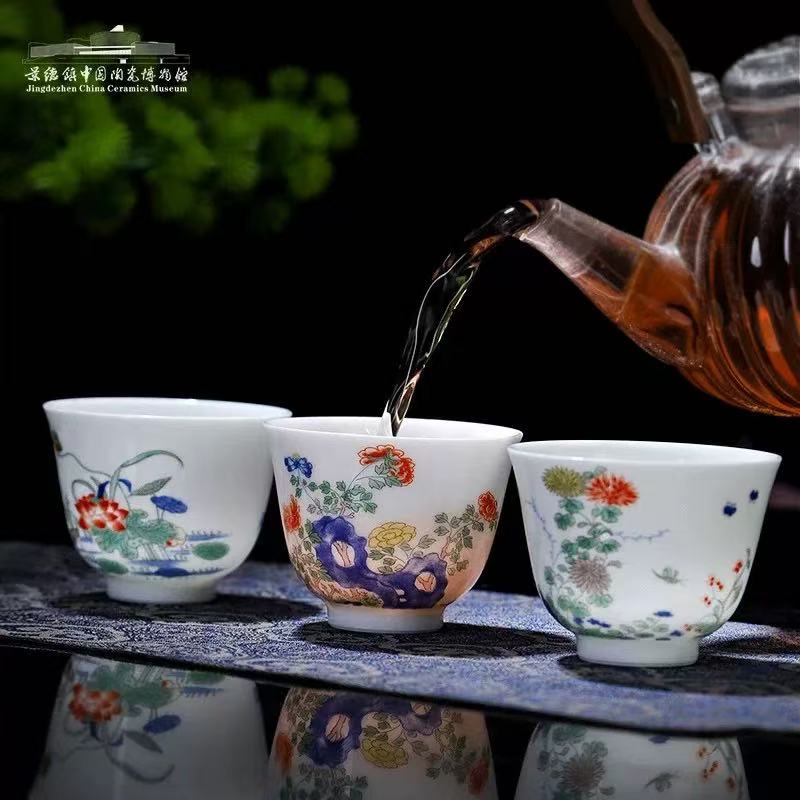
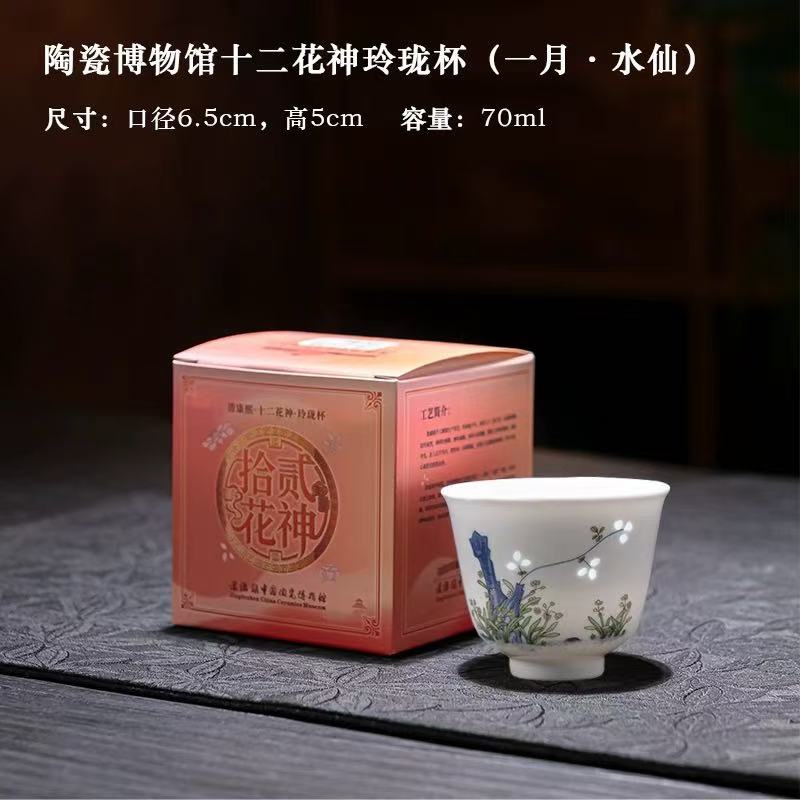
Emperor Kangxi Blue‑and‑White Wucai Twelve‑Month Floral God Cups
Wucai (Five-Colour Ware); Famille Rose & Imperial Enamel with Blue-and-White Elements, Teas & Teawares, Best Sellers, New Arrivals
Original price was: $299.00.$199.00Current price is: $199.00.set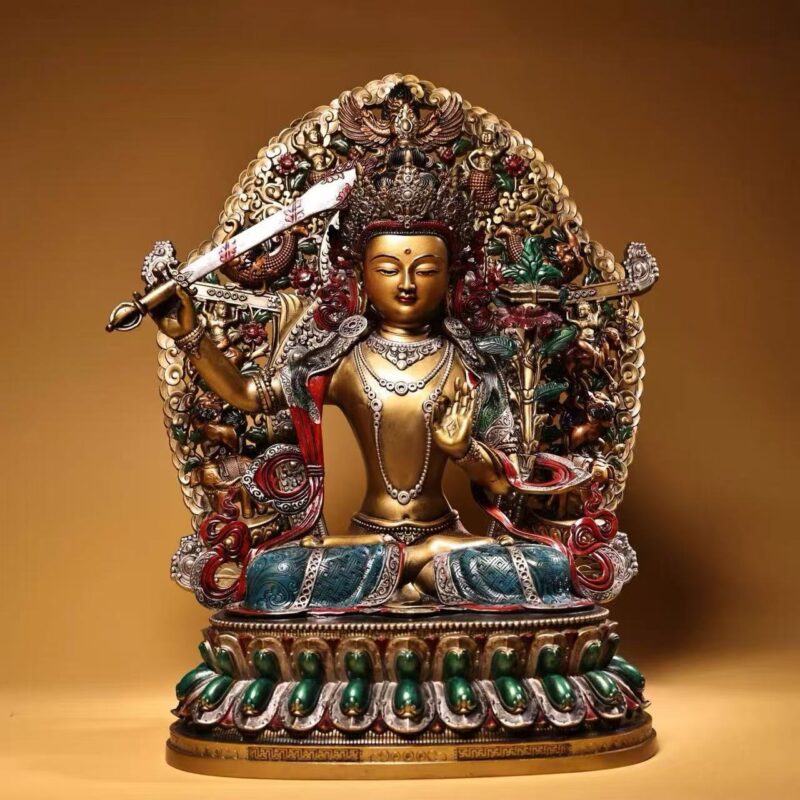
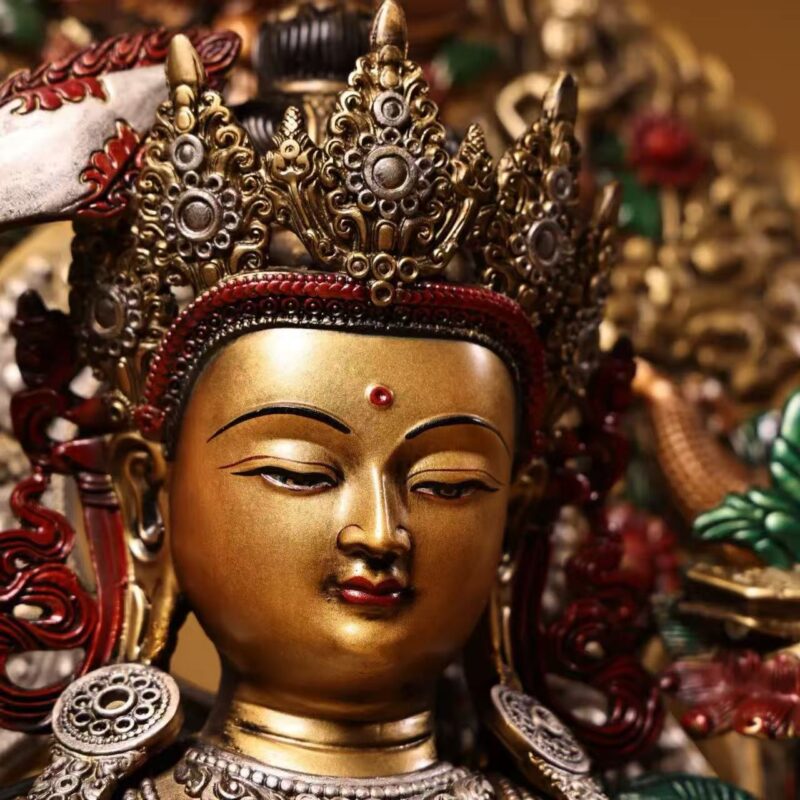
Exquisite Tibetan Tantric Manjushri, Gilt Bronze with Polychrome Painting & Gem Inlay for Shrine
Buddha statue, Handicrafts with Himalayan, Buddhist and Taoist Features of China, Best Sellers, New Arrivals
Original price was: $1,199.00.$859.00Current price is: $859.00.statue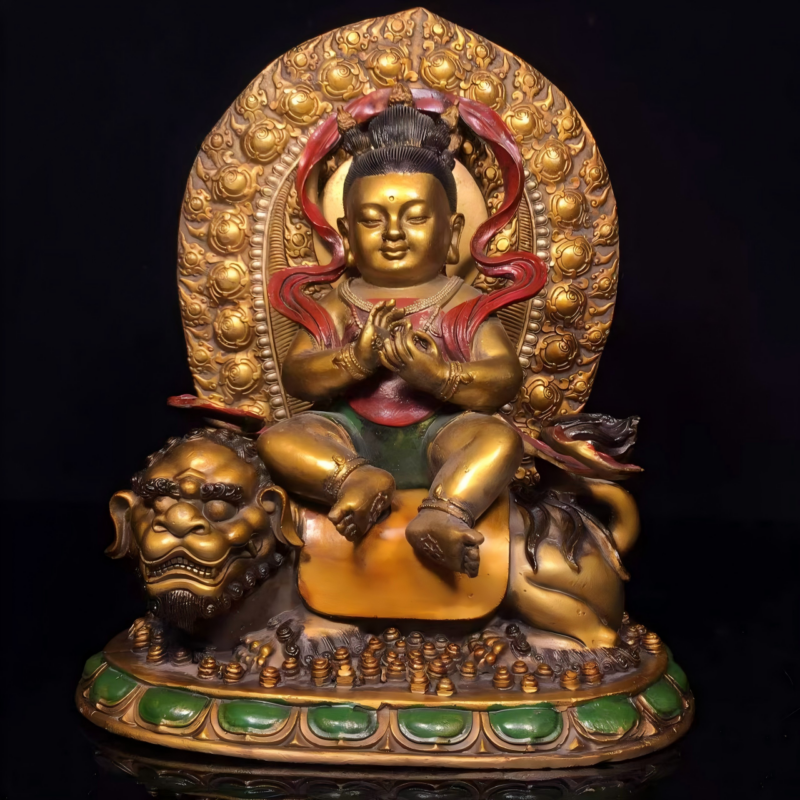
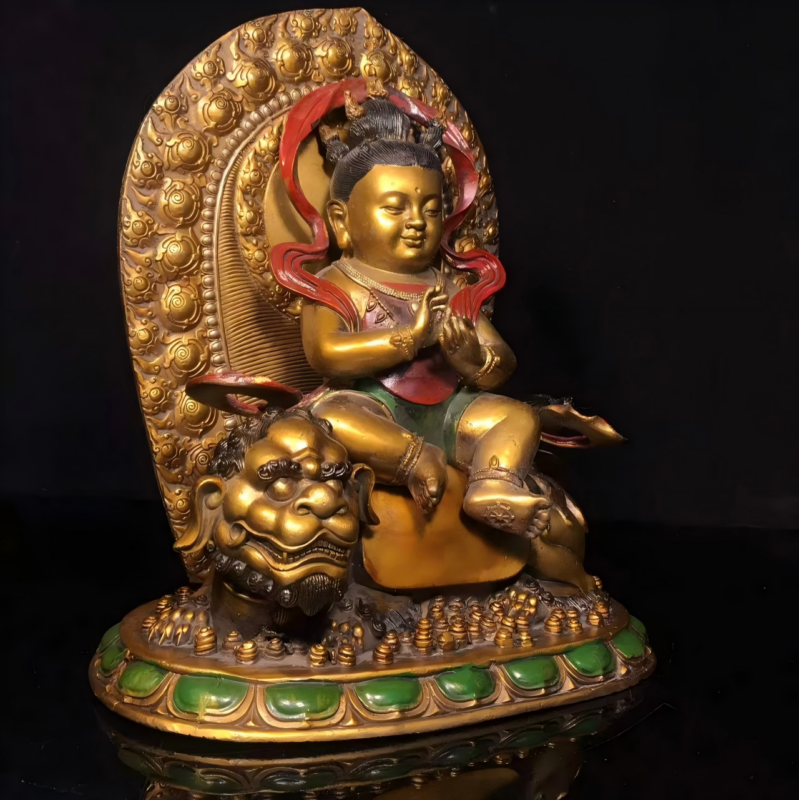
Exquisitely Crafted Aged Bronze Polychrome Manjushri Bodhisattva in Childlike Form
Buddha statue, Handicrafts with Himalayan, Buddhist and Taoist Features of China, New Arrivals, Best Sellers
Original price was: $359.00.$279.00Current price is: $279.00.statue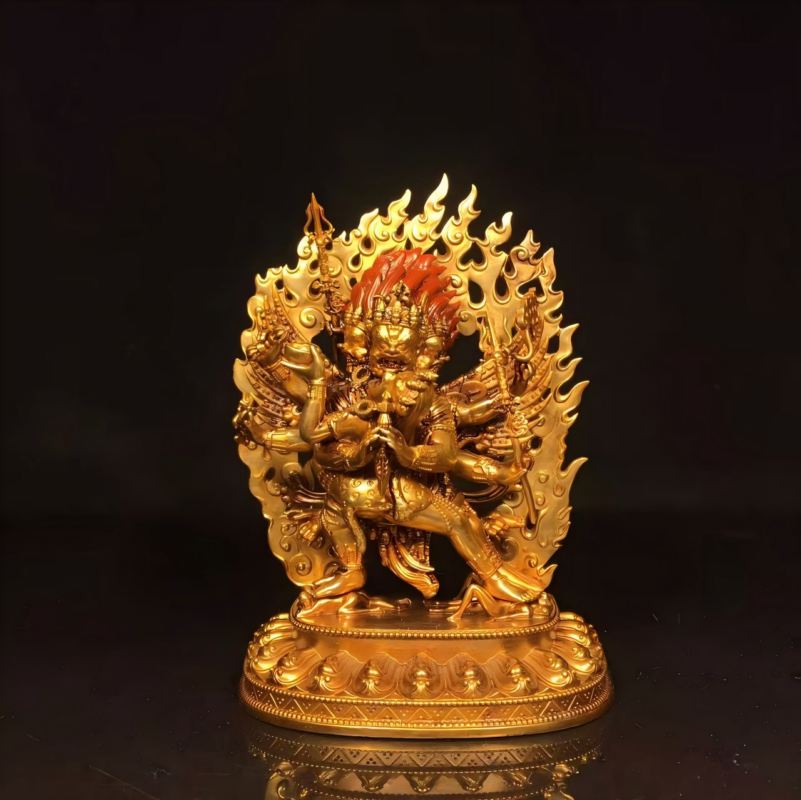
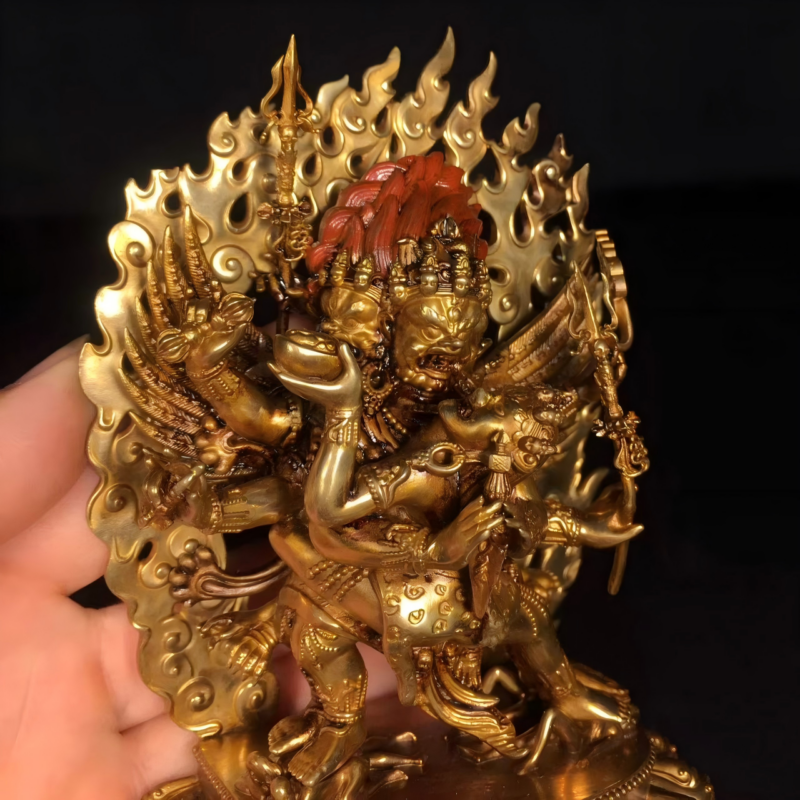
Exquisitely Miniature Gilt and Chiseled Yab-Yum Statue of Vajrakilaya/Vajrakila/Dorje Phurba and Consort
Buddha statue, Handicrafts with Himalayan, Buddhist and Taoist Features of China, New Arrivals, Best Sellers
Original price was: $399.00.$279.00Current price is: $279.00.statue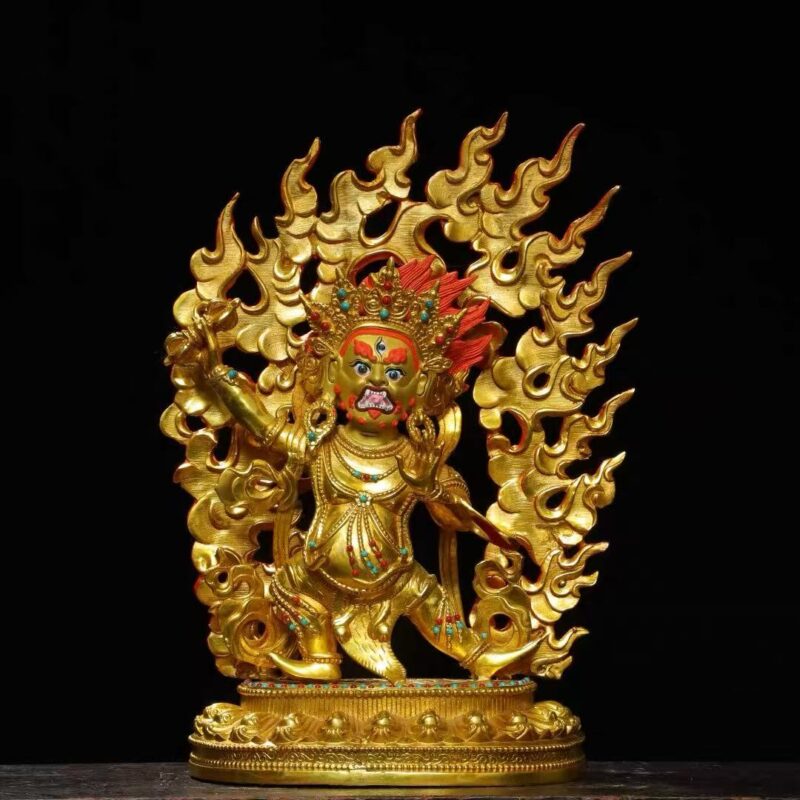
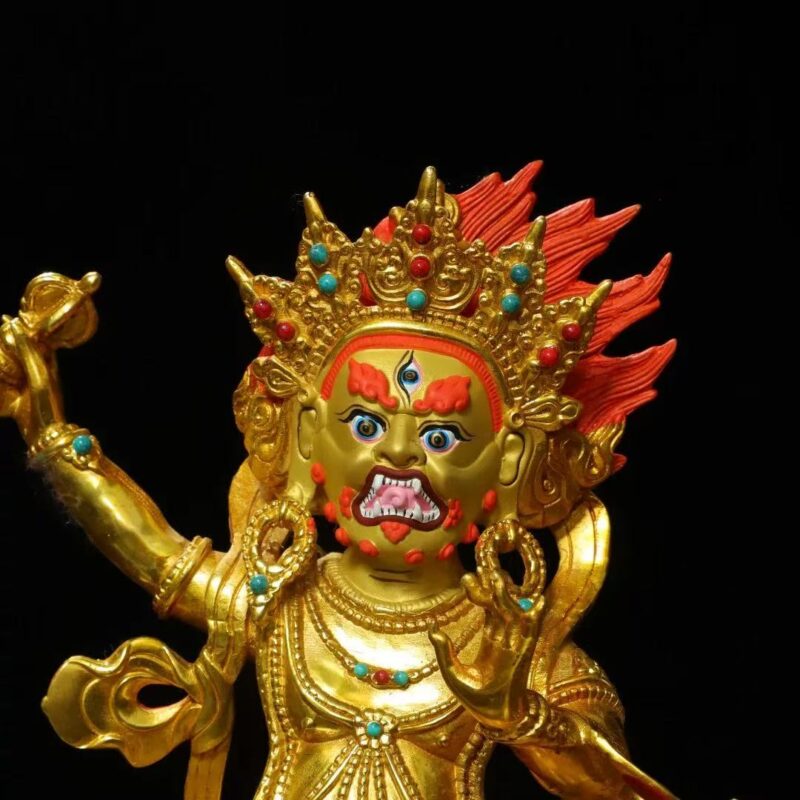
Fully Gilded Bronze Vajrapani Bodhisattva, Tibetan Craftsmanship
Buddha statue, Handicrafts with Himalayan, Buddhist and Taoist Features of China, Best Sellers, New Arrivals
Original price was: $399.00.$299.00Current price is: $299.00.statue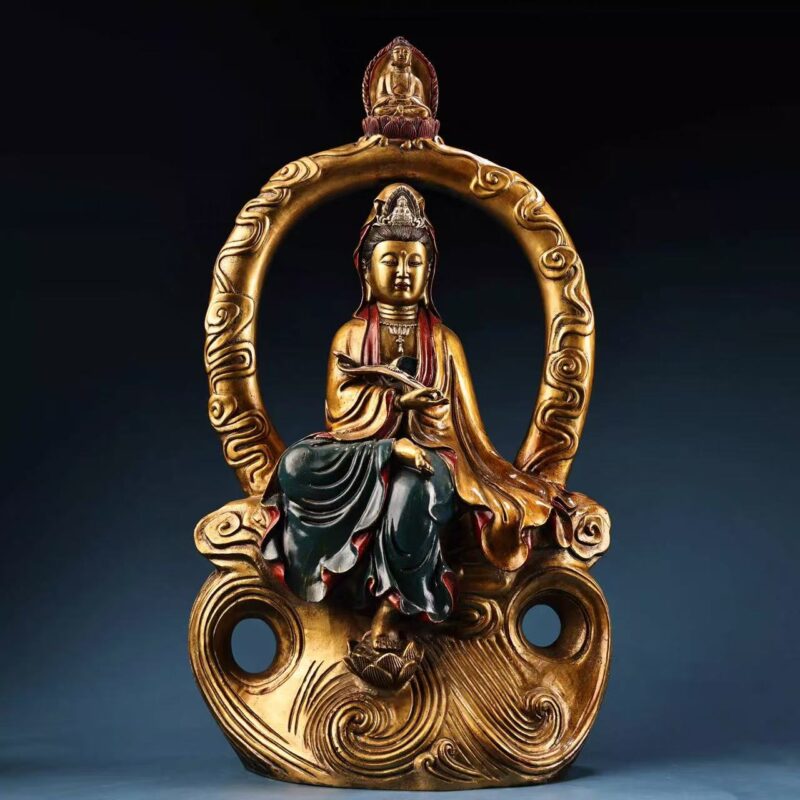
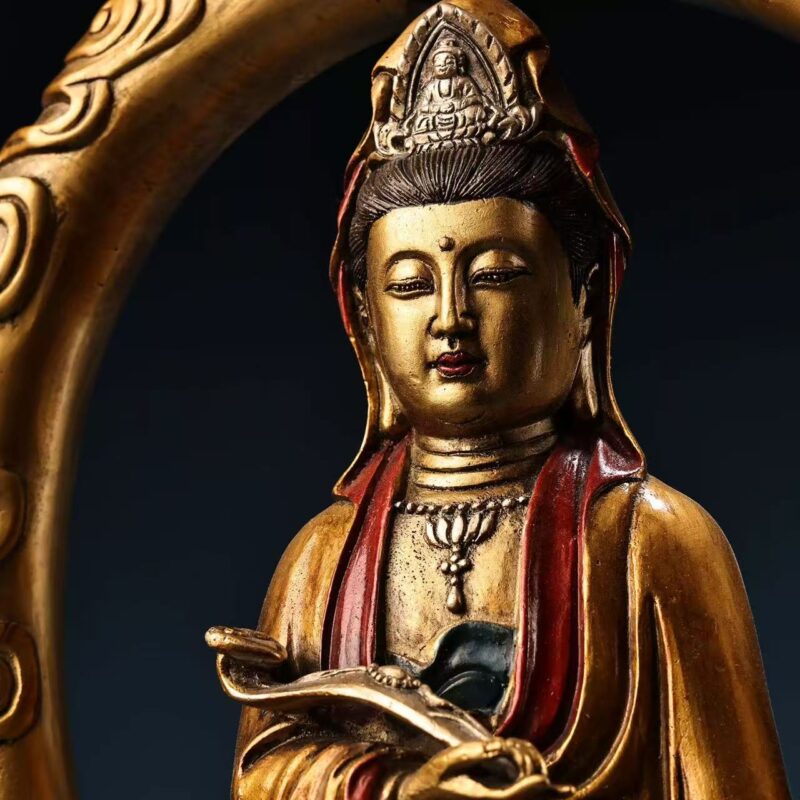
Gilded Mineral Paint Free Ruyi Guanyin (Kwan-yin / Avalokiteśvara / Avalokiteshvara) Bronze Statue with Cloud Halo & Wave Base for Home Altar Decor
Original price was: $499.00.$399.00Current price is: $399.00.statue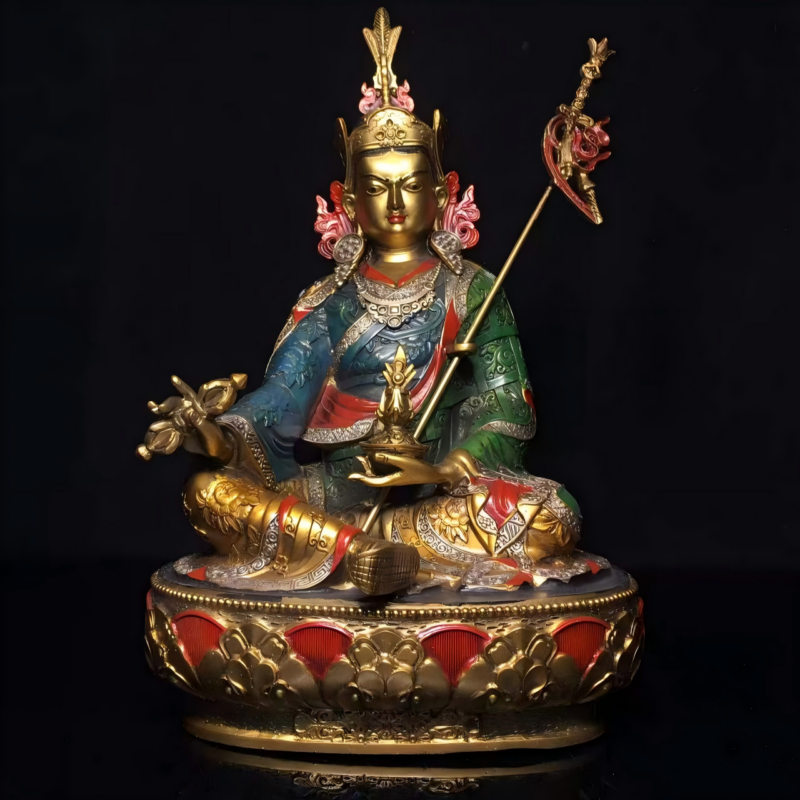
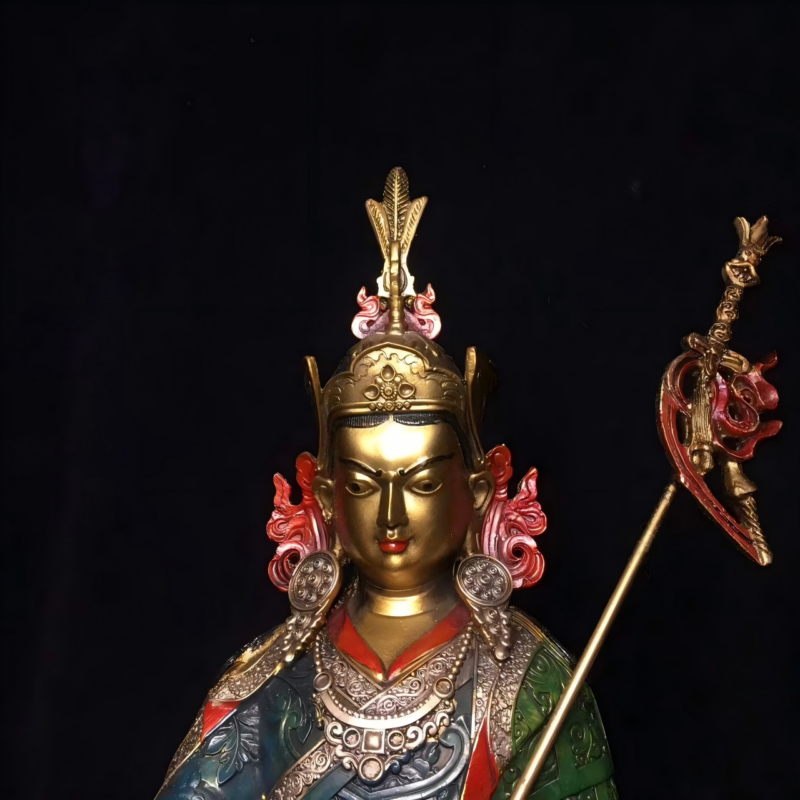
Gilded Painted Bronze Padmasambhava (Guru Rinpoche) Statue
Buddha statue, Handicrafts with Himalayan, Buddhist and Taoist Features of China, Best Sellers, New Arrivals
Original price was: $339.00.$279.00Current price is: $279.00.statue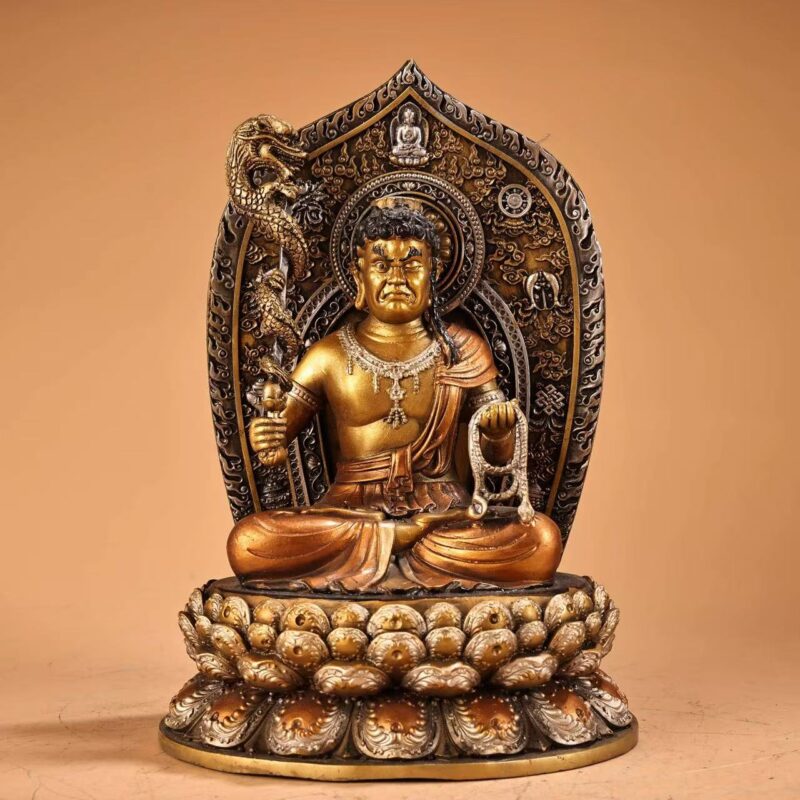
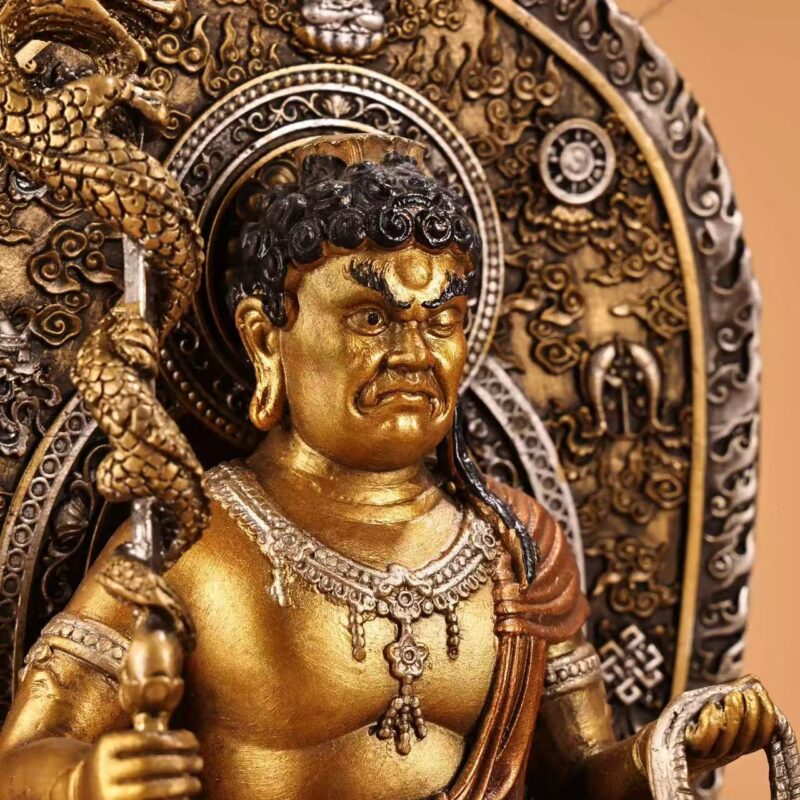
Gilded Silver Flaming Nimbus Lotus Base Acala Statue, Premier of 8 Tang Esoteric Wisdom Kings Worship Sculpture
Buddha statue, Handicrafts with Himalayan, Buddhist and Taoist Features of China, Best Sellers, New Arrivals
Original price was: $389.00.$289.00Current price is: $289.00.statue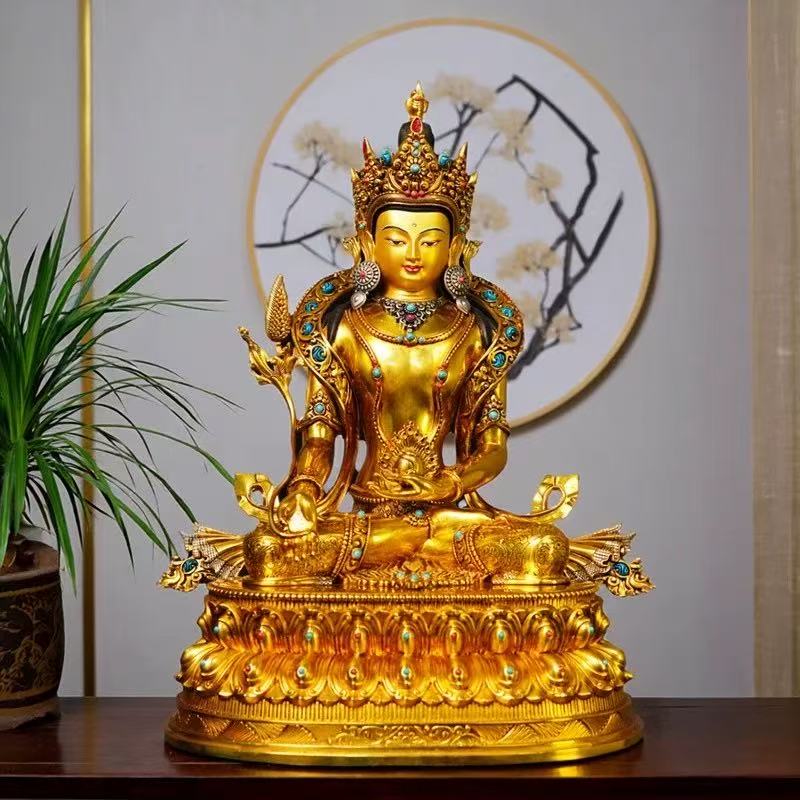
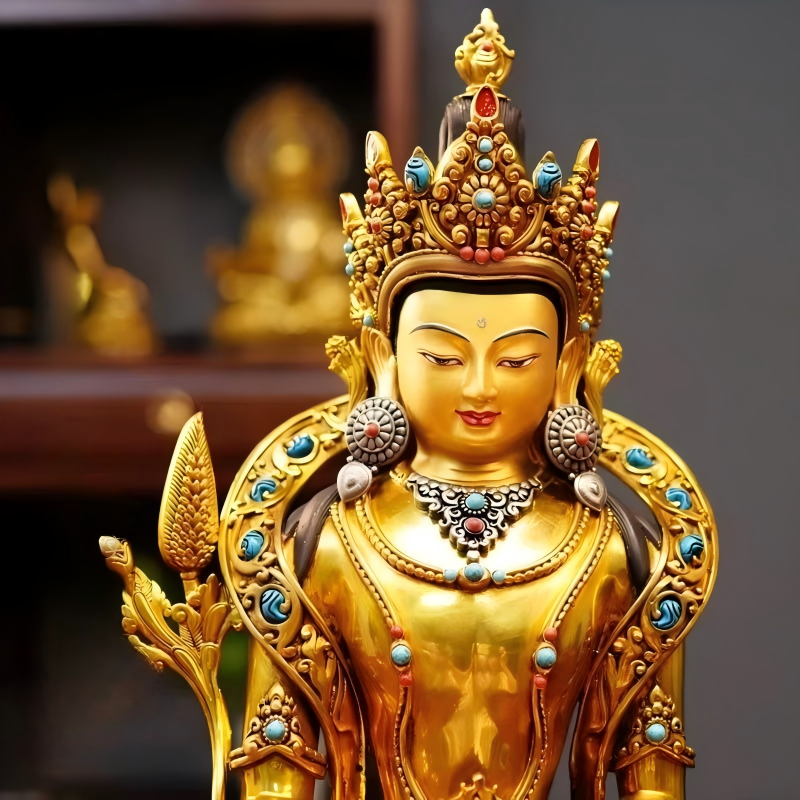
Gilt Bronze Figure of Esoteric Sect Ksitigarbharaja Bodhisattva
Price range: $299.00 through $899.00statue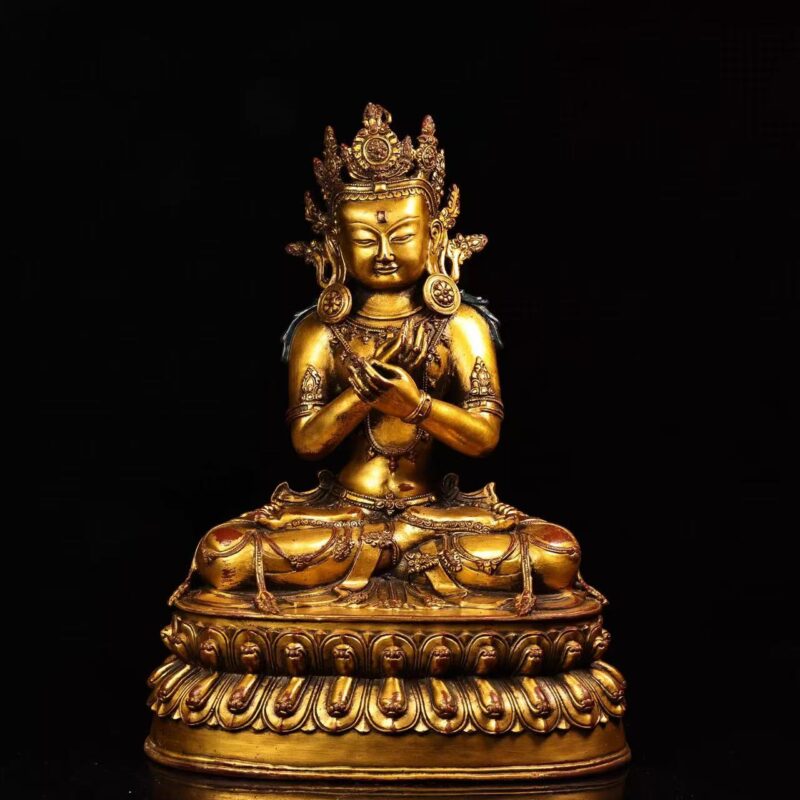
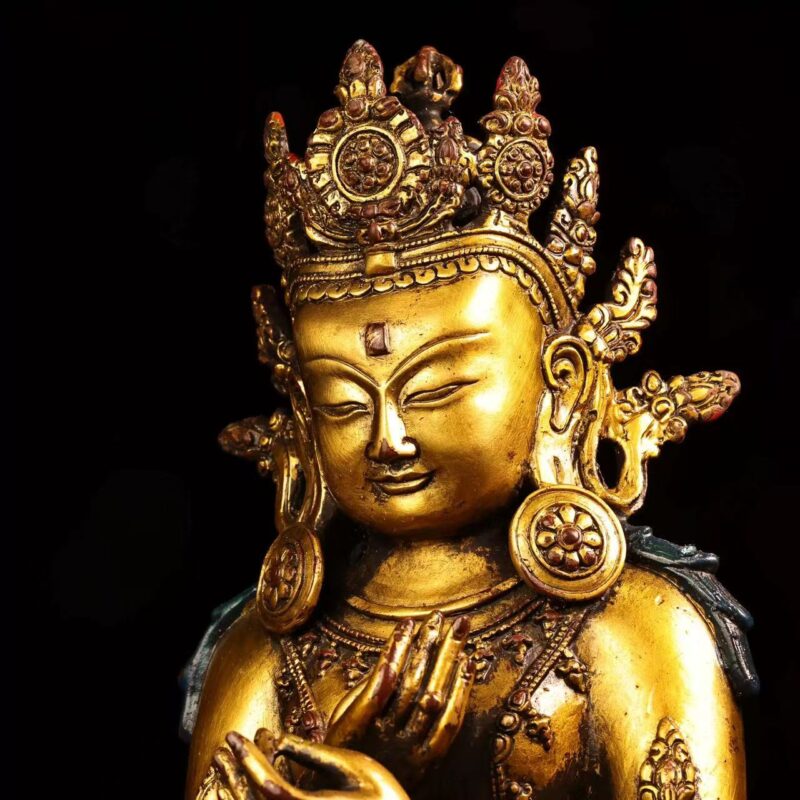
Gold-Gilt Bronze Vajradhara Buddha Statue with Antiqued Finish
Buddha statue, Handicrafts with Himalayan, Buddhist and Taoist Features of China, Best Sellers, New Arrivals
Original price was: $599.00.$499.00Current price is: $499.00.statue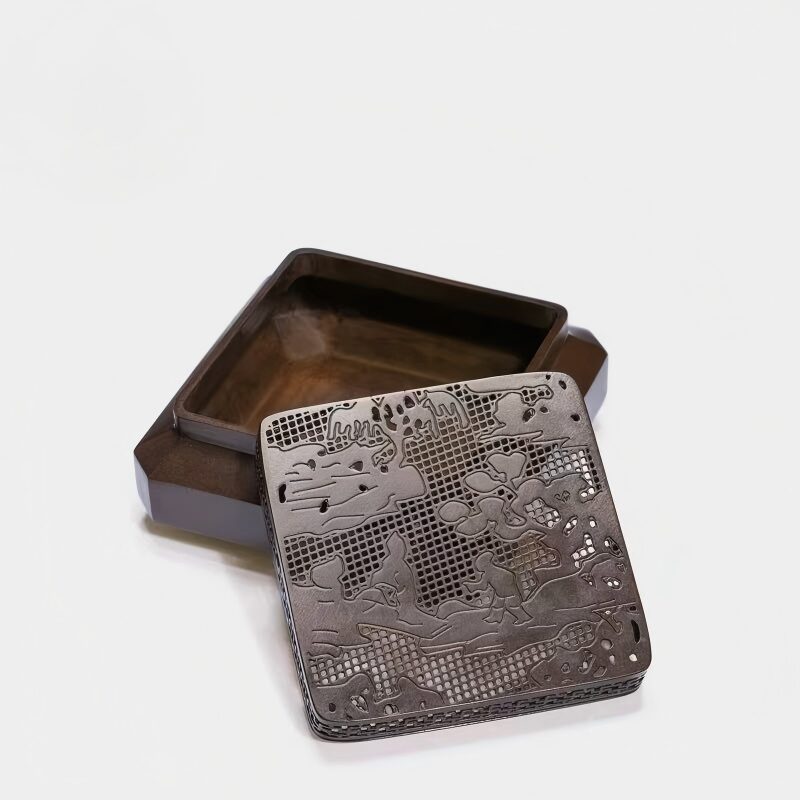
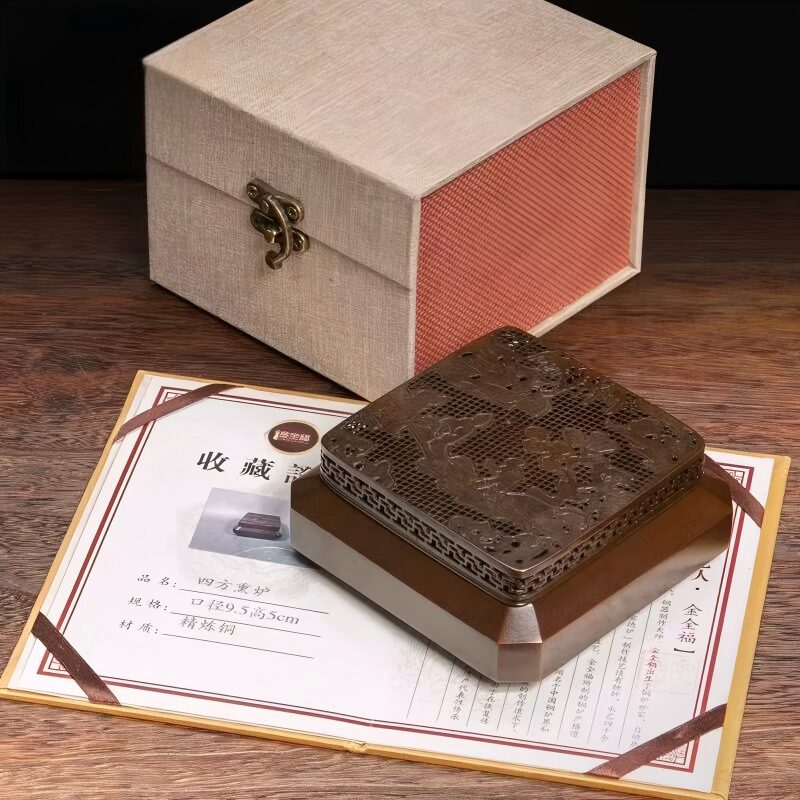
Group of 3 Suzhou-style Bronze Incense Burners (Censers) by Master Jin Quanfu
Price range: $199.00 through $239.00piece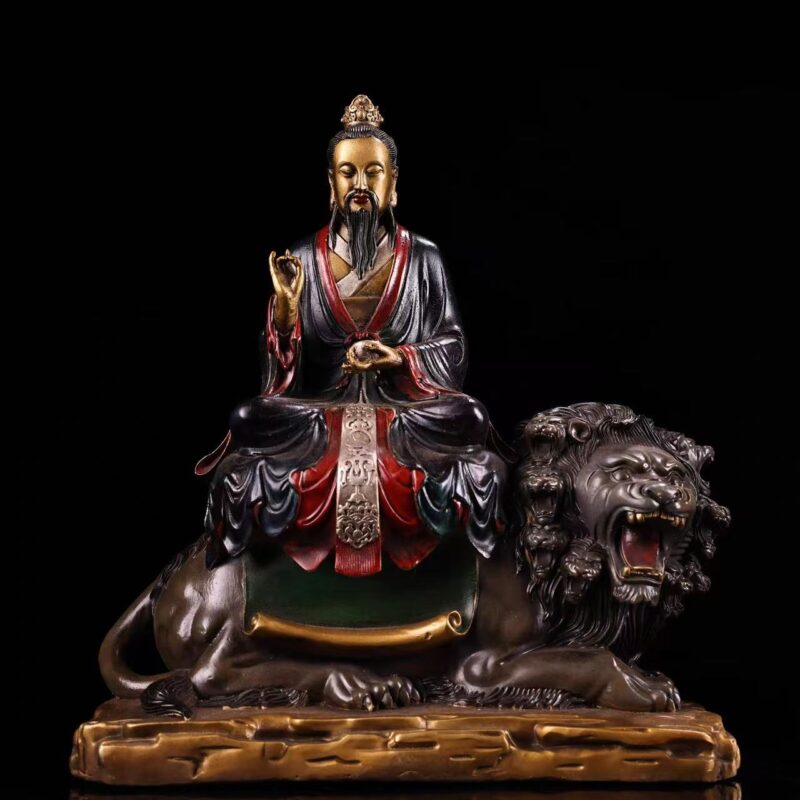
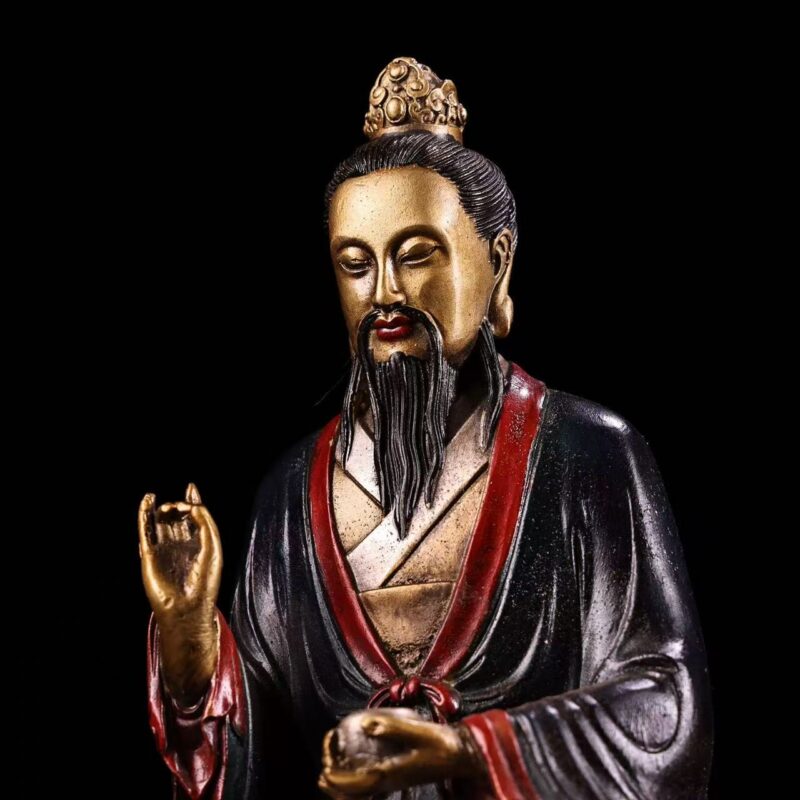
Hand-Painted Bronze Statue of Emperor of Eastern Azure Splendor, Heavenly Lord Taiyi Riding Nine-Headed Lion for Taoist Worship
Original price was: $499.00.$399.00Current price is: $399.00.statue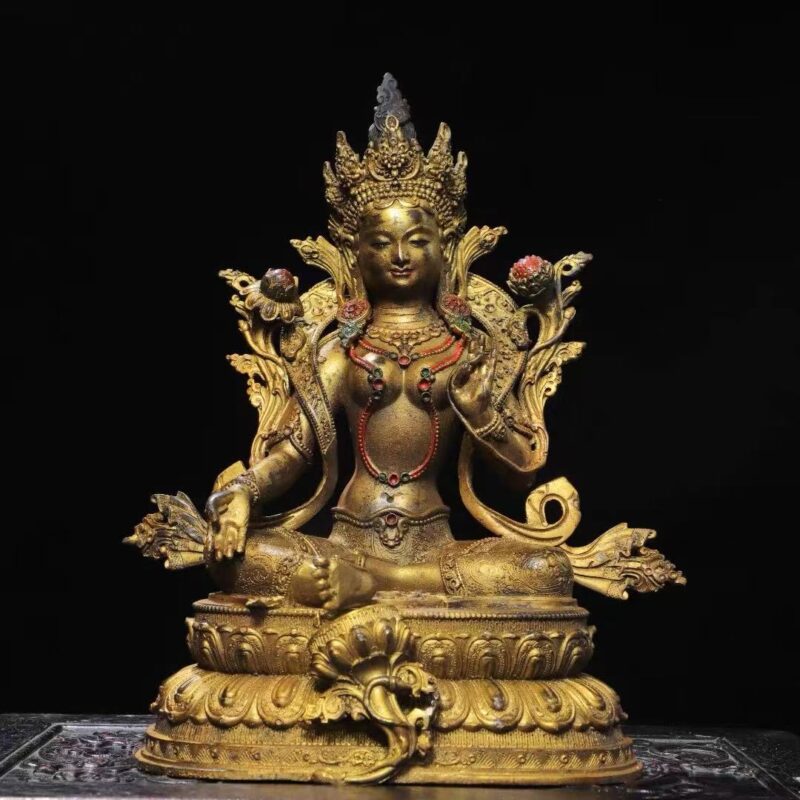
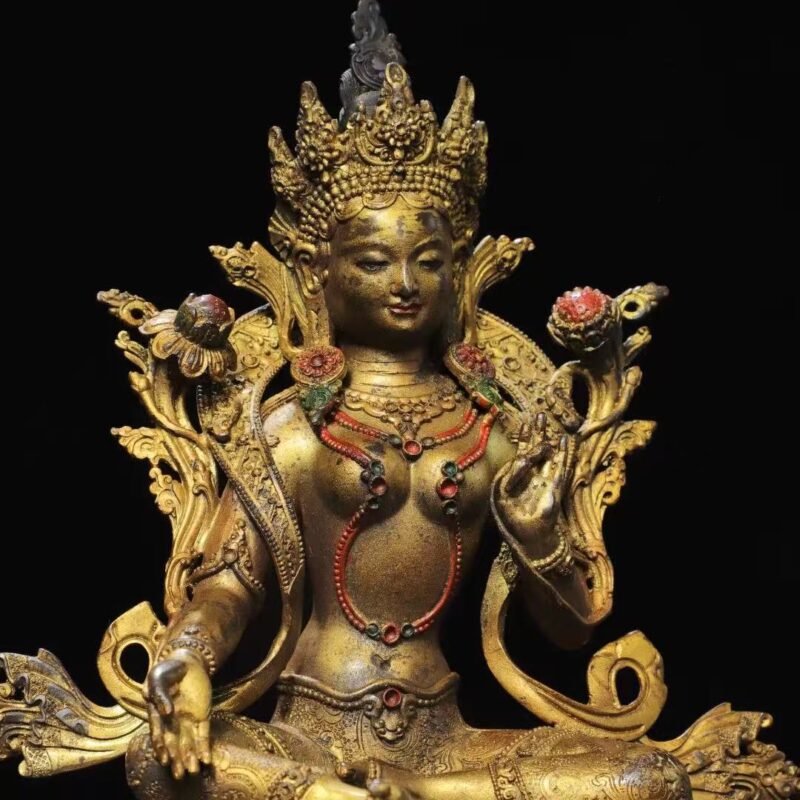
Handcrafted Traditional Gilded Bronze Green Tara, Retro Zen Decor for Tea Room & Incense Meditation Chamber
Buddha statue, Handicrafts with Himalayan, Buddhist and Taoist Features of China, Best Sellers, New Arrivals
Original price was: $399.00.$279.00Current price is: $279.00.statue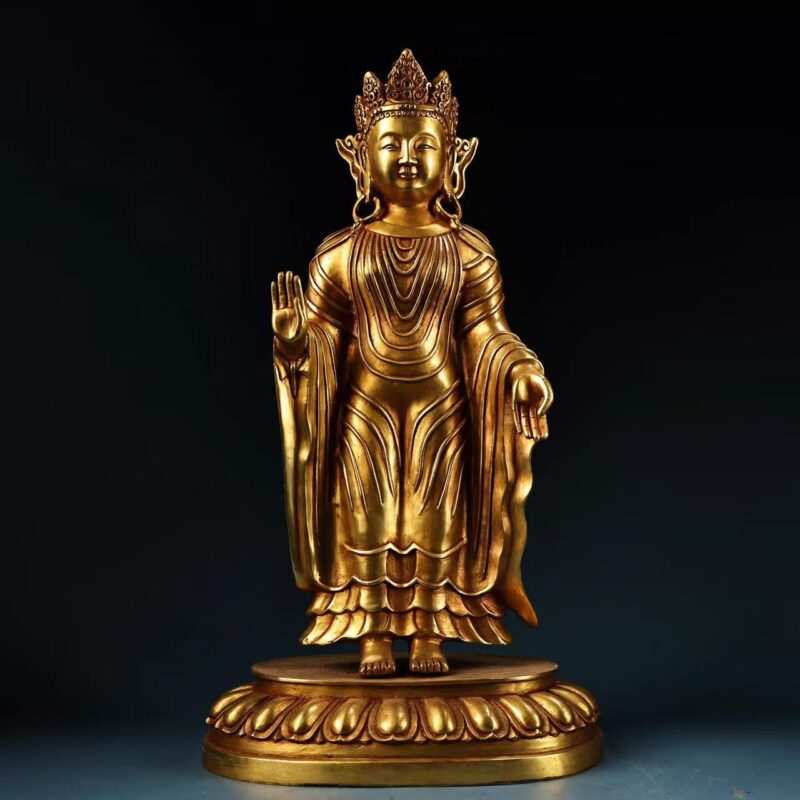
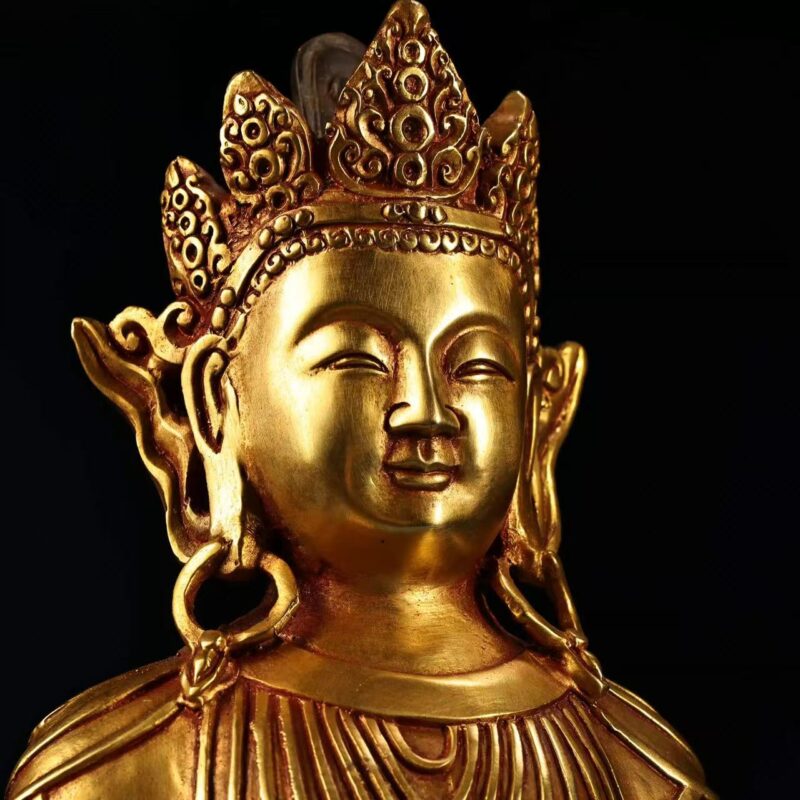
Healing & Mindfulness Decor | Antique Style Sandalwood Buddha Statue
Buddha statue, Handicrafts with Himalayan, Buddhist and Taoist Features of China, Best Sellers, New Arrivals
Original price was: $659.00.$499.00Current price is: $499.00.statue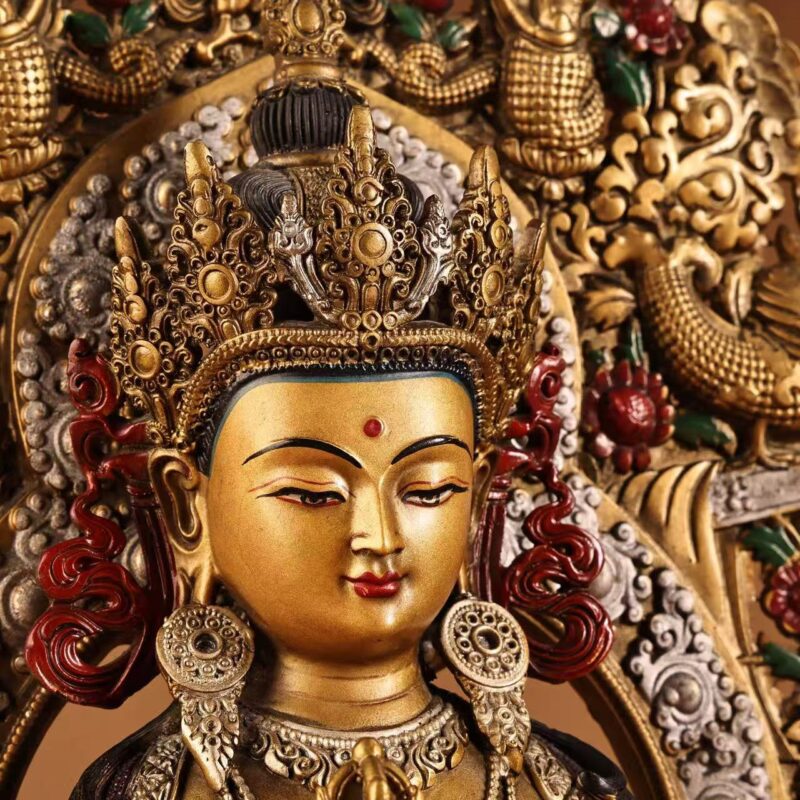
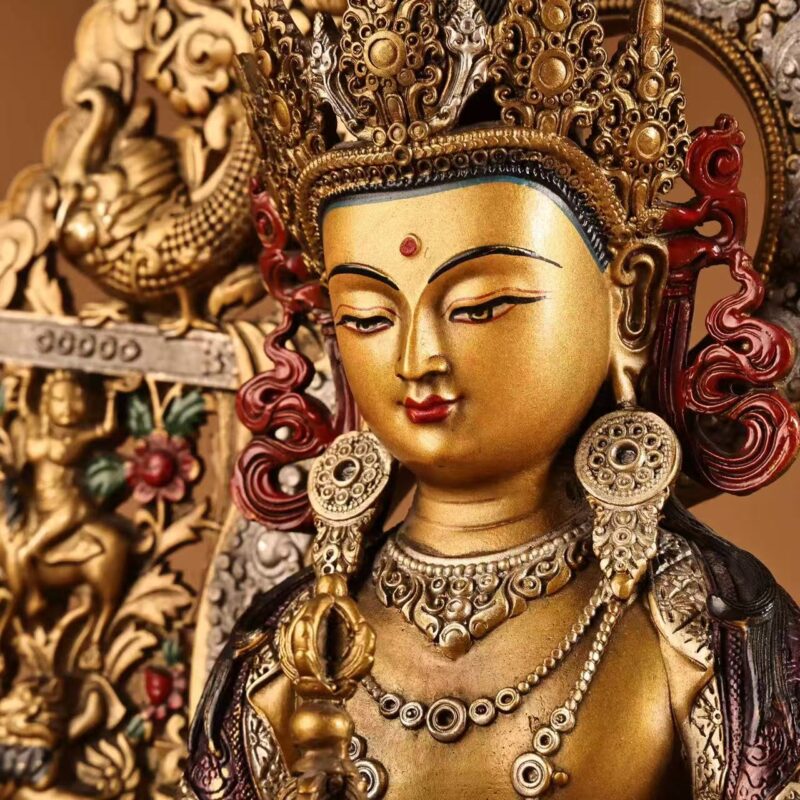
Himalayan Art Classic Nepalese Vajrasattva Sculpture, Representative Collectible Buddha for Global Tantric Culture
Original price was: $499.00.$399.00Current price is: $399.00.statue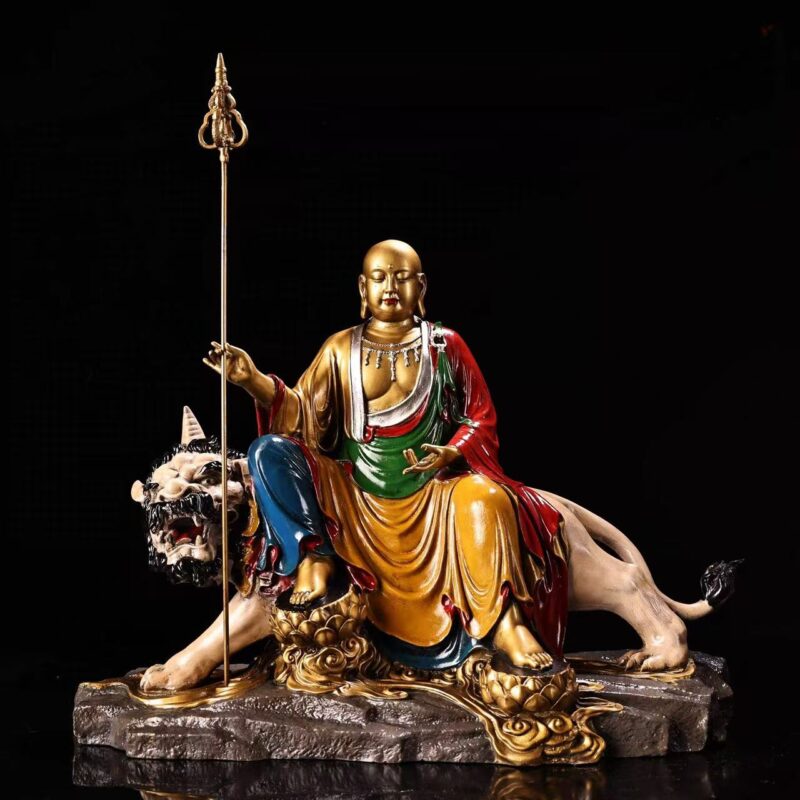
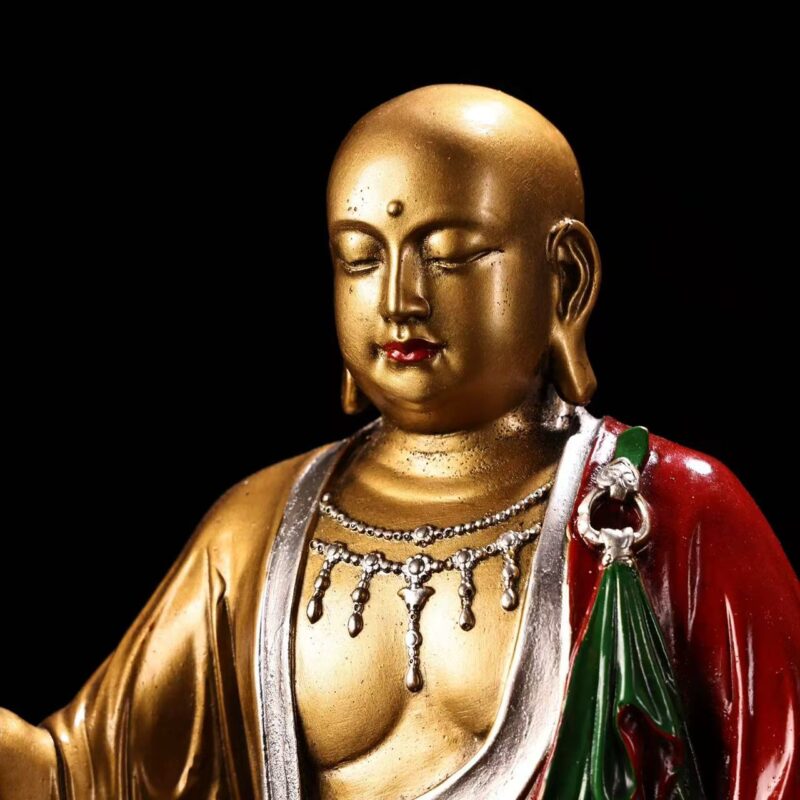
Ksitigarbha Bodhisattva on Diting, Gilded & Polychrome Bronze Statue, Chinese Buddhist Style
Original price was: $799.00.$659.00Current price is: $659.00.statue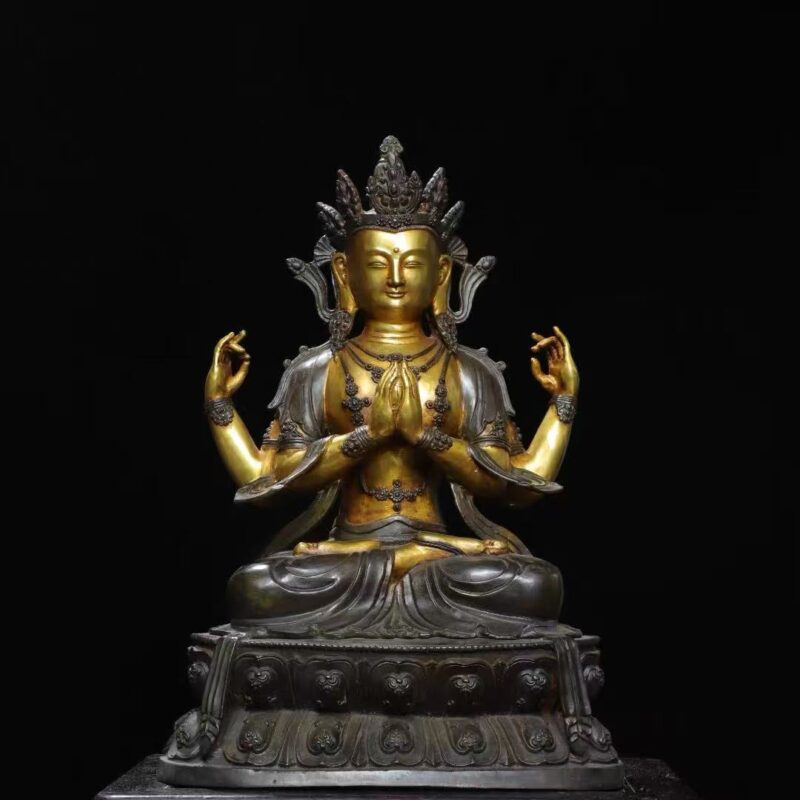
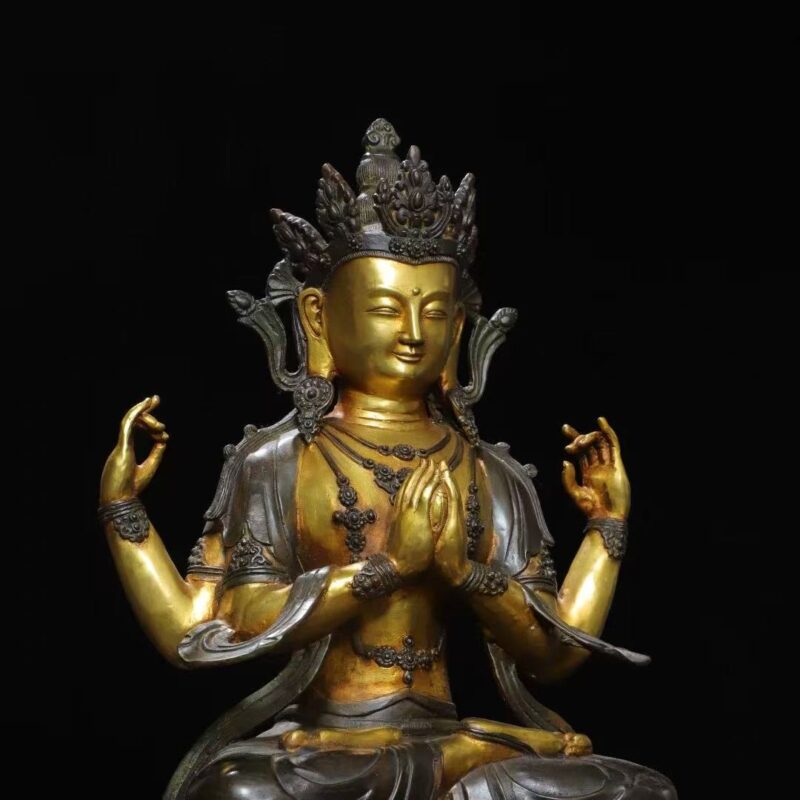
Large Cast Bronze Four-Armed Avalokitesvara Bodhisattva, Aged Patina with Partial Gild Finish, Cross-Legged Seated on Double-Carved Lotus Pedestal
Buddha statue, Handicrafts with Himalayan, Buddhist and Taoist Features of China, Best Sellers, New Arrivals
Original price was: $1,199.00.$899.00Current price is: $899.00.statue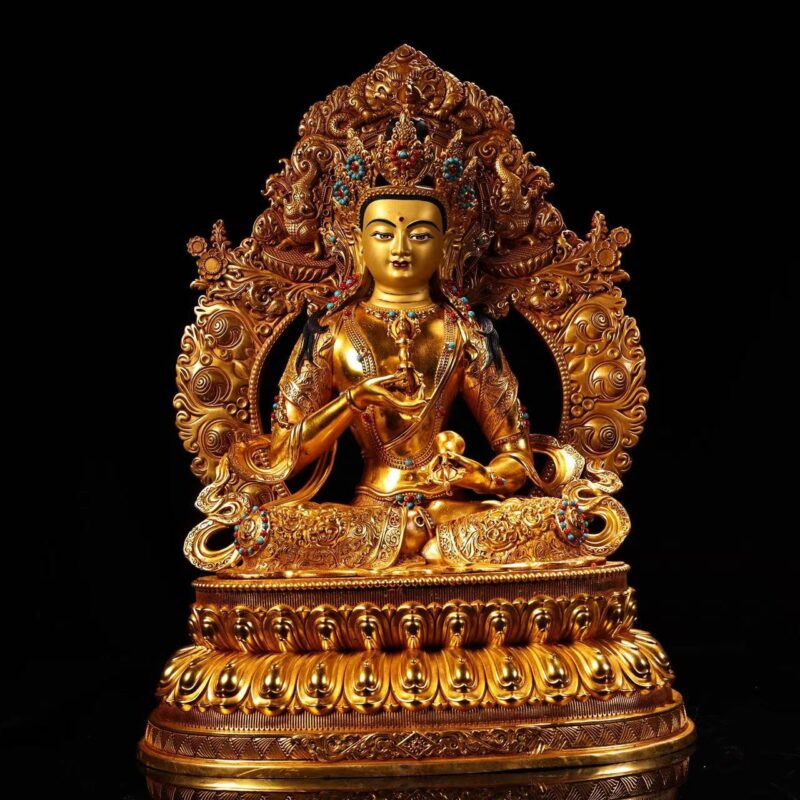
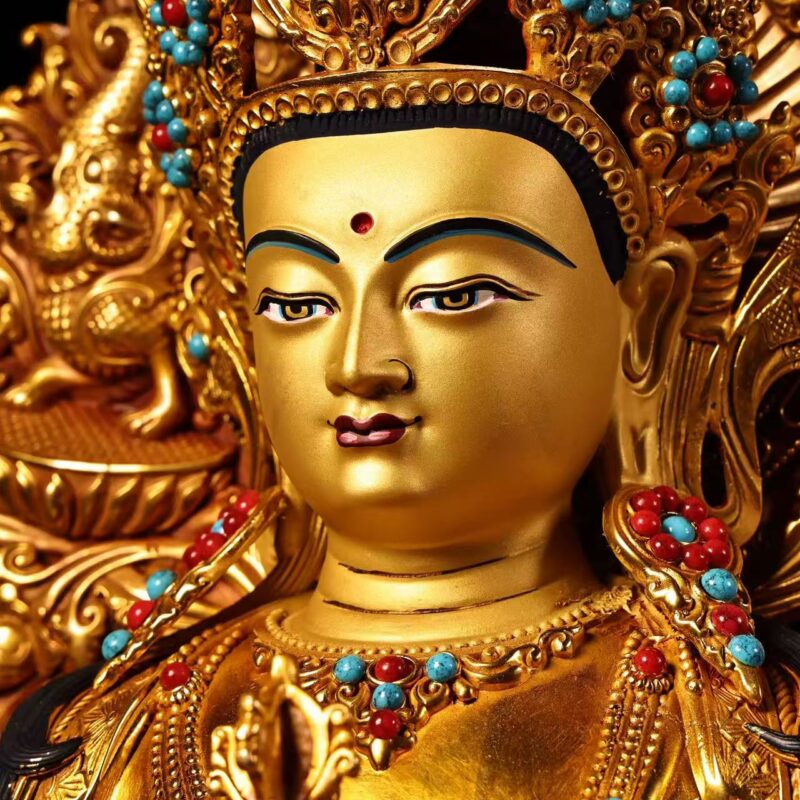
Large Gilt Bronze Vajrasattva Statue, Tibetan-Nepalese Style, Finely Chased Detailing
Original price was: $1,299.00.$859.00Current price is: $859.00.statue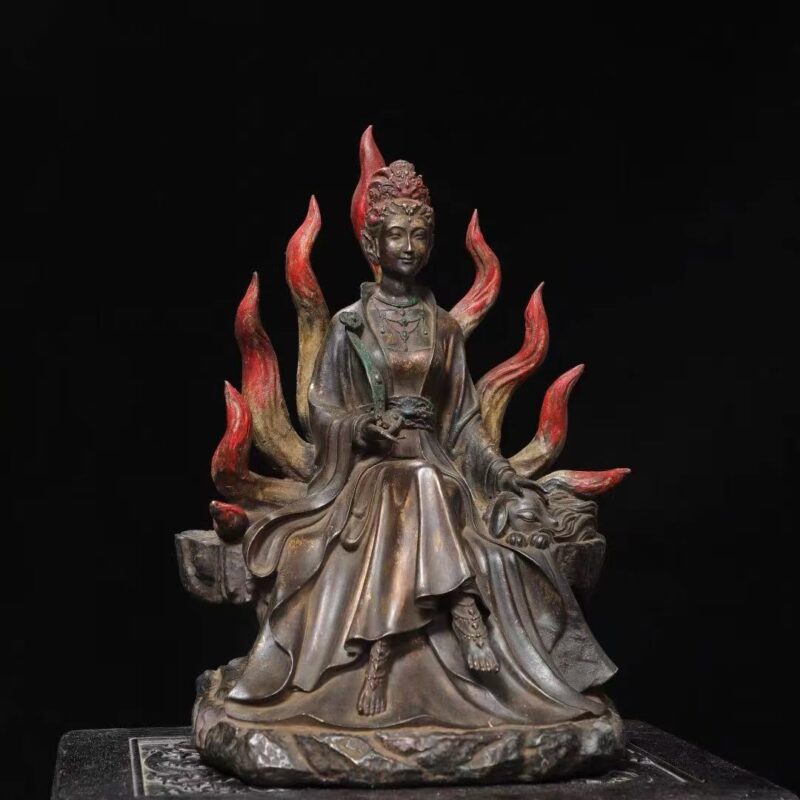
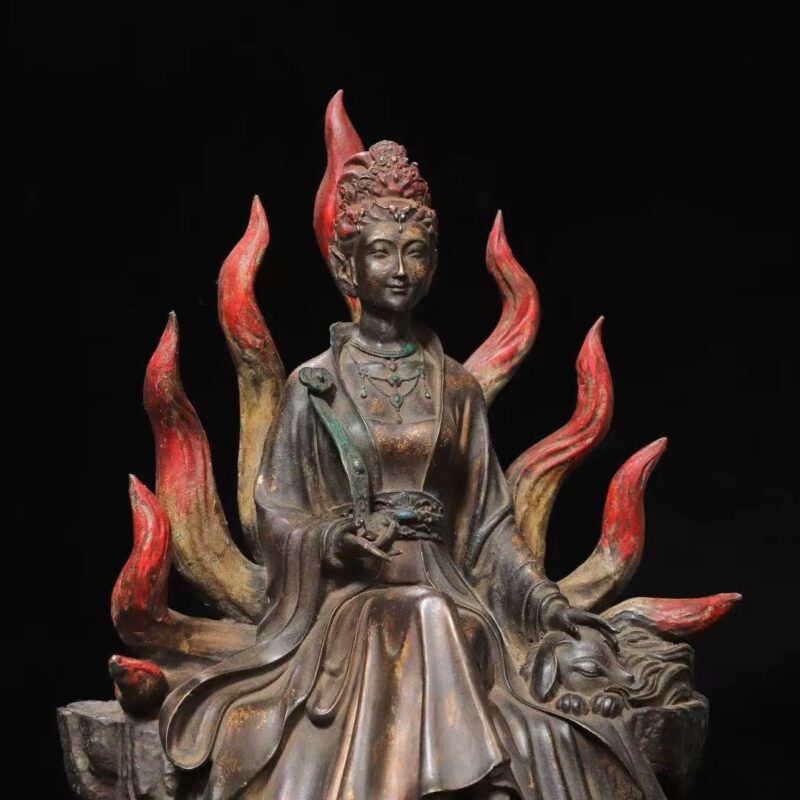
Large-Scale Antique Polychrome Bronze Seated Statue of Nine-Tailed Fox Immortal Goddess
Fengshui ornament, Handicrafts with Himalayan, Buddhist and Taoist Features of China, Best Sellers, New Arrivals
Original price was: $1,299.00.$999.00Current price is: $999.00.statue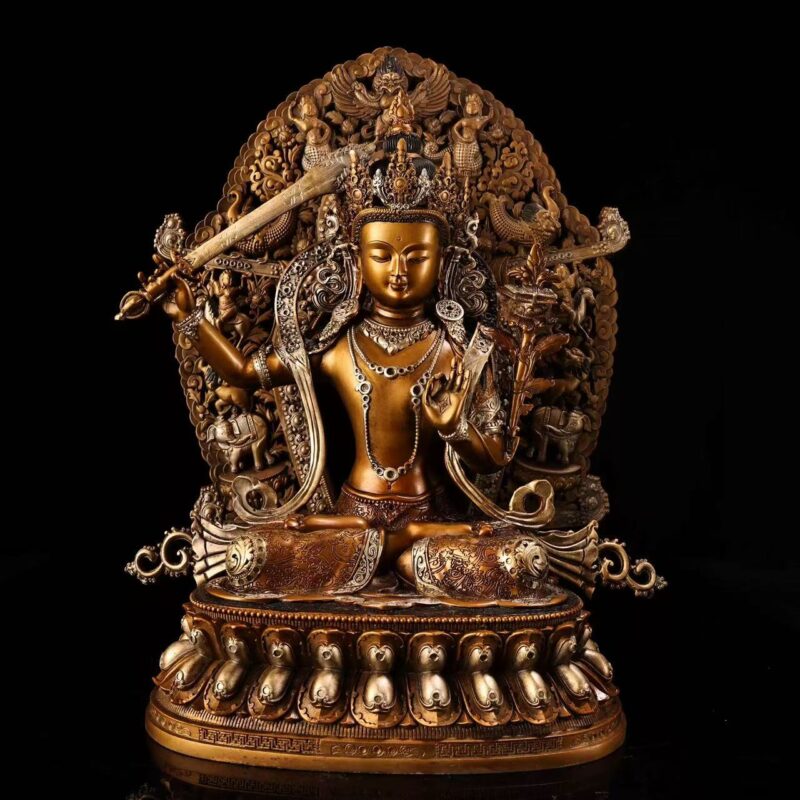
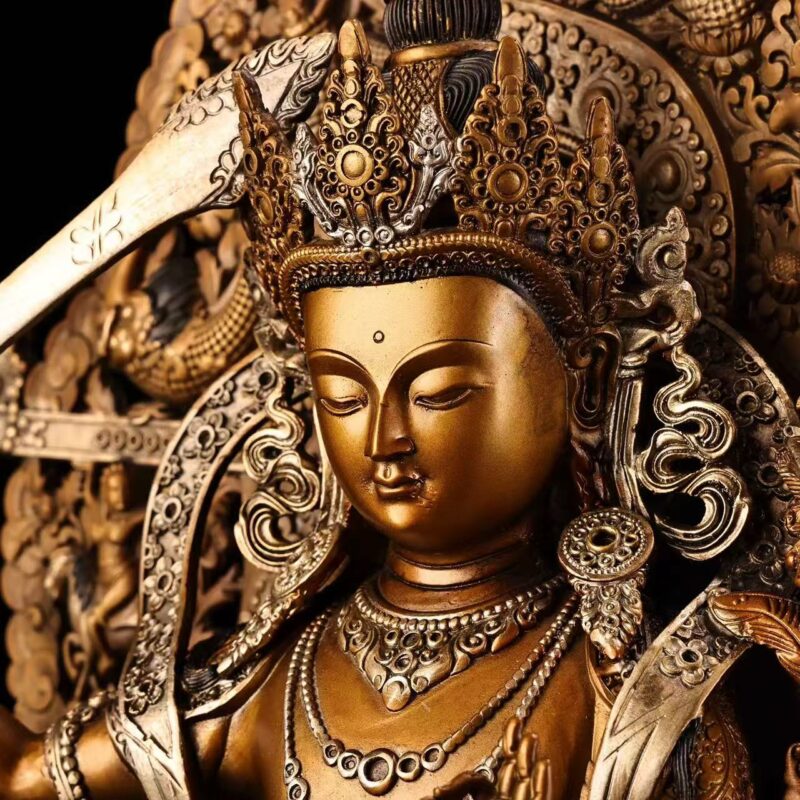
Large-Size Aged Bronze Gold-Gilt Manjushri Bodhisattva Statue with Gold & Silver Traced Details
Original price was: $429.00.$339.00Current price is: $339.00.statue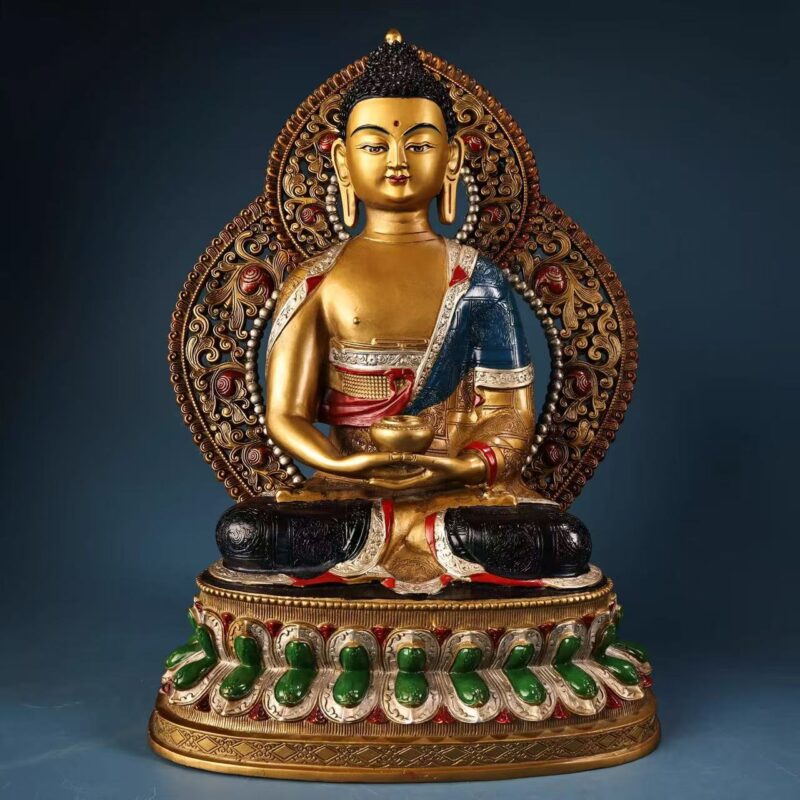
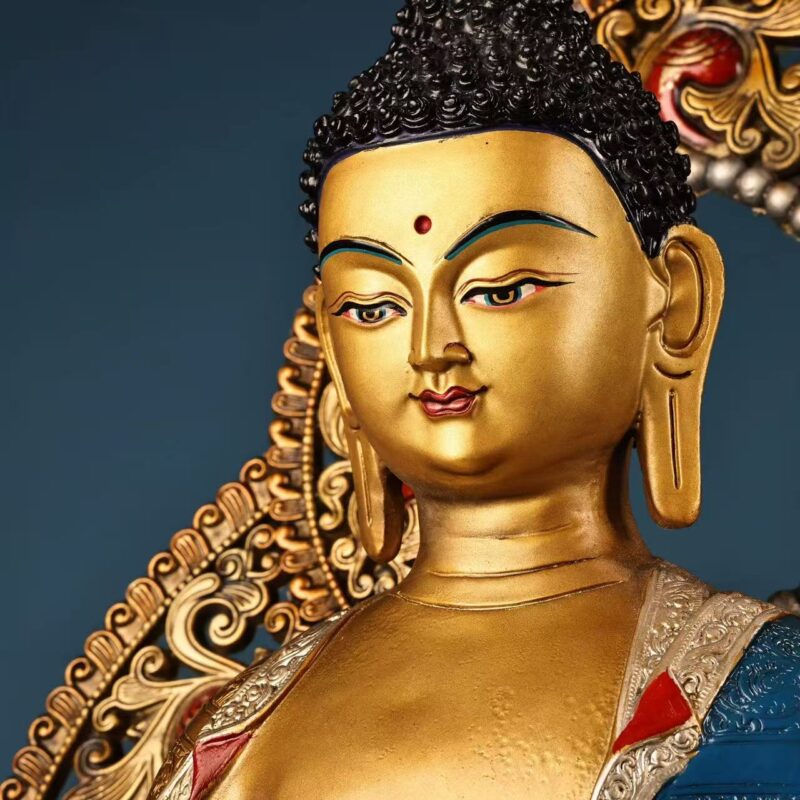
Large-Size Bronze Amitayus Buddha Statue, Tibet-Nepal Style – High-Relief Engraved, Polychrome & Gilded, Dignified Countenance
Original price was: $699.00.$499.00Current price is: $499.00.statue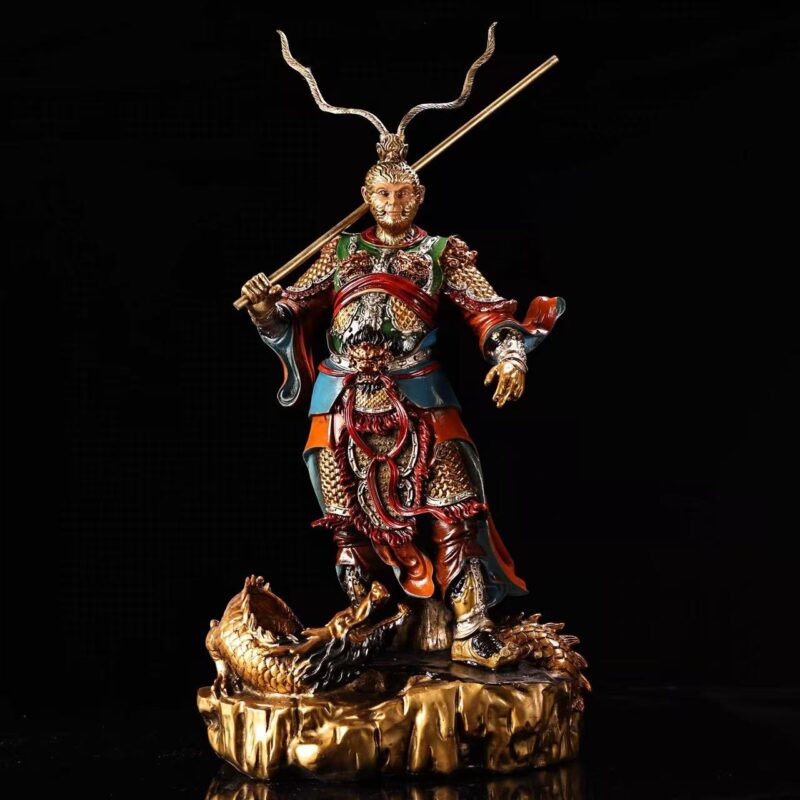
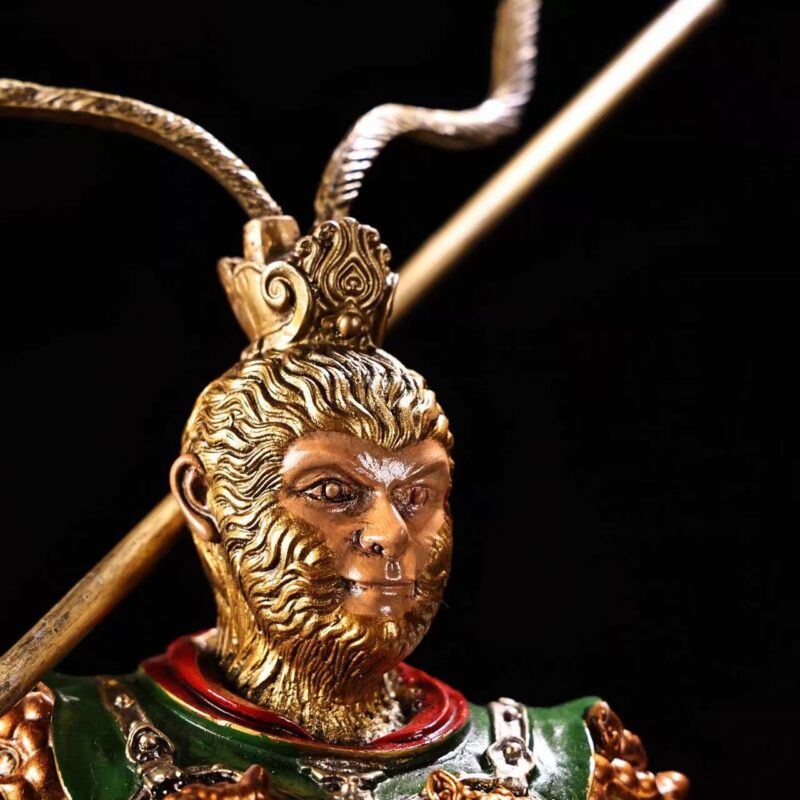
Large-Sized Bronze Statue of Sun Wukong (Handsome Monkey King), the Great Sage Equal to Heaven
Fengshui ornament, Handicrafts with Himalayan, Buddhist and Taoist Features of China, Best Sellers, New Arrivals
Original price was: $899.00.$669.00Current price is: $669.00.statue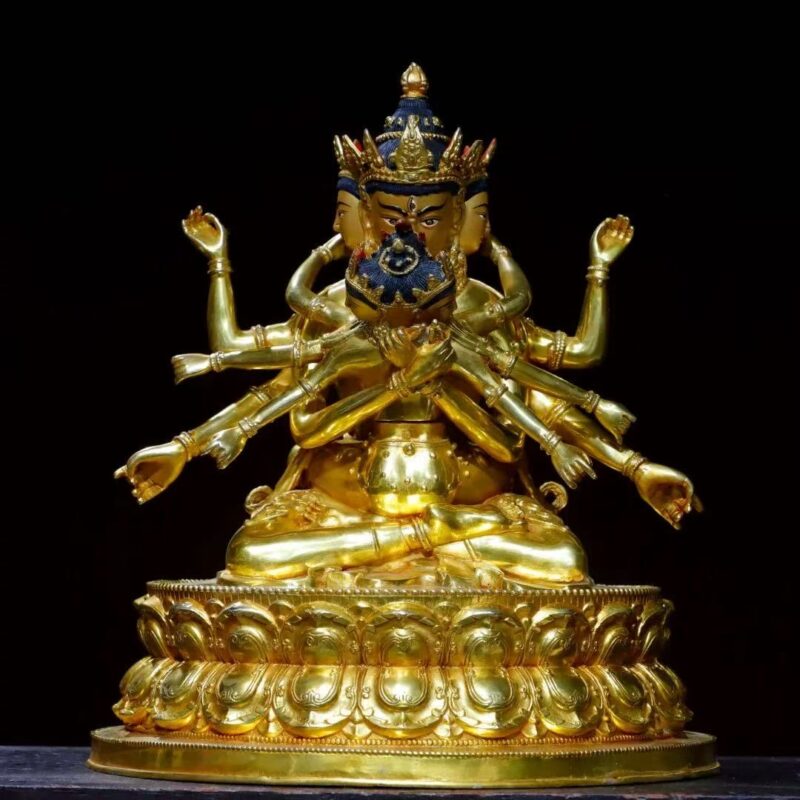
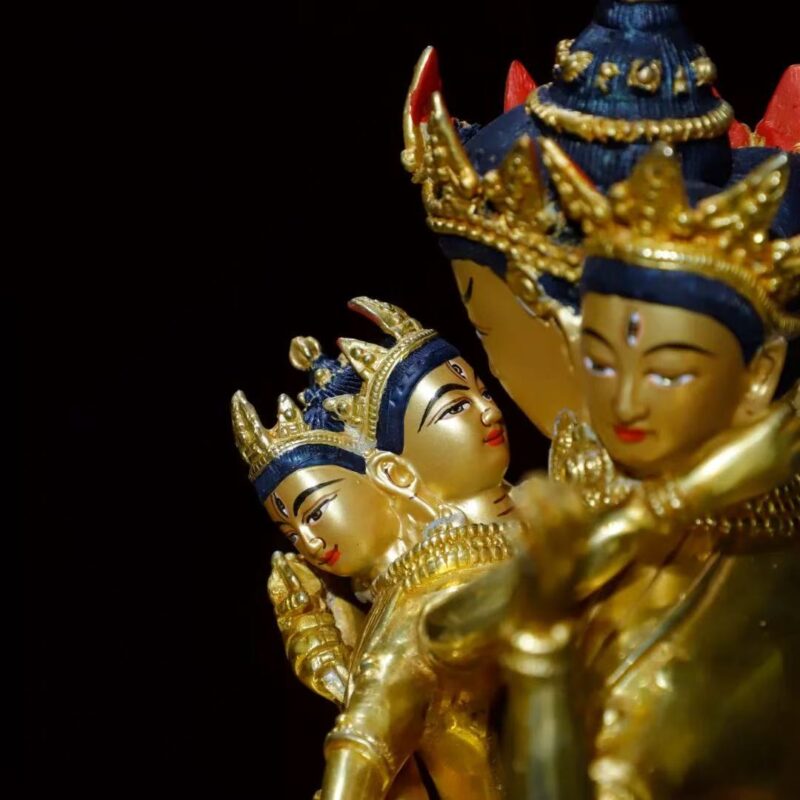
Lord of Mind Among Five Tantric Yidams, Full Bronze Gilt Three-Headed Guhyasamaja
Buddha statue, Handicrafts with Himalayan, Buddhist and Taoist Features of China, Best Sellers, New Arrivals
Original price was: $699.00.$499.00Current price is: $499.00.statue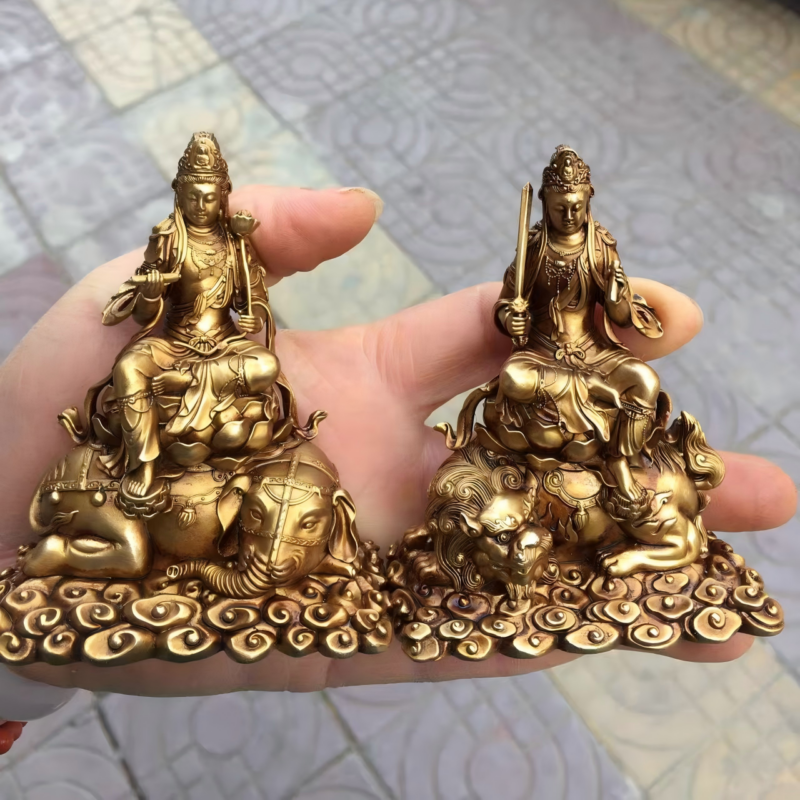
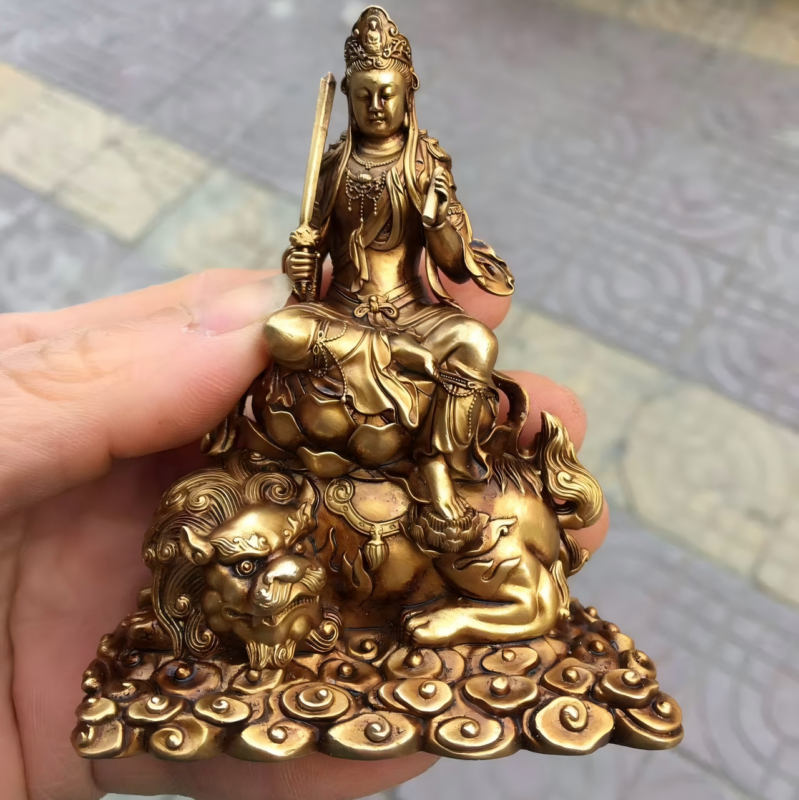
Manjushri & Samantabhadra, Miniature Bronze Statue Pair for Worship
Original price was: $399.00.$299.00Current price is: $299.00.set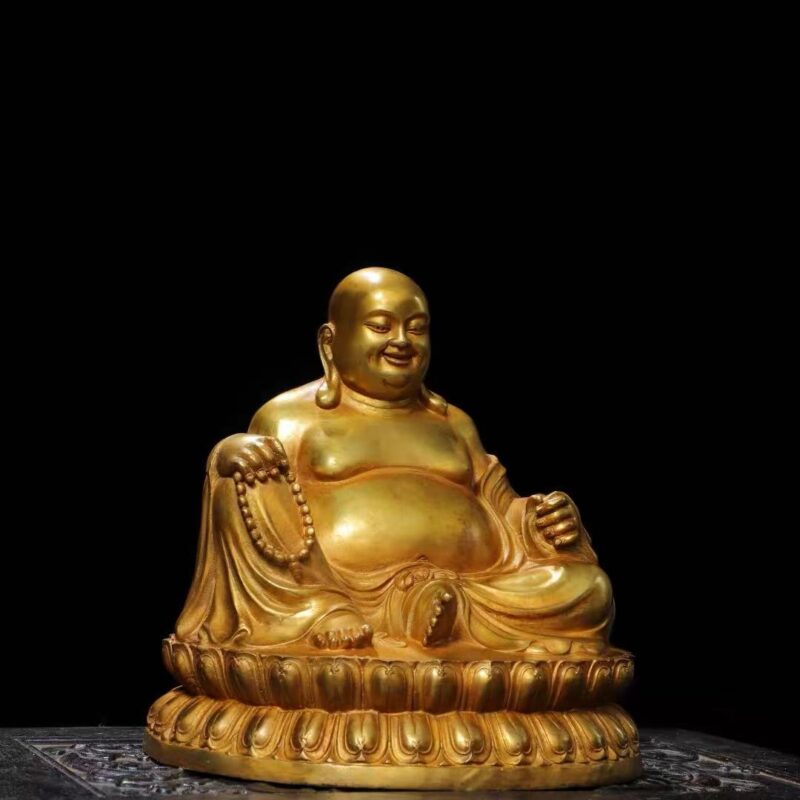
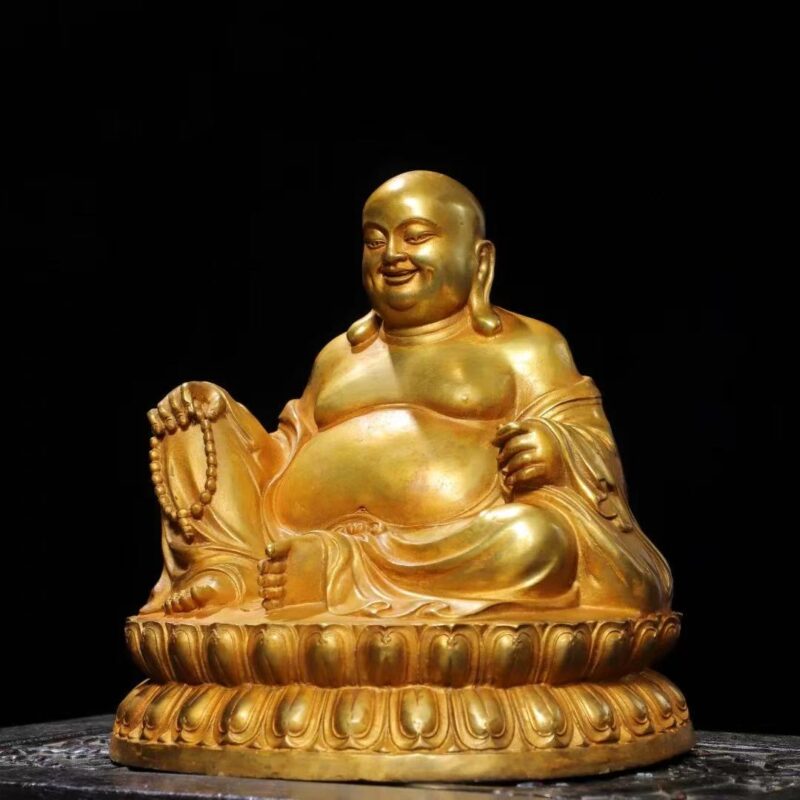
Ming-Qing Style Archaistic Full Gilt Bronze Relaxed Seated Budai Maitreya on Double Lotus Base, Joy Auspicious Collectible Worship Statue
Original price was: $459.00.$329.00Current price is: $329.00.statue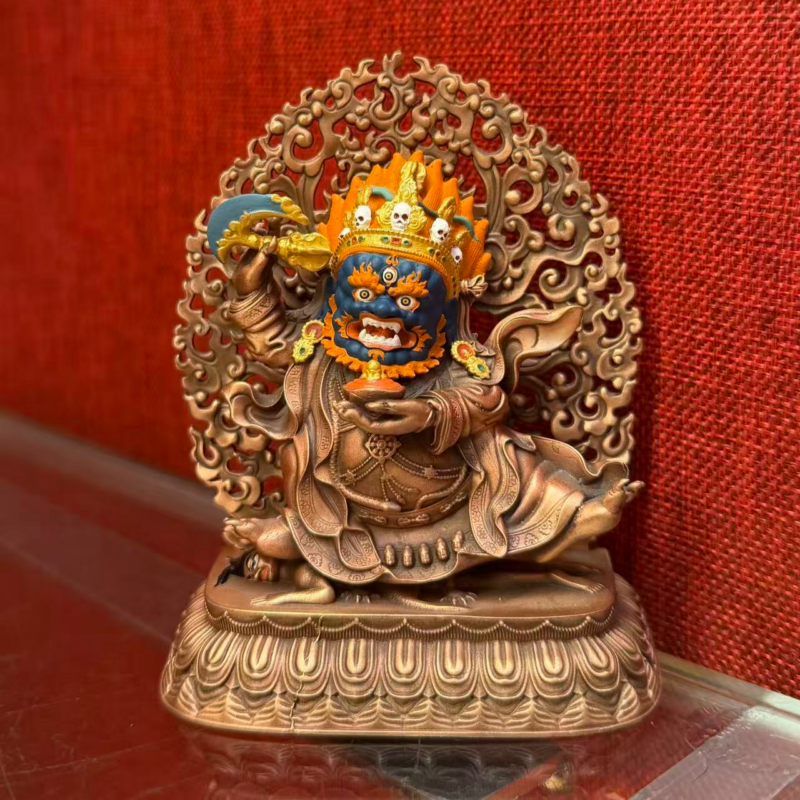
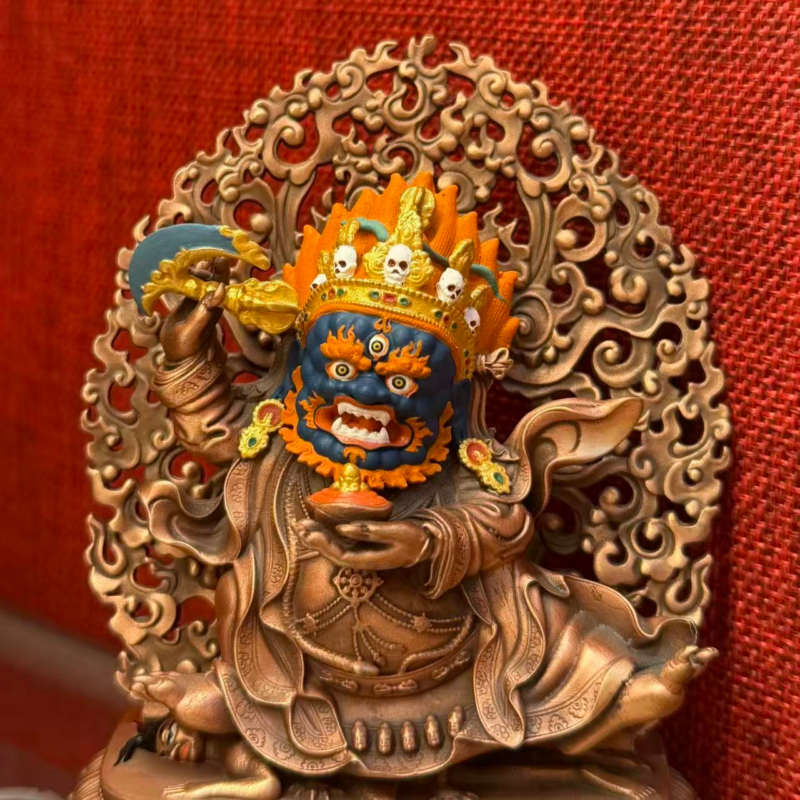
Mini Polychrome Bronze Two-Armed Black-Robed Mahakala Tabletop Altar Statue
Buddha statue, Handicrafts with Himalayan, Buddhist and Taoist Features of China, Best Sellers, New Arrivals
Original price was: $279.00.$199.00Current price is: $199.00.statue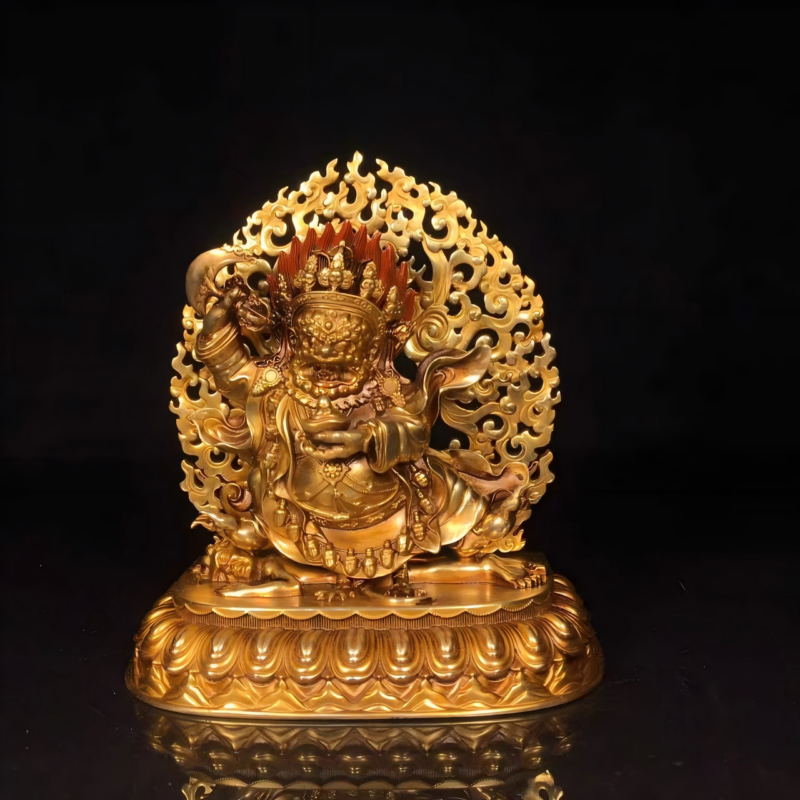
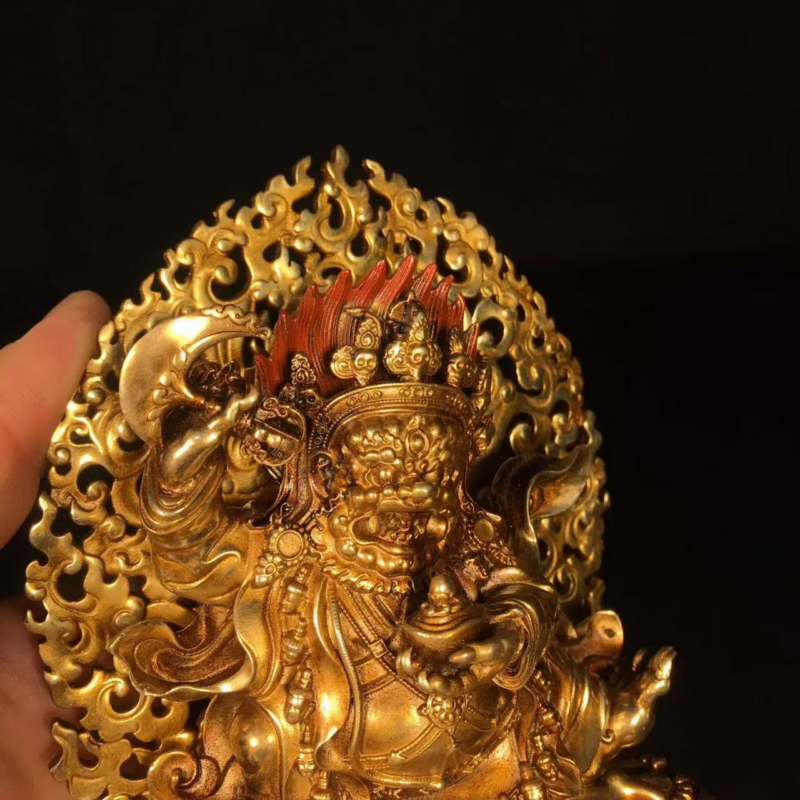
Museum Replica: Gilded Bronze Two-Armed Mahakala/Mahākāla (Bernagchen), The Exclusive Protector of Karma Kagyu
Buddha statue, Handicrafts with Himalayan, Buddhist and Taoist Features of China, Best Sellers, New Arrivals
Original price was: $499.00.$329.00Current price is: $329.00.statue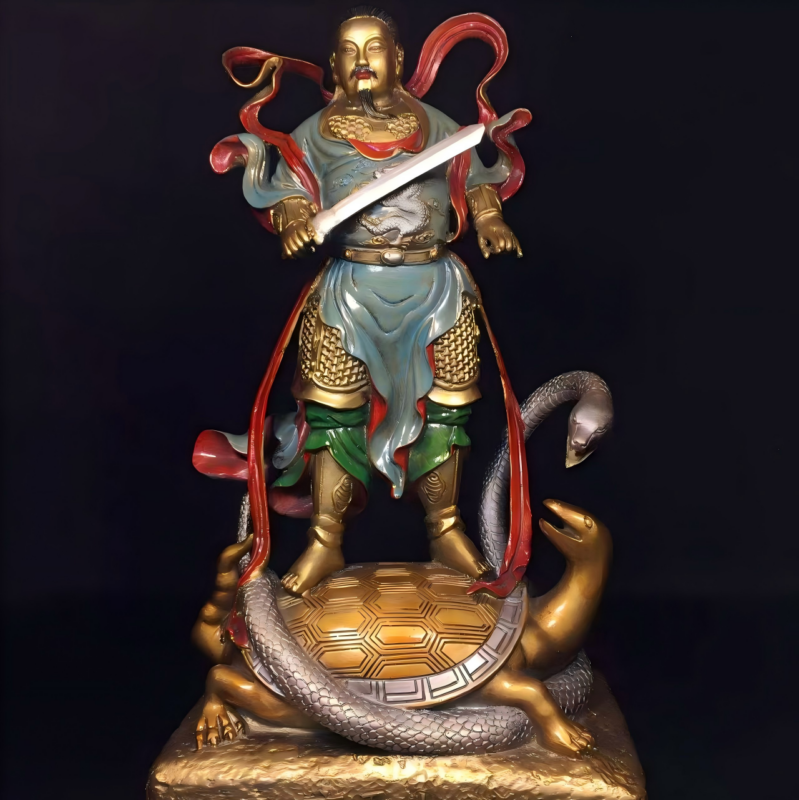
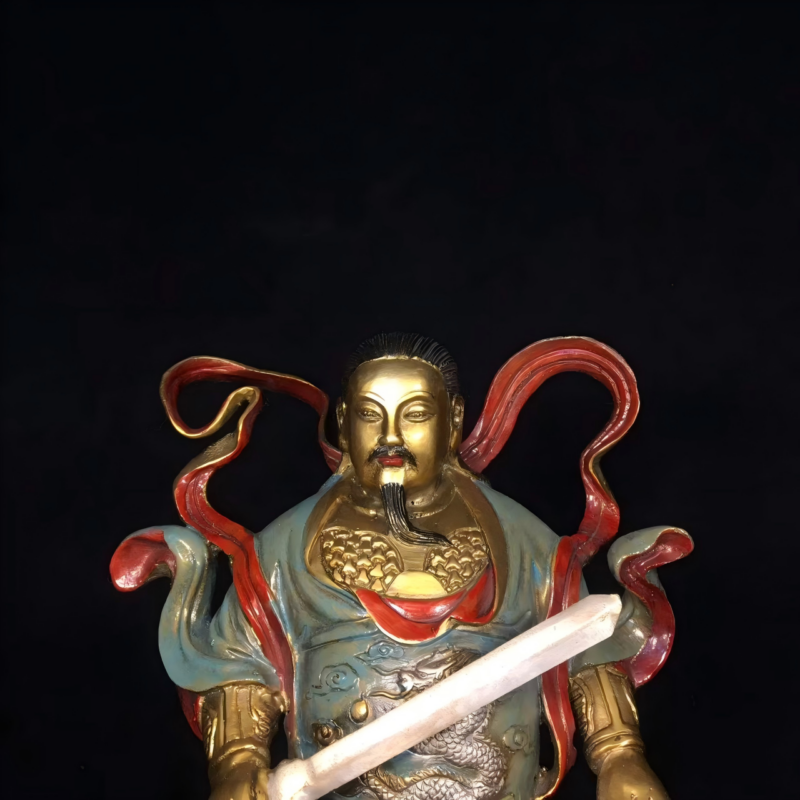
Museum-Grade Bronze Mineral Polychrome Standing Zhenwu Statue on Turtle-Snake
Original price was: $599.00.$439.00Current price is: $439.00.statue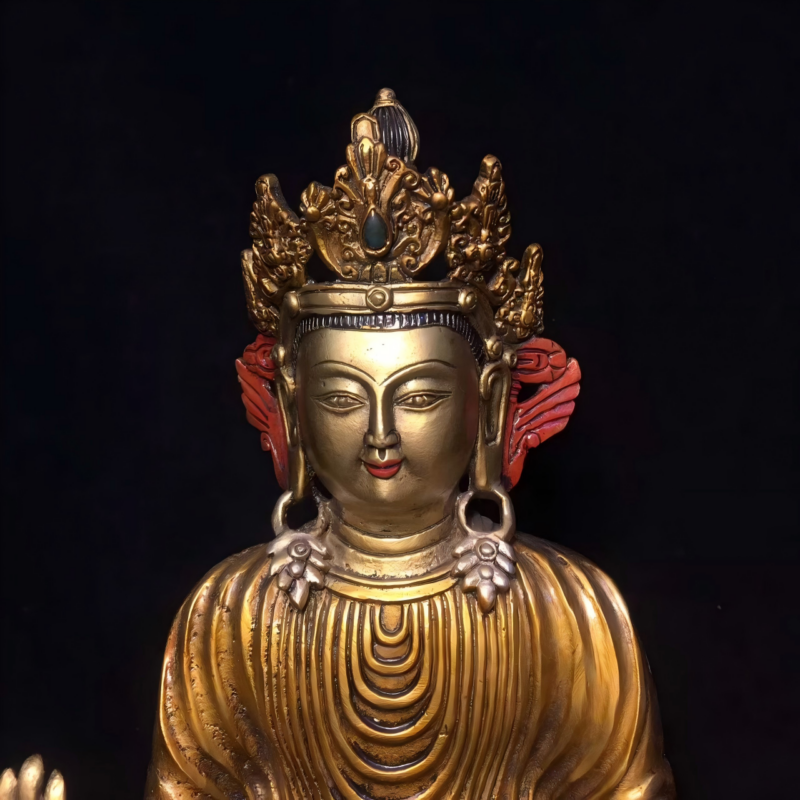
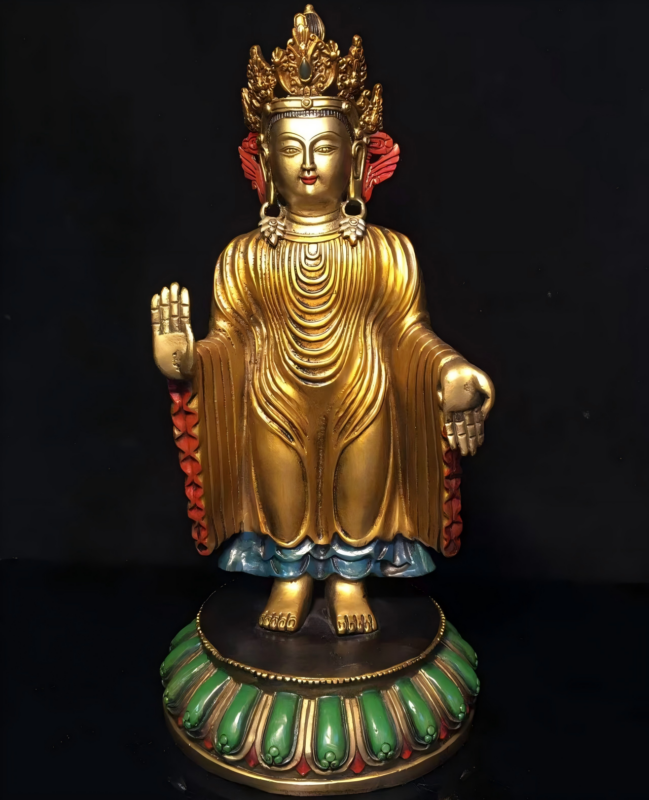
Museum-Grade Polychrome Gilded Bronze Standing Candana Buddha, Modelled after Northern Wei Dynasty stylistic canon
Buddha statue, Handicrafts with Himalayan, Buddhist and Taoist Features of China, Best Sellers, New Arrivals
Original price was: $399.00.$309.00Current price is: $309.00.statue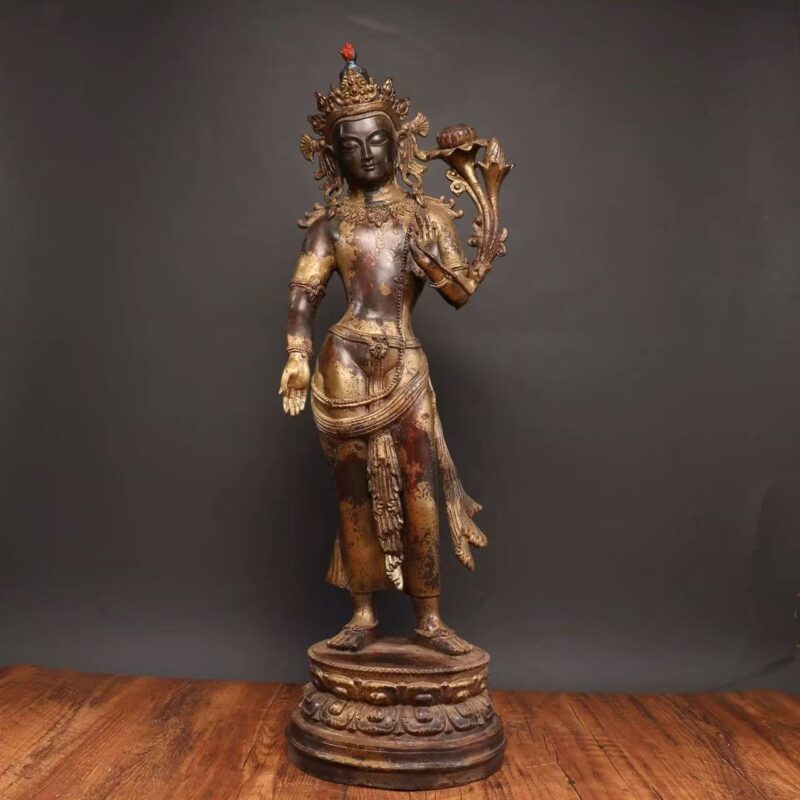
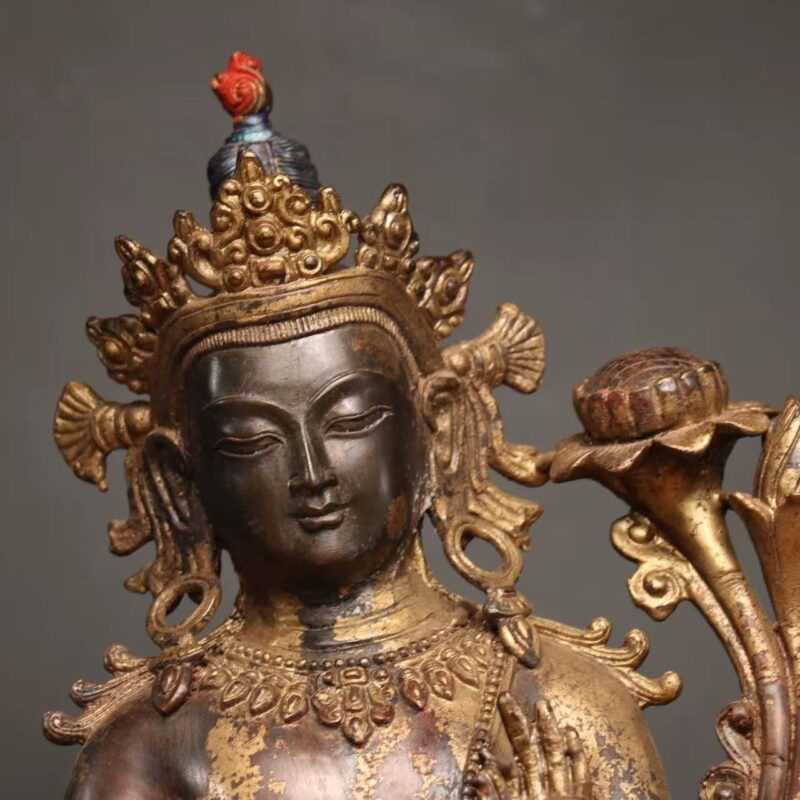
Newar Style Standing Maitreya (Jampa) Sculpture with Abhaya Mudra & Holding Lotus
Original price was: $1,199.00.$879.00Current price is: $879.00.statue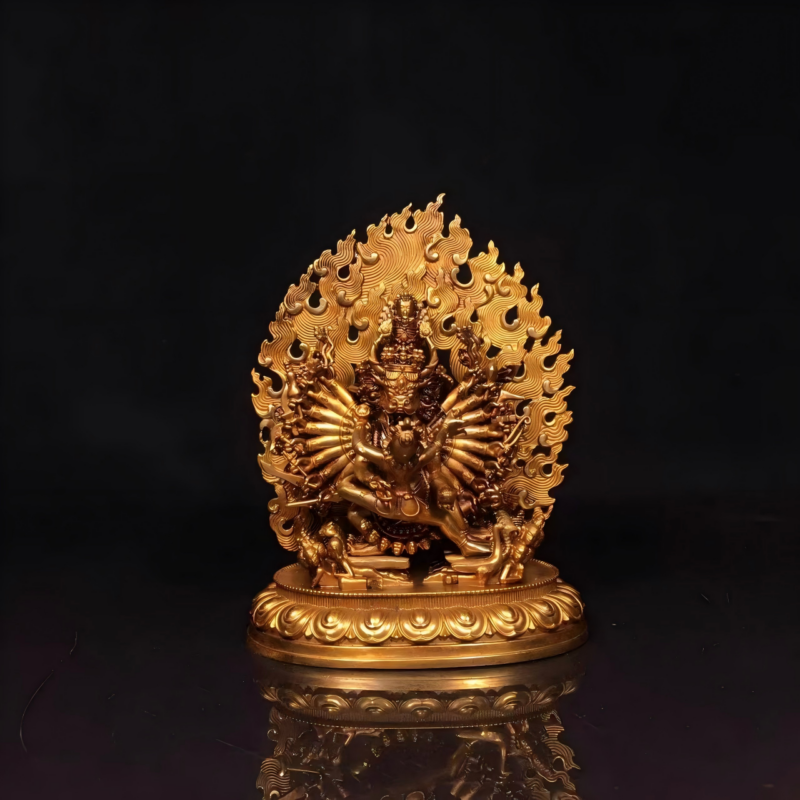
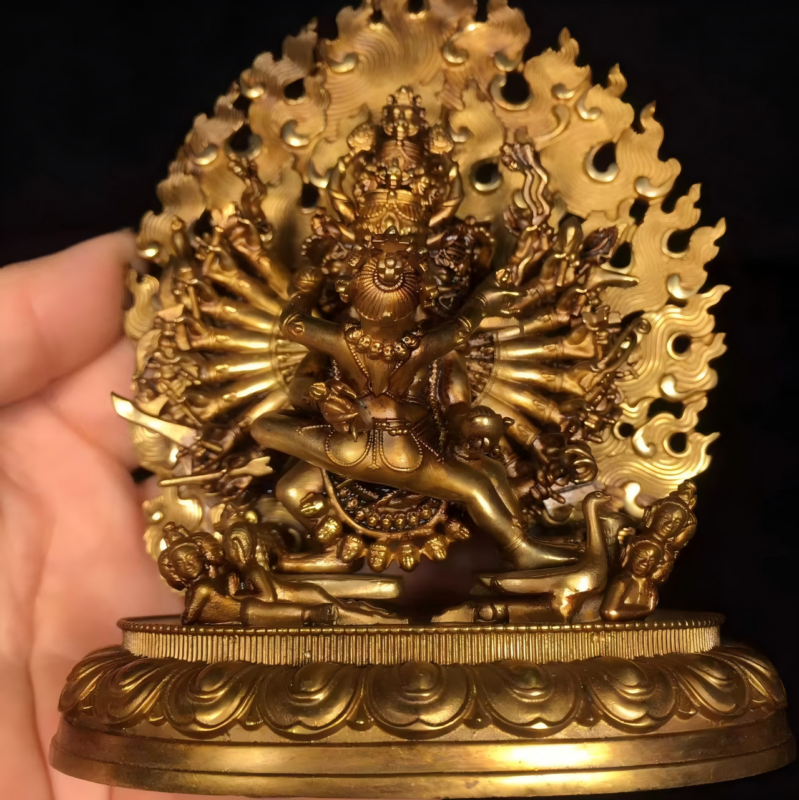
Nine-Headed Thirty-Four-Armed Yamantaka, Yab-Yum Statue of Unified Compassion and Wisdom
Buddha statue, Handicrafts with Himalayan, Buddhist and Taoist Features of China, Best Sellers, New Arrivals
Original price was: $399.00.$329.00Current price is: $329.00.statue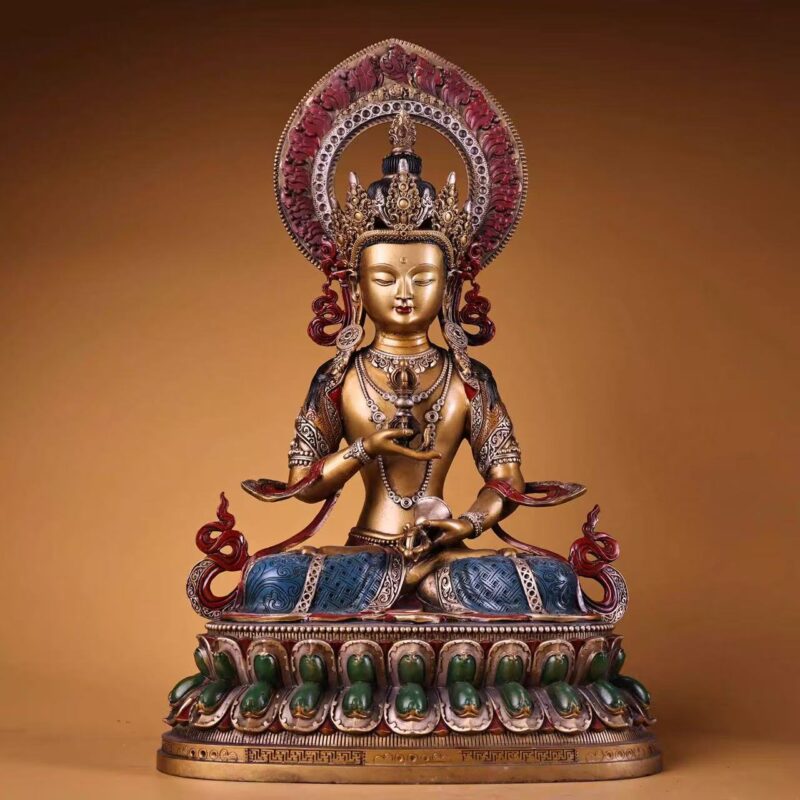
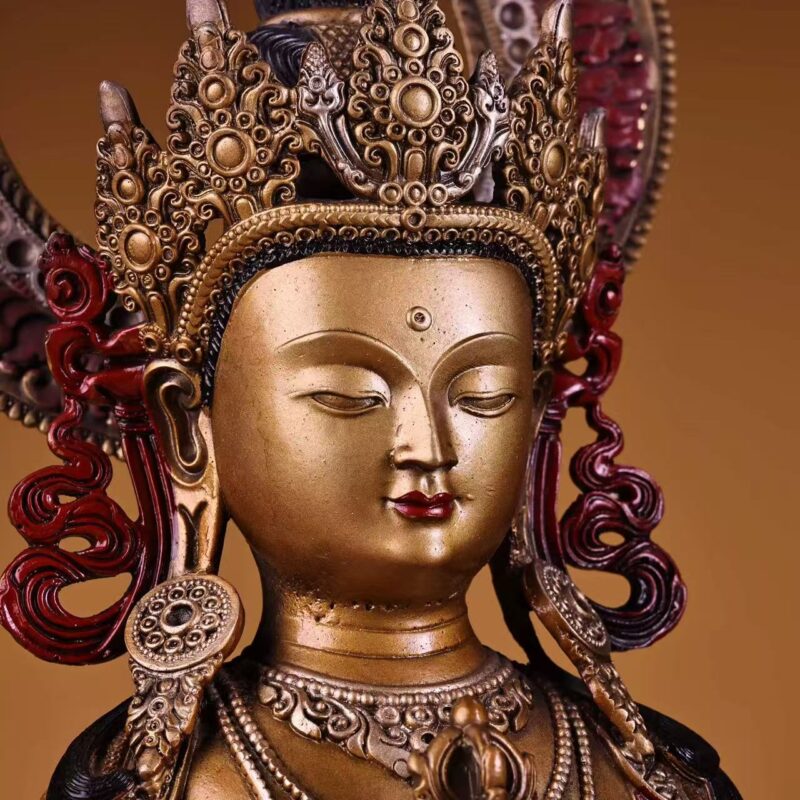
Non-Duality Wisdom-Compassion Vajrasattva Buddha Holding Vajra & Bell on Double Lotus Throne, Hand-Chiseled Gilded Collectible Grade Himalayan Art Statue
Original price was: $899.00.$739.00Current price is: $739.00.statue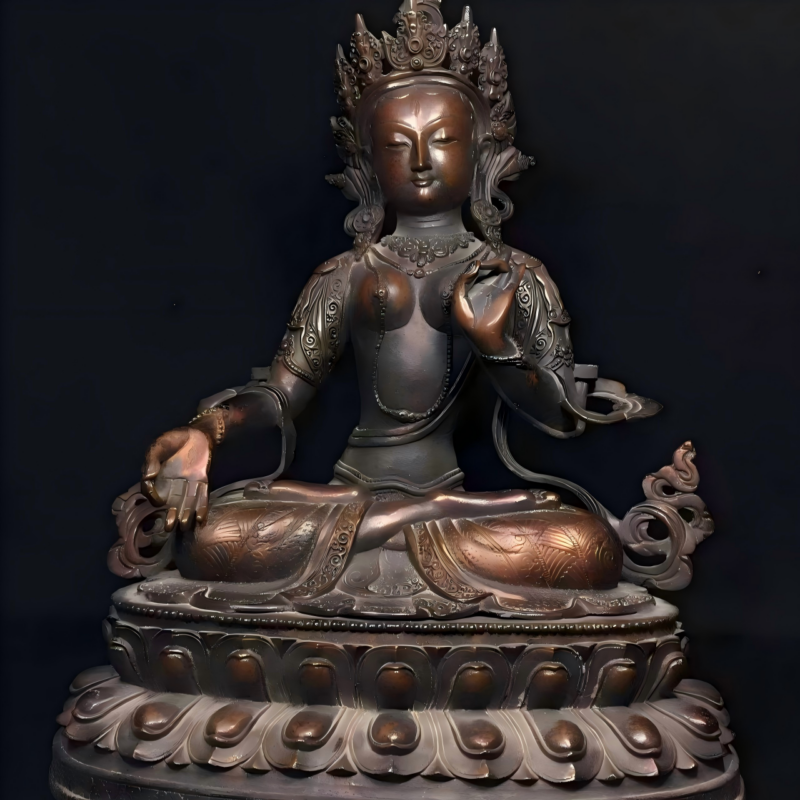
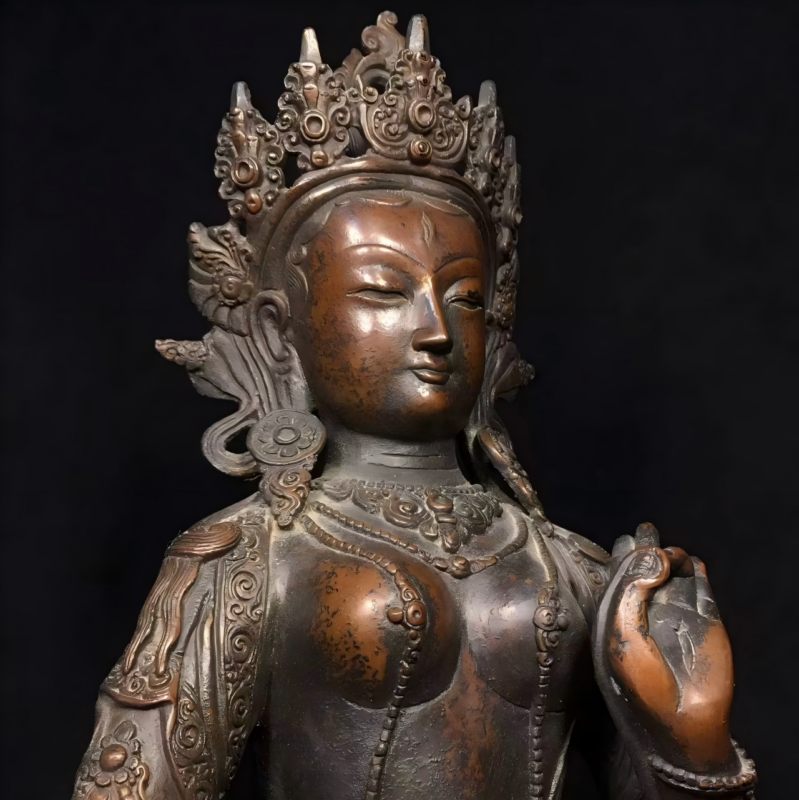
Oversized Aged Gilt Bronze White Tara Statue, Tibetan-Nepalese Craft
Buddha statue, Handicrafts with Himalayan, Buddhist and Taoist Features of China, Best Sellers, New Arrivals
Original price was: $499.00.$399.00Current price is: $399.00.statue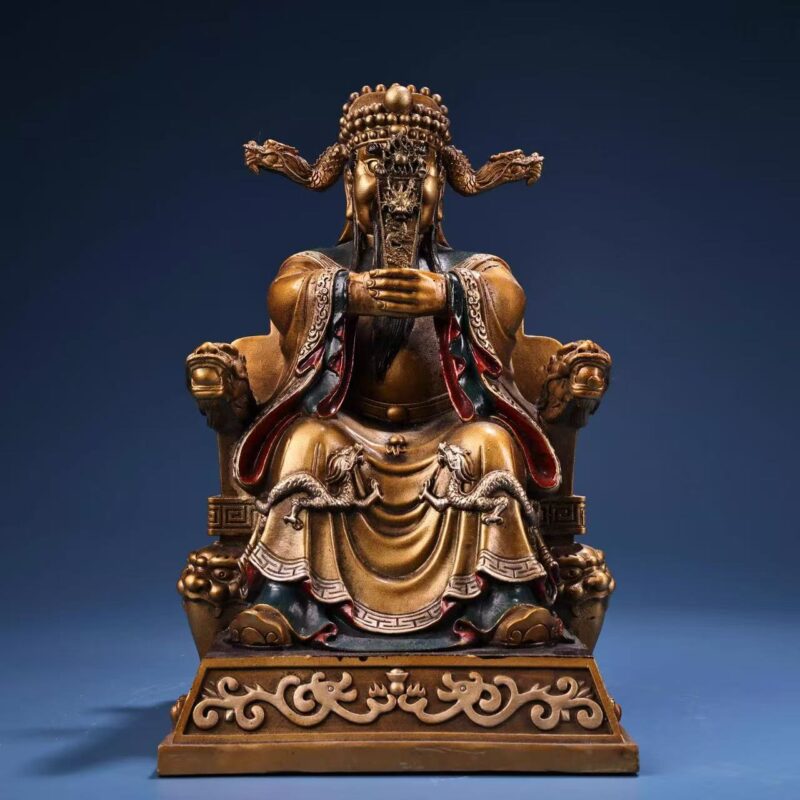
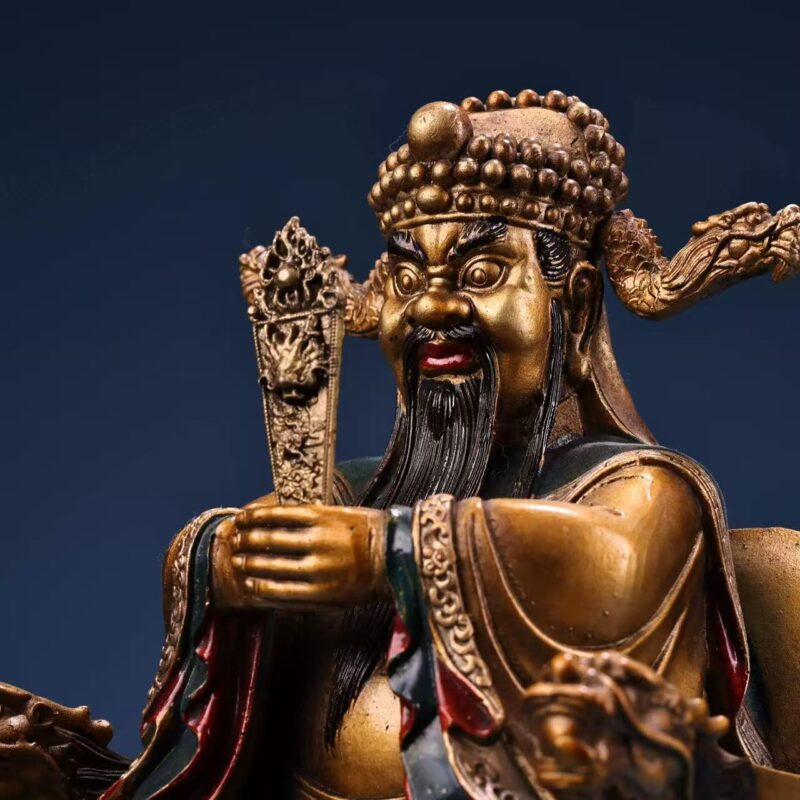
Painted & Gilded Bronze Seated Statue of Guangji Dragon King Wuye
Fengshui ornament, Handicrafts with Himalayan, Buddhist and Taoist Features of China, Other Handicrafts with Traditional Chinese Taoist Cultural Elements, Best Sellers, New Arrivals
Original price was: $369.00.$289.00Current price is: $289.00.statue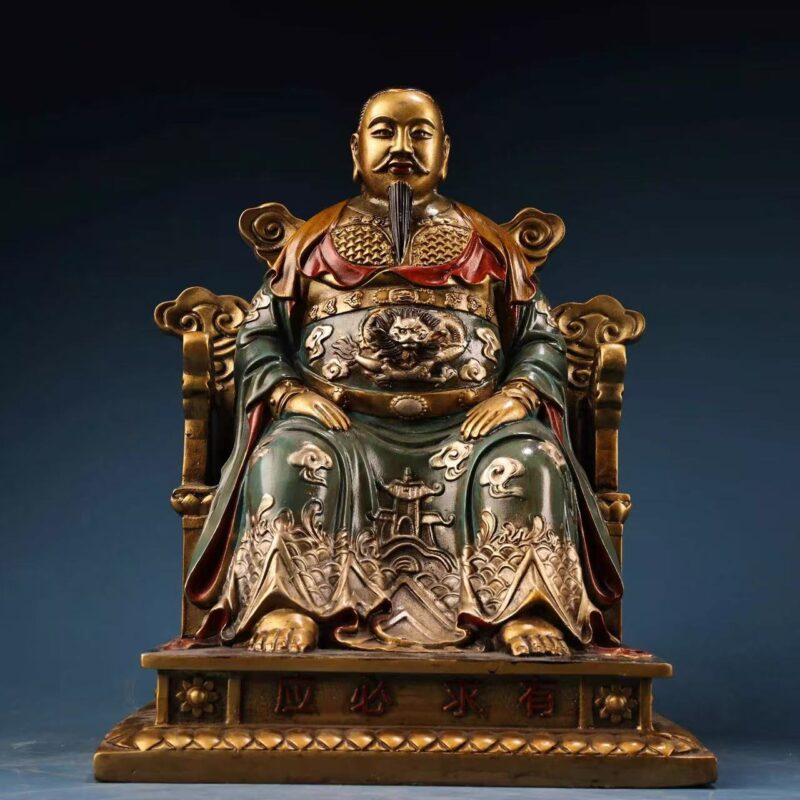
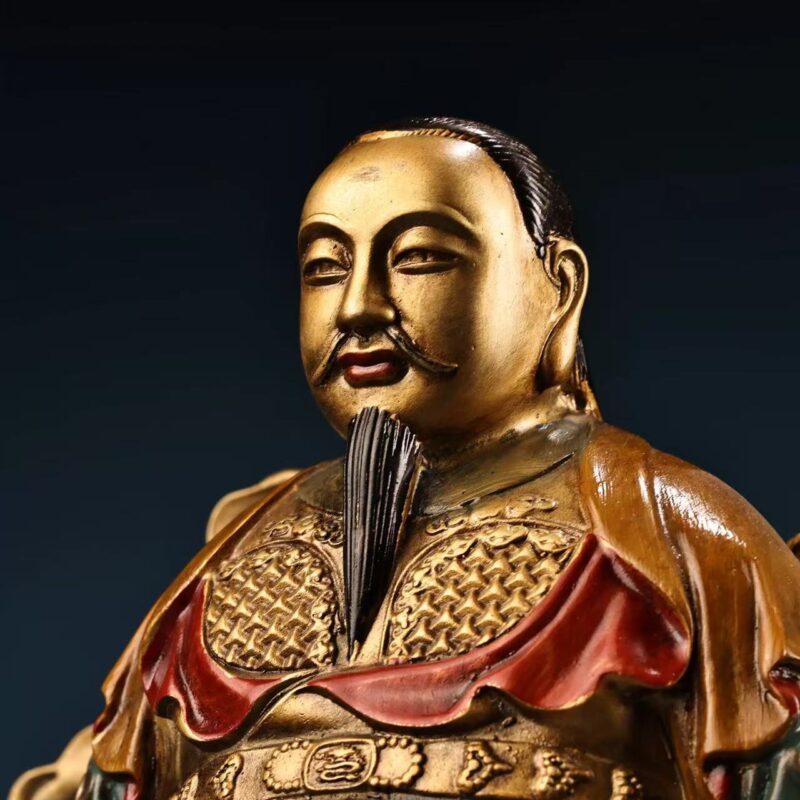
Painted & Gilded Bronze Seated Statue of Supreme Lord of the Dark Heaven (Emperor Zhenwu) on Dragon Throne
Fengshui ornament, Handicrafts with Himalayan, Buddhist and Taoist Features of China, Best Sellers, New Arrivals
Original price was: $429.00.$329.00Current price is: $329.00.statue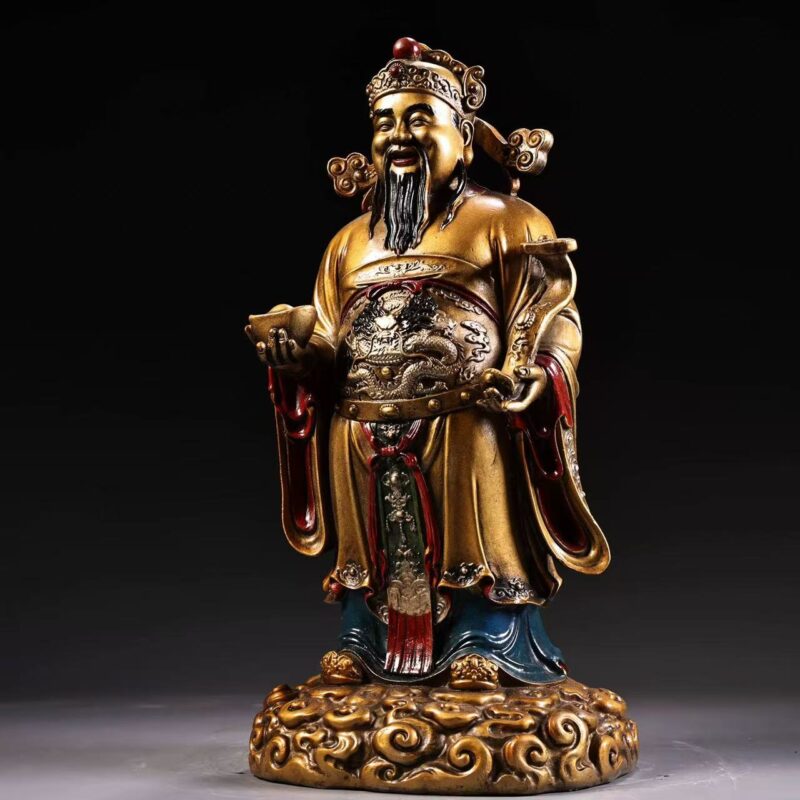
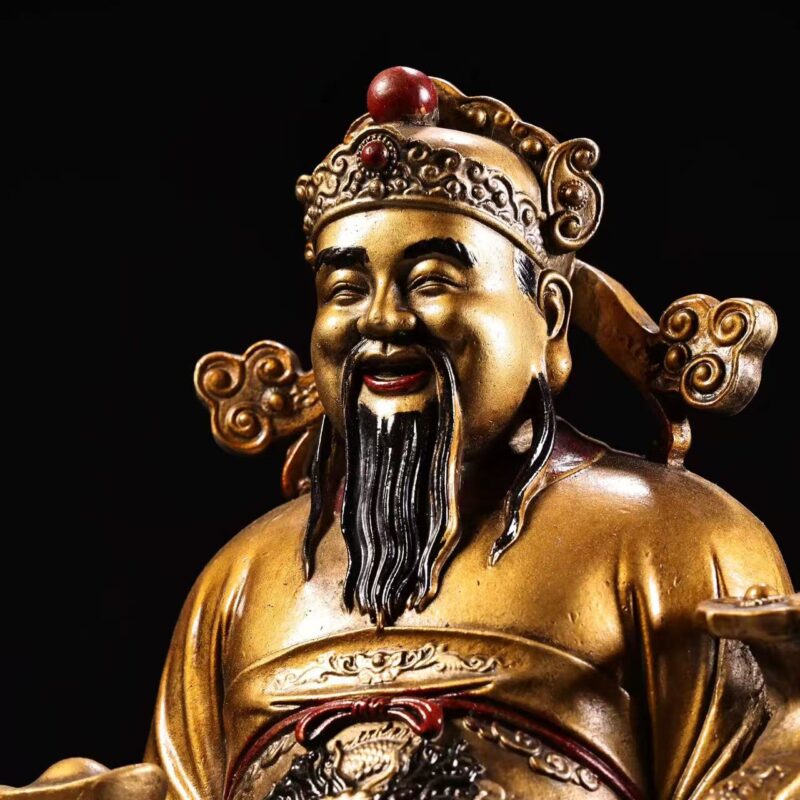
Painted & Gilded Bronze Standing Statue of God of Wealth, Holding Ingot & Ruyi Scepter
Fengshui ornament, Handicrafts with Himalayan, Buddhist and Taoist Features of China, Best Sellers, New Arrivals
Original price was: $359.00.$279.00Current price is: $279.00.statue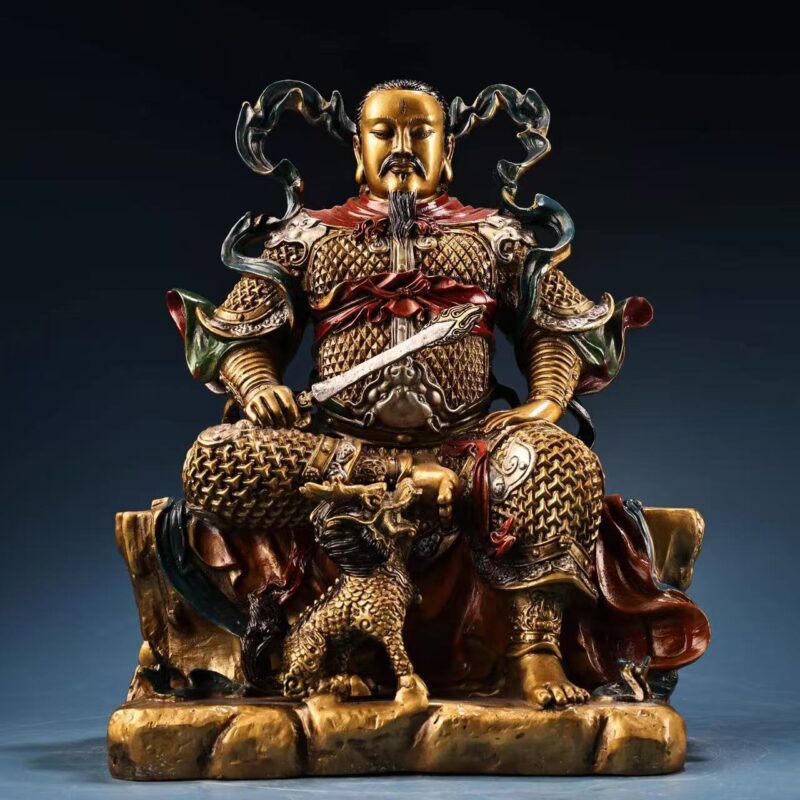
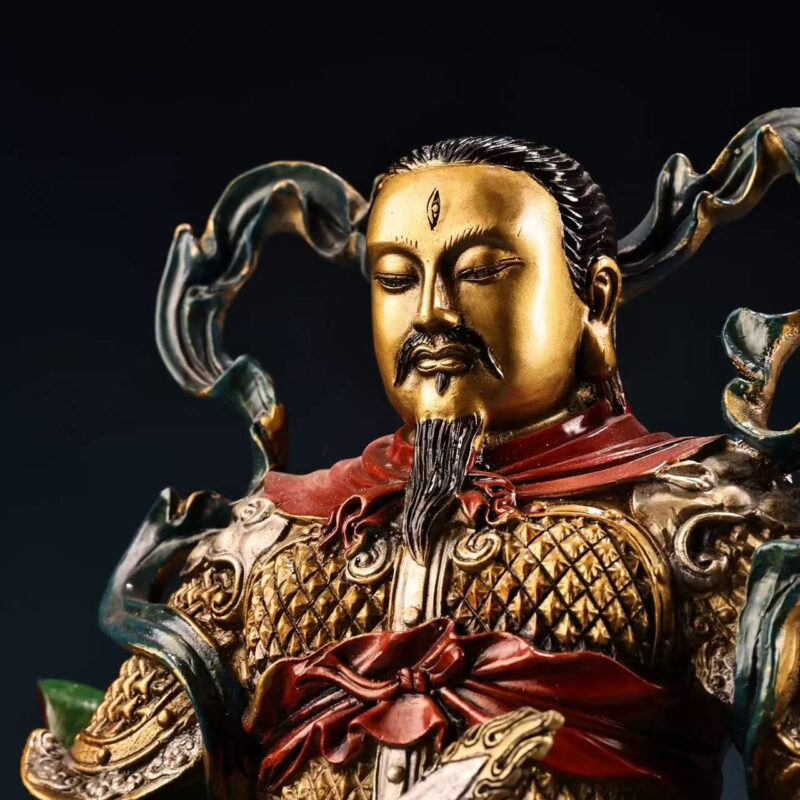
Painted Gilded Bronze Seated Emperor Zhenwu Statue, Worship Ornament with Side Qilin Auspicious Beast for Home Shrine
Fengshui ornament, Handicrafts with Himalayan, Buddhist and Taoist Features of China, Best Sellers, New Arrivals
Original price was: $599.00.$489.00Current price is: $489.00.statue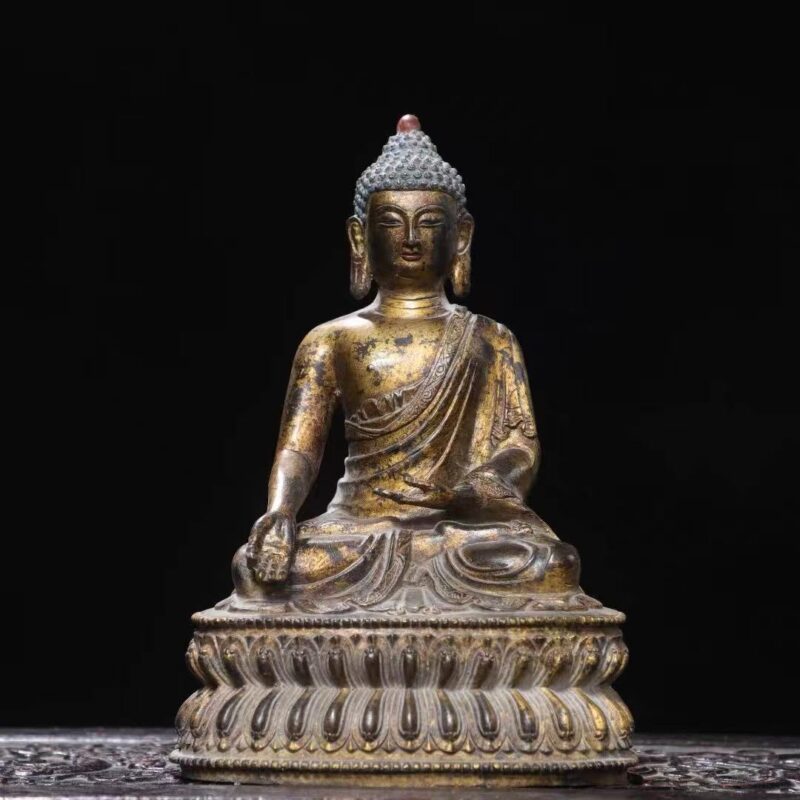
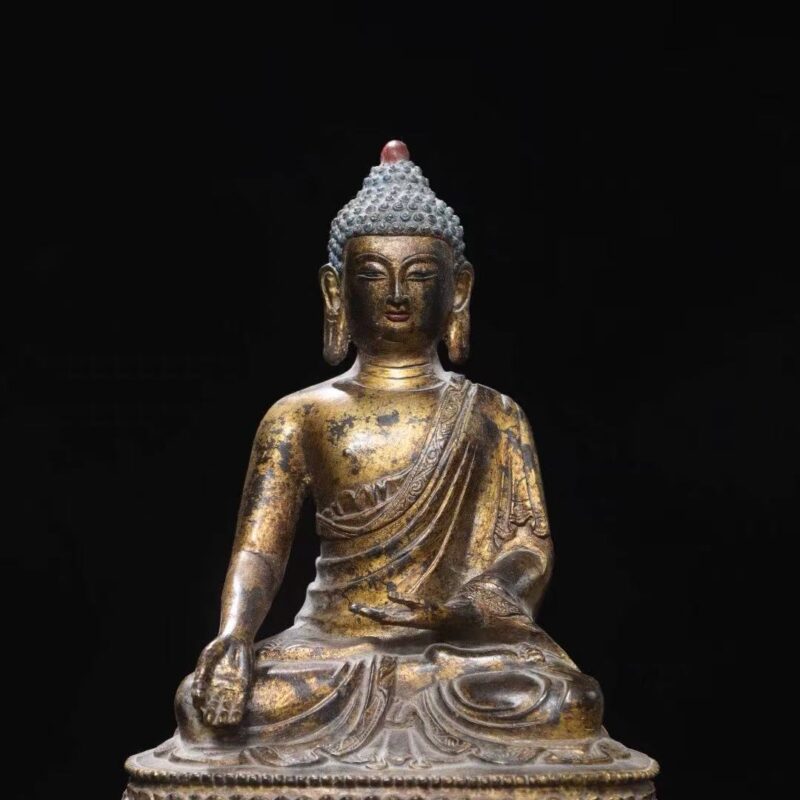
Patinated Bronze Amitabha Buddha Icon, Ming Dynasty Han-Tibetan Syncretic Style
Buddha statue, Handicrafts with Himalayan, Buddhist and Taoist Features of China, Best Sellers, New Arrivals
Original price was: $299.00.$239.00Current price is: $239.00.statue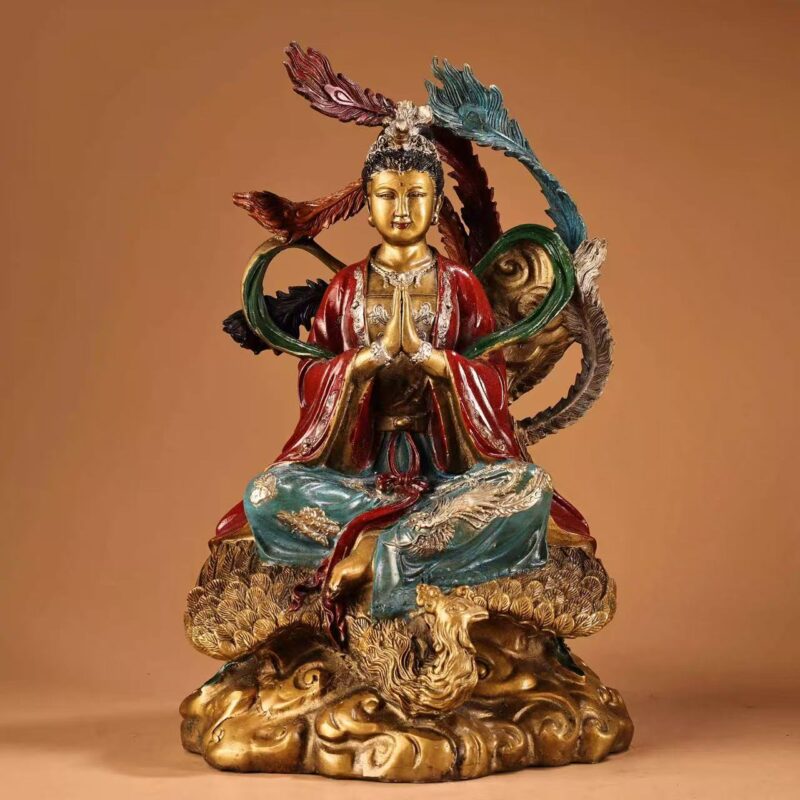
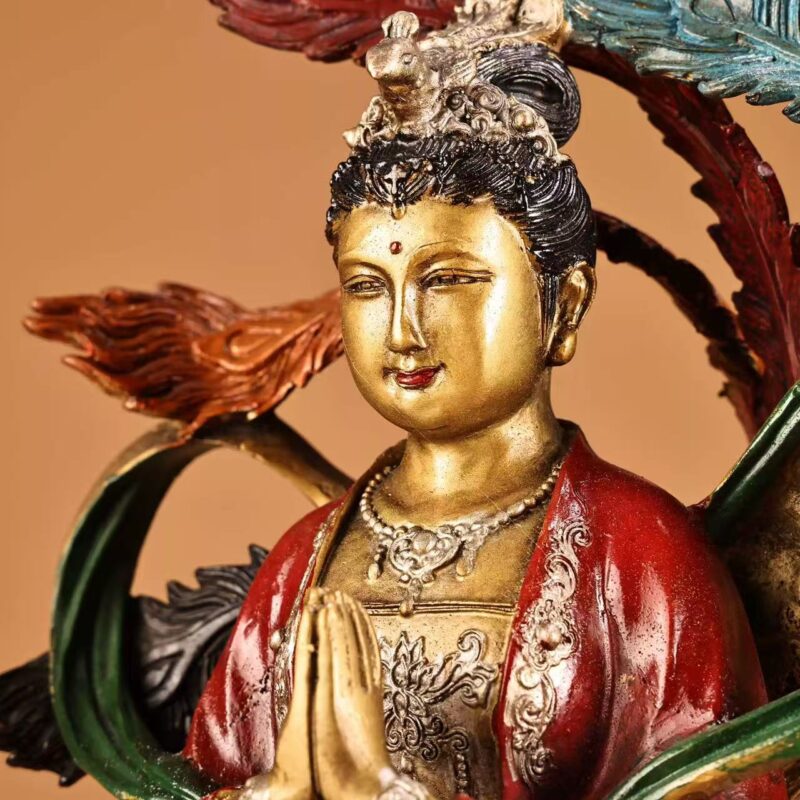
Polychrome Bronze Seated ‘Jiu Tian Xuan Nü’ (Empress of the Nine Heavens) on Peacock Mount
Fengshui ornament, Handicrafts with Himalayan, Buddhist and Taoist Features of China, Best Sellers, New Arrivals
Original price was: $699.00.$549.00Current price is: $549.00.statue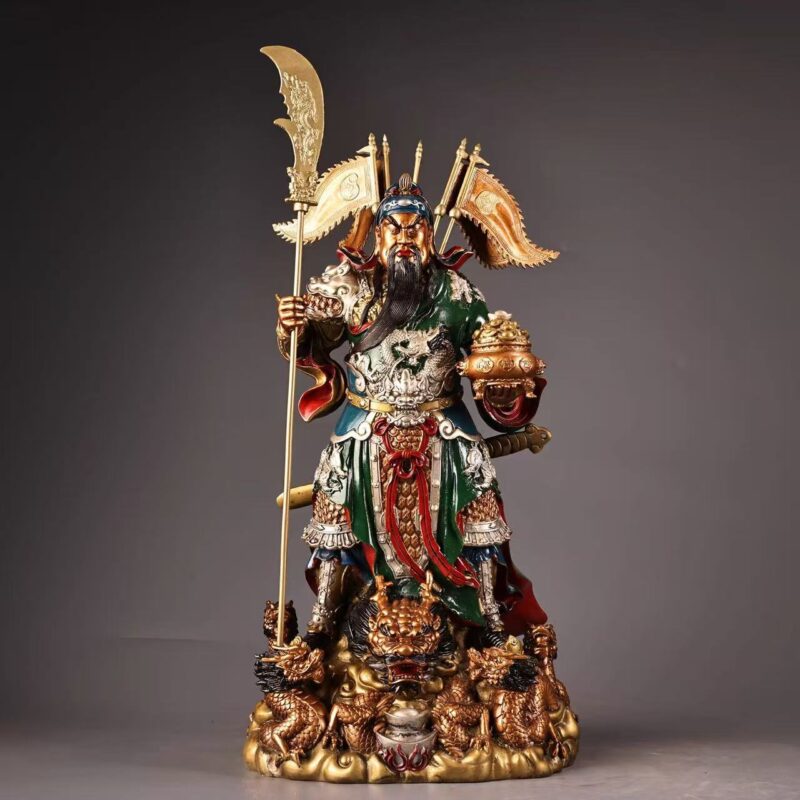
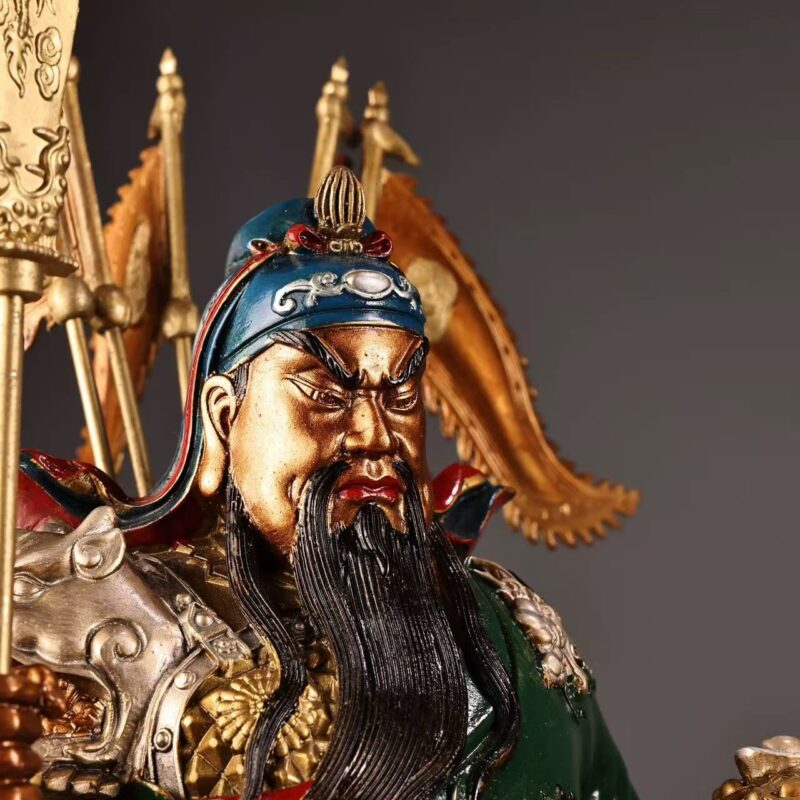
Polychrome Bronze Standing Statue of Lord Guan with 5 Dragons Base, Holding Guandao & Treasure Bowl, 5 Directional Banners on Back
Fengshui ornament, Handicrafts with Himalayan, Buddhist and Taoist Features of China, Best Sellers, New Arrivals
Original price was: $699.00.$549.00Current price is: $549.00.statue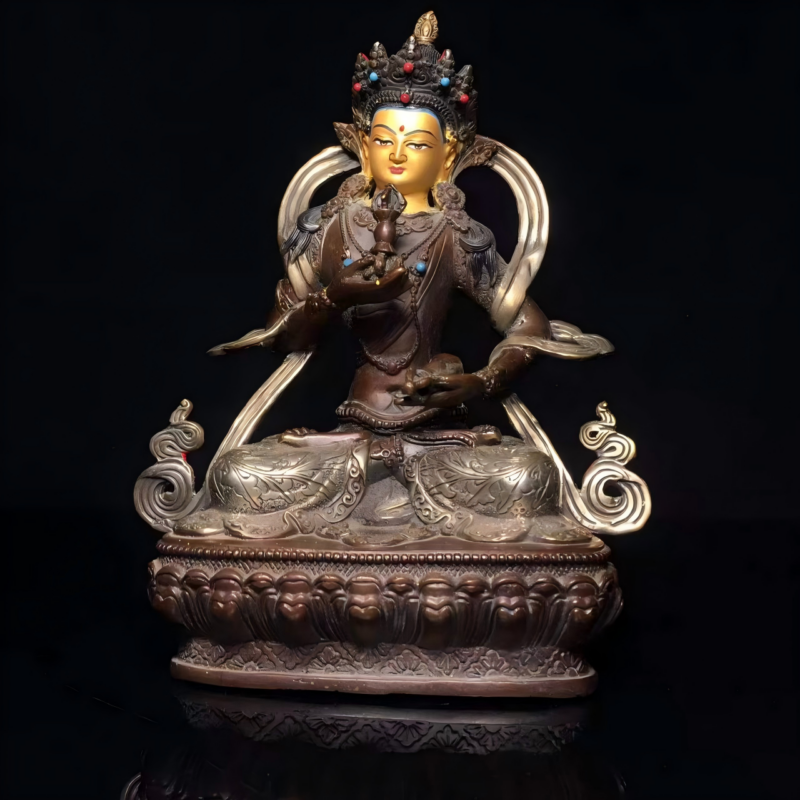
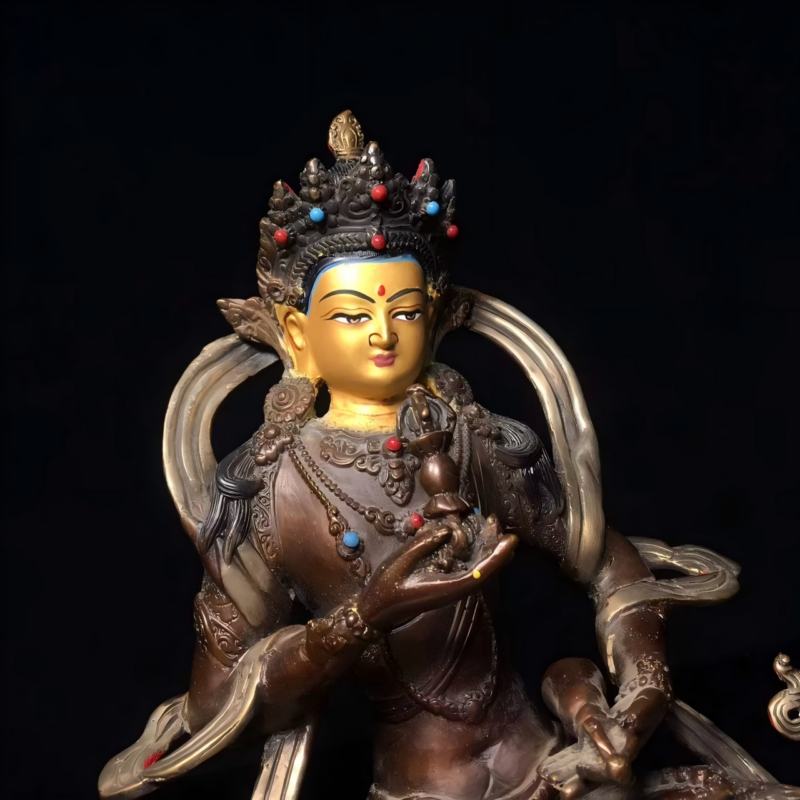
Premium Bronze Gilt & Silver Vajrasattva Statue – Sacred Emanation of Primordial Buddhahood, Tibetan Altar Piece for Purification & Spiritual Protection
Buddha statue, Handicrafts with Himalayan, Buddhist and Taoist Features of China, Best Sellers, New Arrivals
Original price was: $299.00.$239.00Current price is: $239.00.statue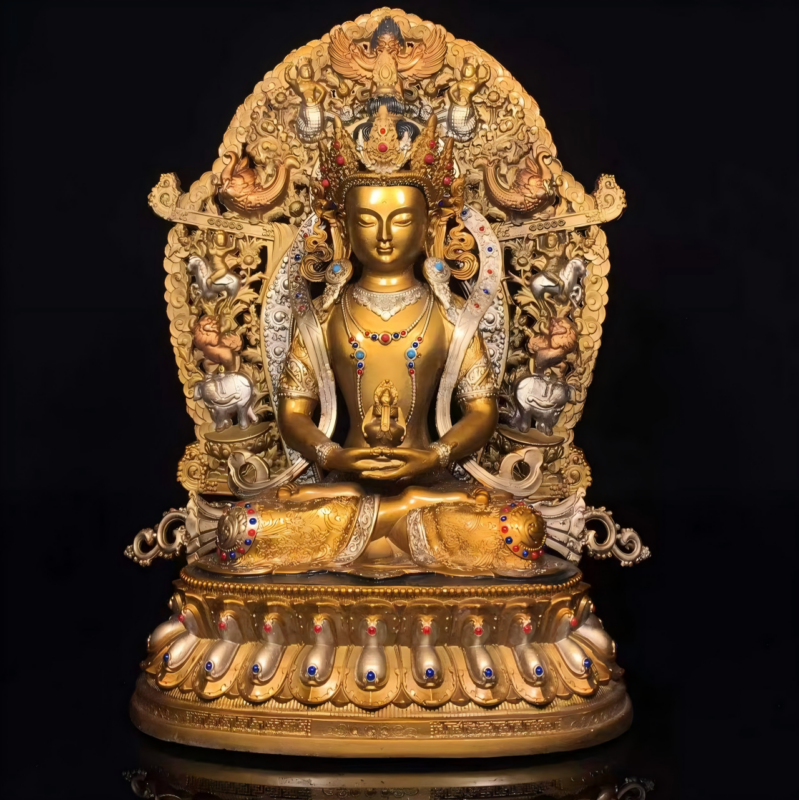
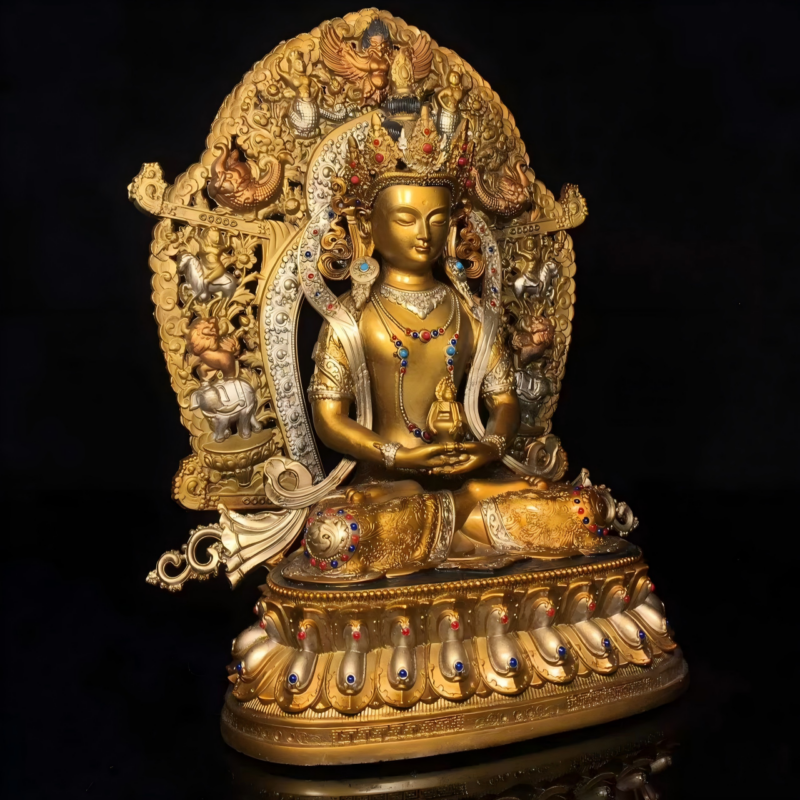
Premium Gilt Polychrome Bronze Amitayus Buddha Statue with Mandorla Backlight – Handcrafted Tibetan Buddhist Altar Piece for Longevity Blessings & Spiritual Decor
Buddha statue, Handicrafts with Himalayan, Buddhist and Taoist Features of China, Best Sellers, New Arrivals
Original price was: $399.00.$299.00Current price is: $299.00.statue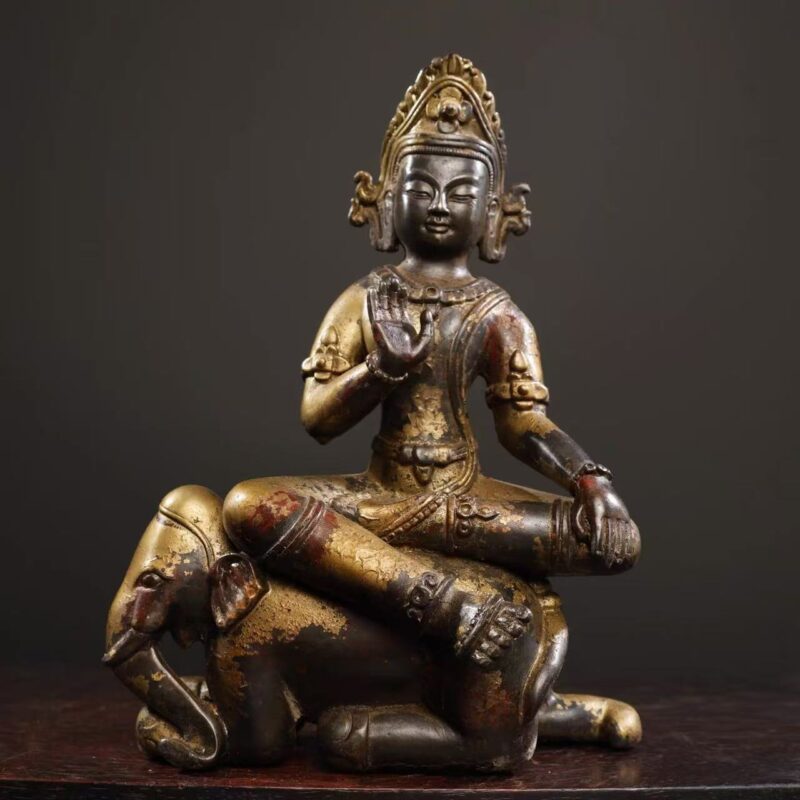
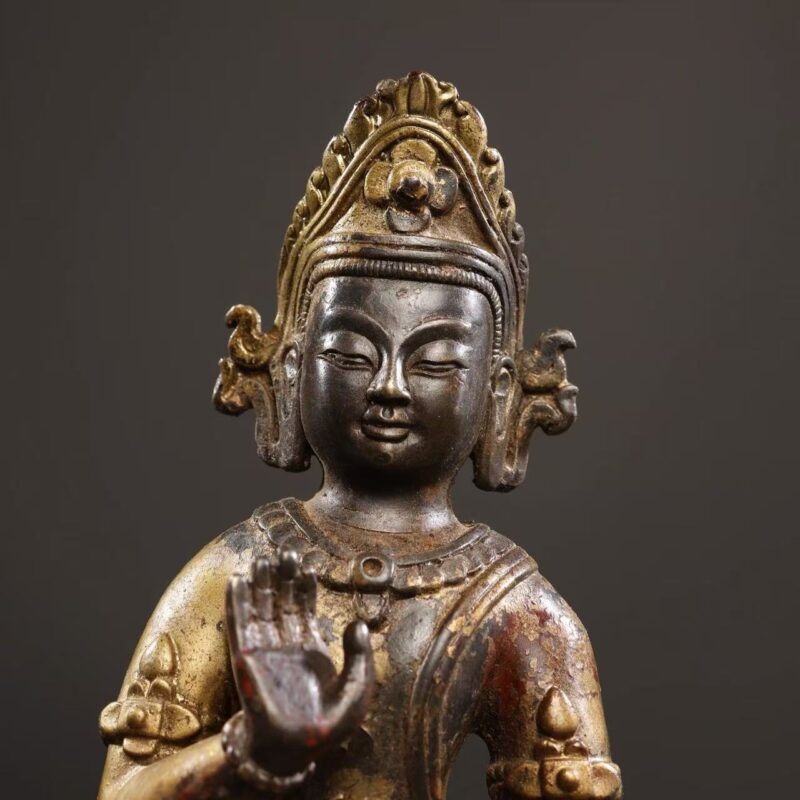
Samantabhadra Bodhisattva Statue with Traditional Paste Gilding on Aged Bronze
Buddha statue, Handicrafts with Himalayan, Buddhist and Taoist Features of China, Best Sellers, New Arrivals
Original price was: $399.00.$299.00Current price is: $299.00.statue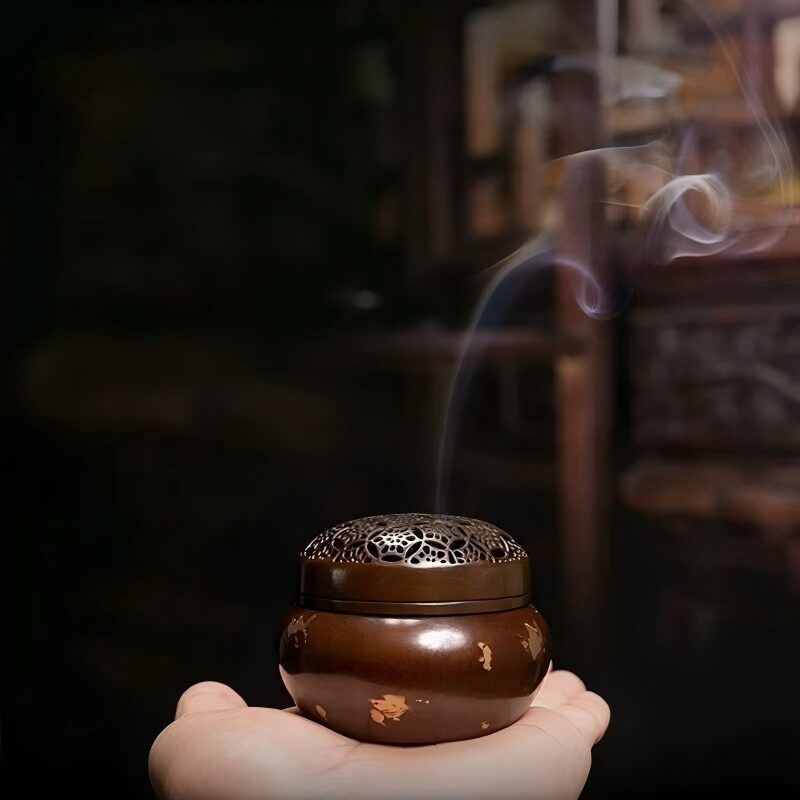
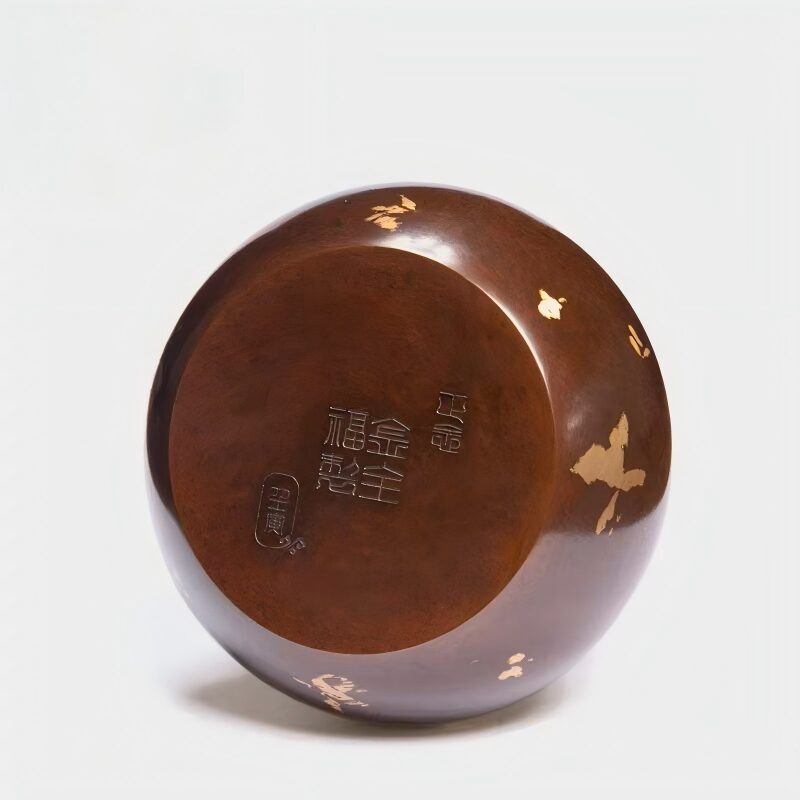
Set of 4 Ming Xuande-Style Incense Burners (Censers)
Original price was: $259.00.$169.00Current price is: $169.00.piece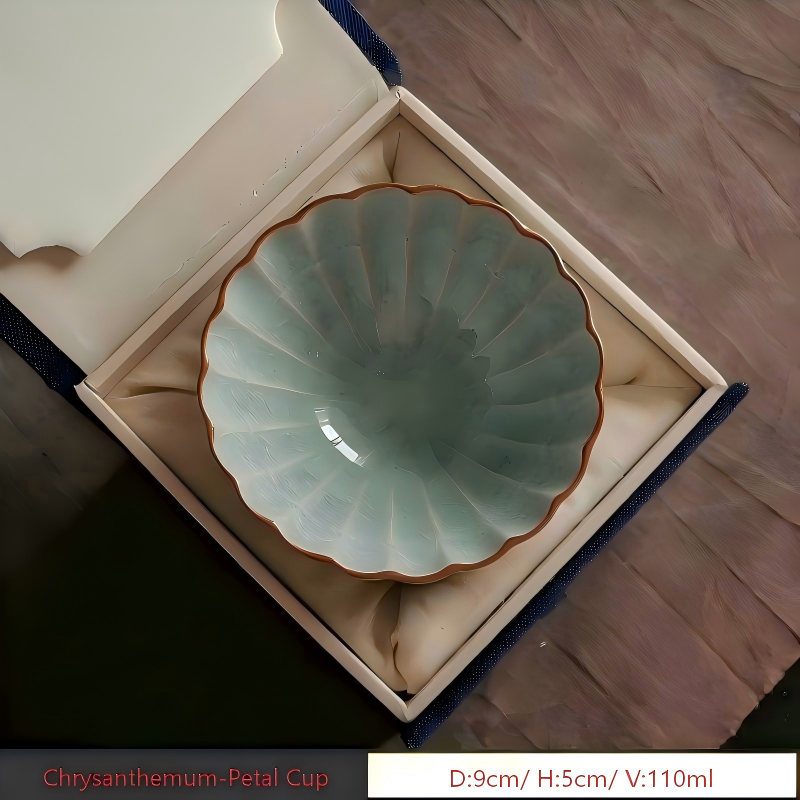
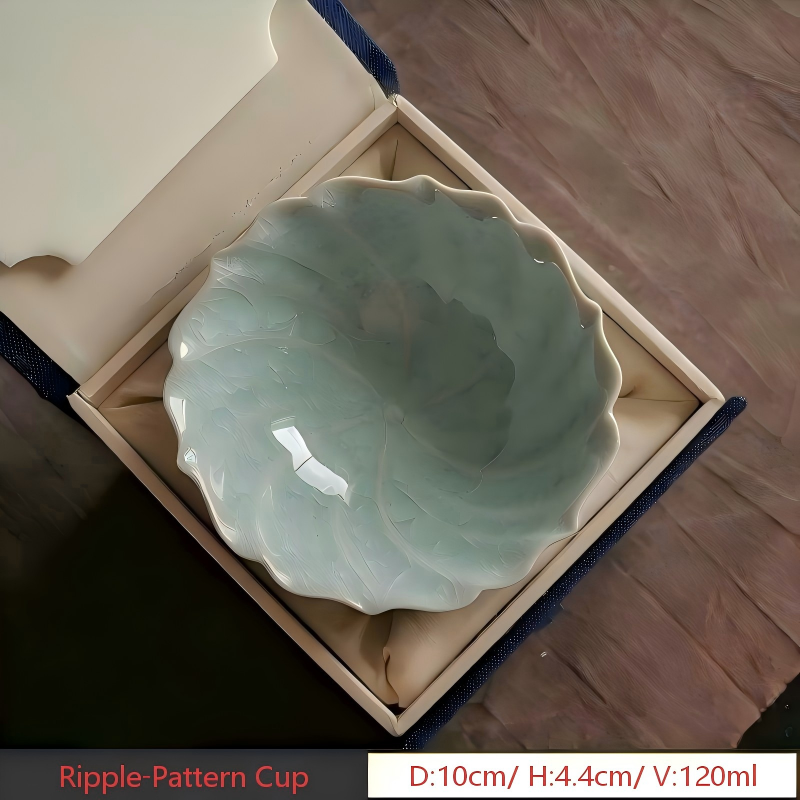
Set of Five Archaistic Ru ware Celadon Ice‑Flower Crackle Glaze Tasting Cups
The Five Great Wares of the Song Dynasty (Ru, Guan, Ge, Jun, Ding), Teas & Teawares, Best Sellers, New Arrivals
Original price was: $199.00.$139.00Current price is: $139.00.set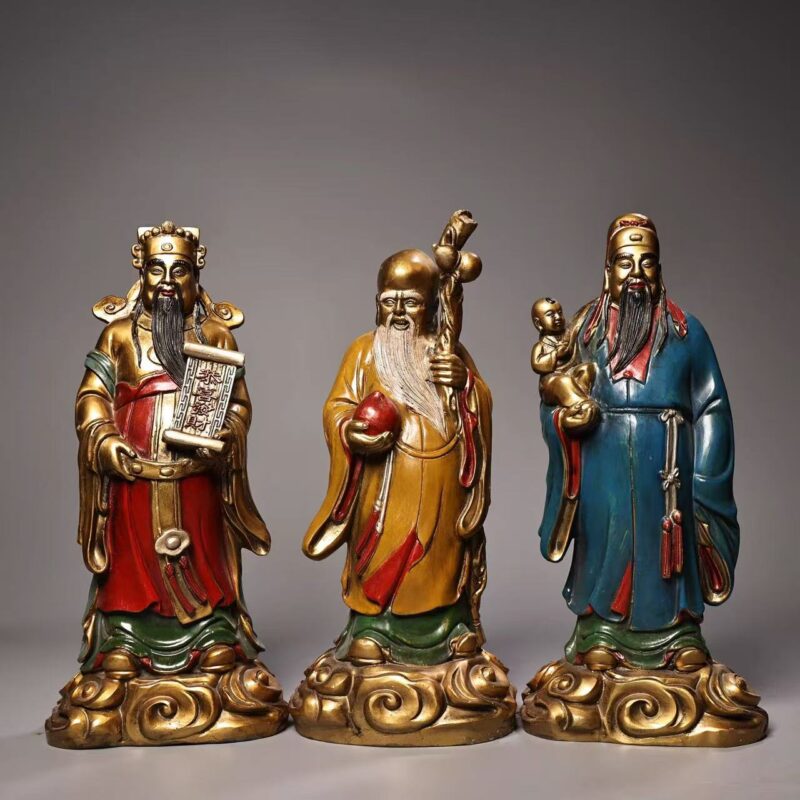
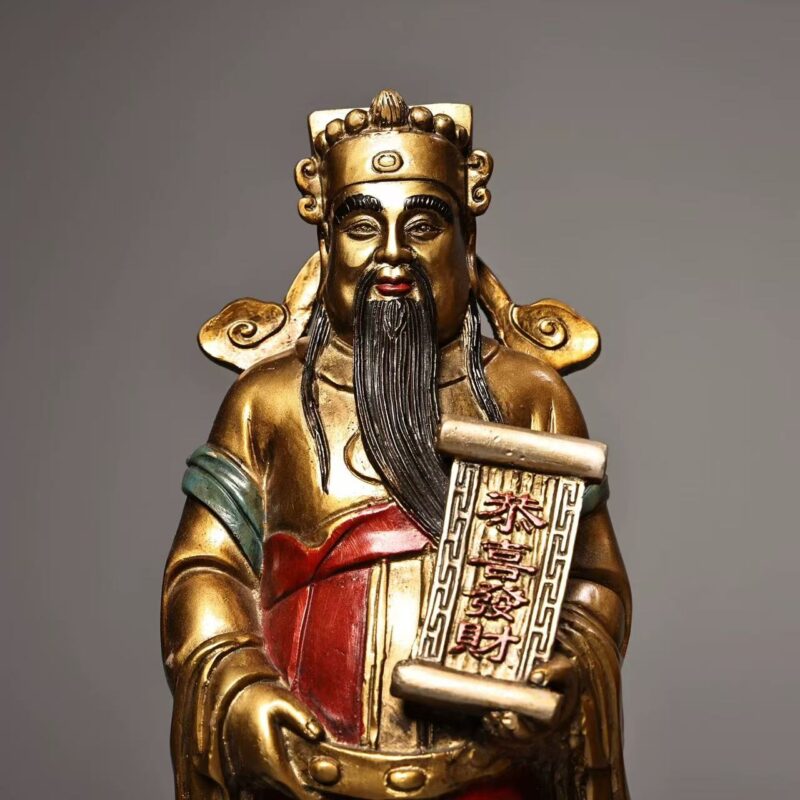
Set of Traditional Chinese Fu Lu Shou Ornaments-Wealth, Longevity & Blessing Deities with Cloud Base
Fengshui ornament, Handicrafts with Himalayan, Buddhist and Taoist Features of China, Best Sellers, New Arrivals
Original price was: $799.00.$599.00Current price is: $599.00.set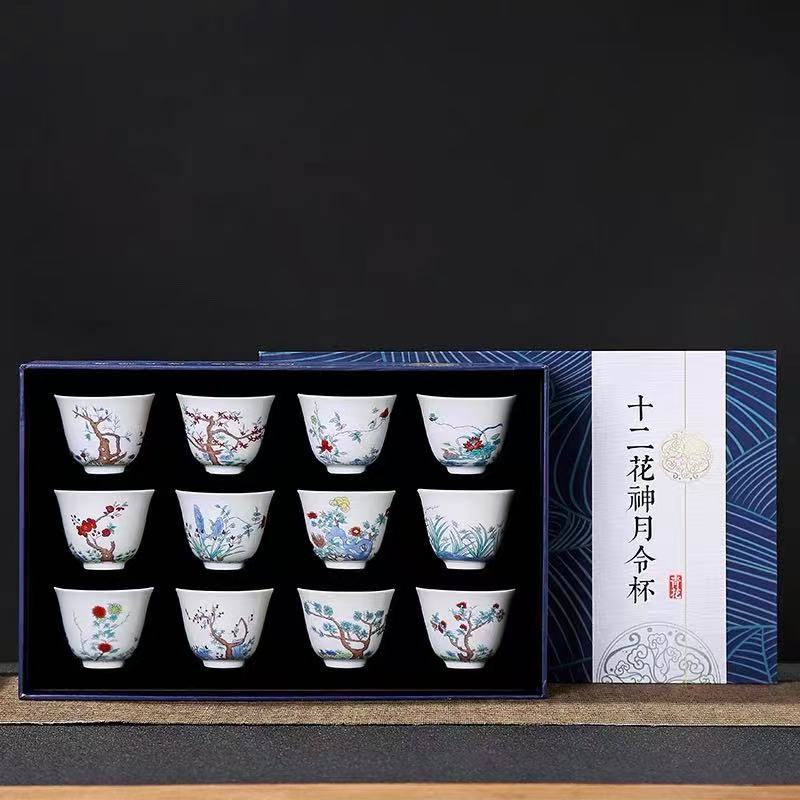
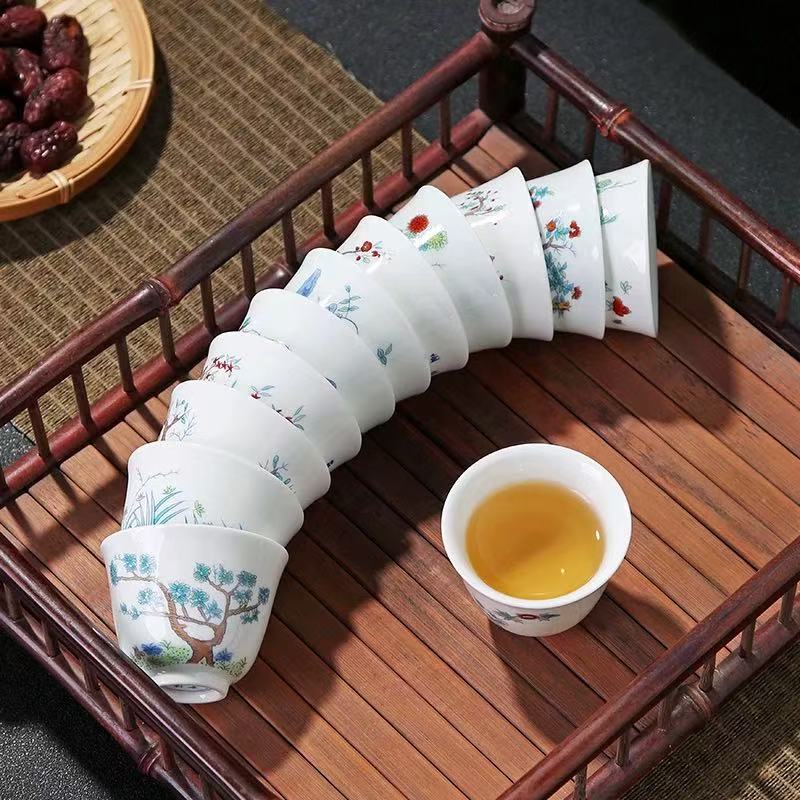
Set of Wine/Tea Cups with Flowers of the 12 Lunar Months (The Palace Museum, Beijing Version)
Wucai (Five-Colour Ware); Famille Rose & Imperial Enamel with Blue-and-White Elements, Teas & Teawares, Other Renowned Wares; Workshops & Studios, Best Sellers, New Arrivals
Original price was: $199.00.$129.00Current price is: $129.00.set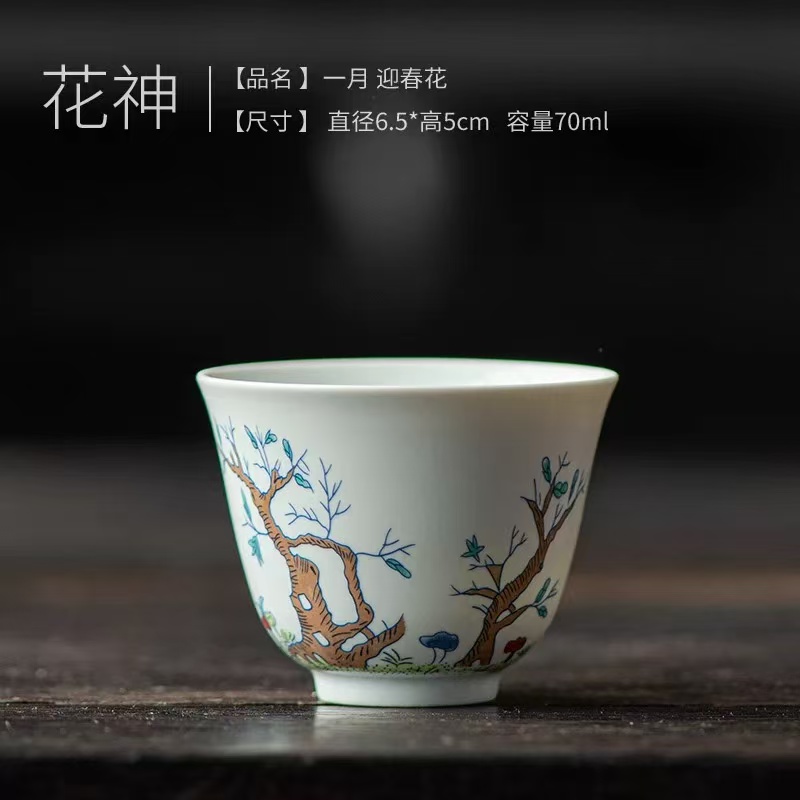
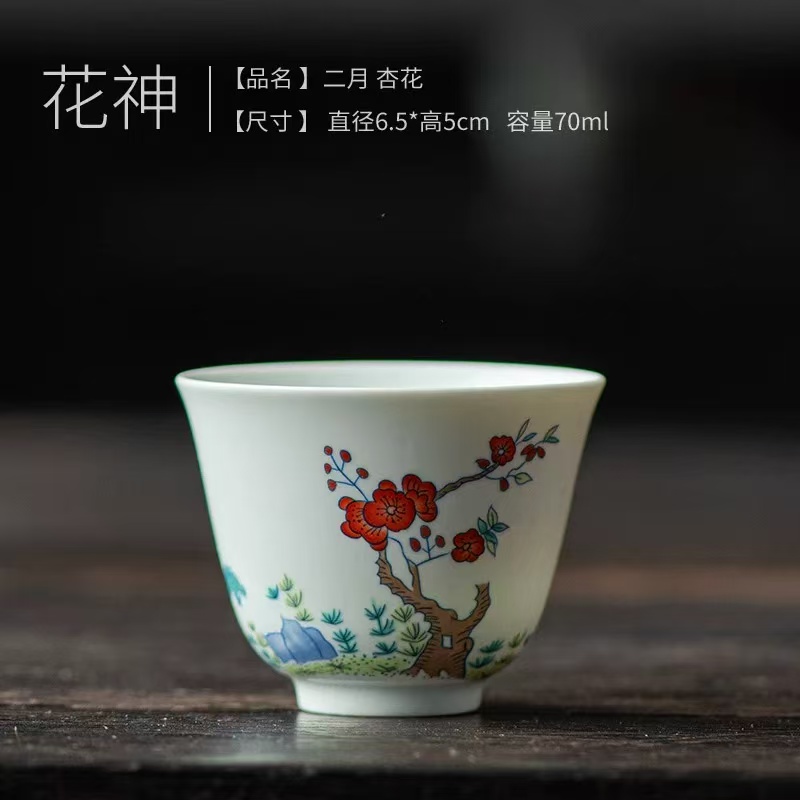
Set of Wine/Tea Cups with Flowers of the Twelve Months
Wucai (Five-Colour Ware); Famille Rose & Imperial Enamel with Blue-and-White Elements, Teas & Teawares, Best Sellers, New Arrivals
Original price was: $199.00.$99.00Current price is: $99.00.set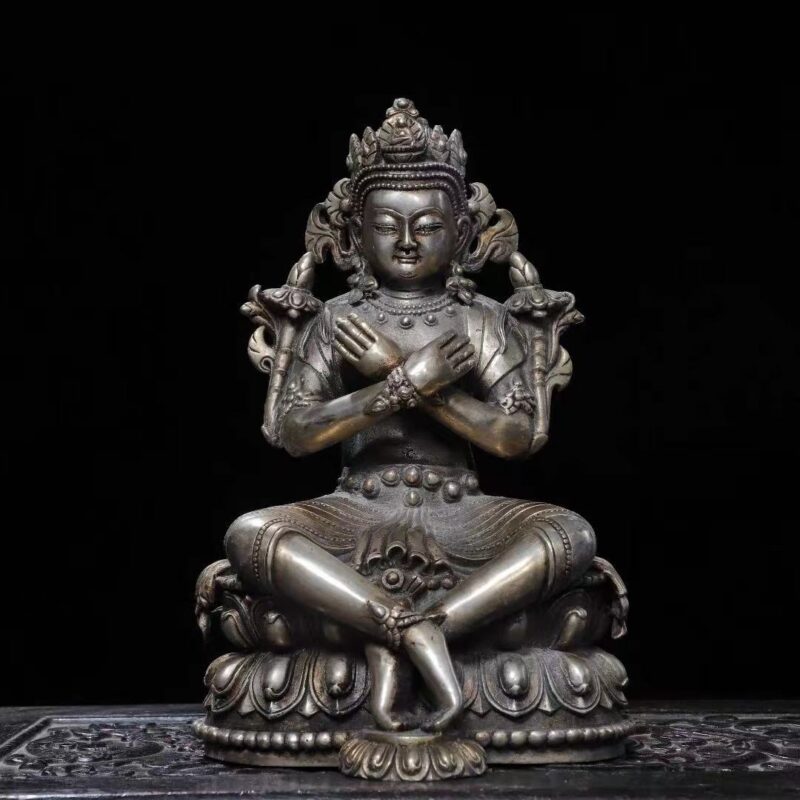
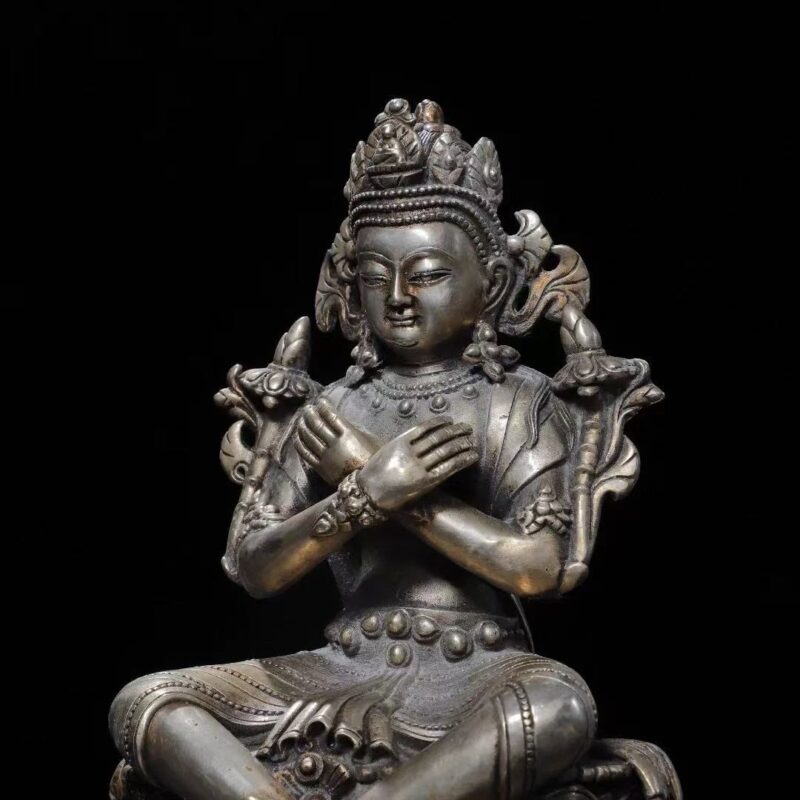
Silver-Gilt Bronze Vajradhara Statue
Original price was: $339.00.$259.00Current price is: $259.00.statue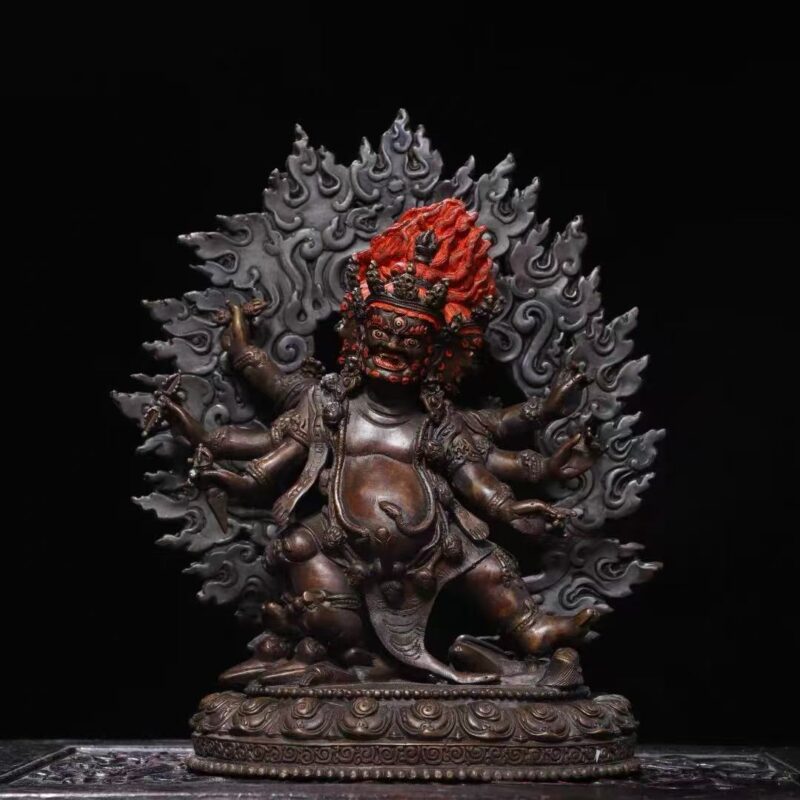
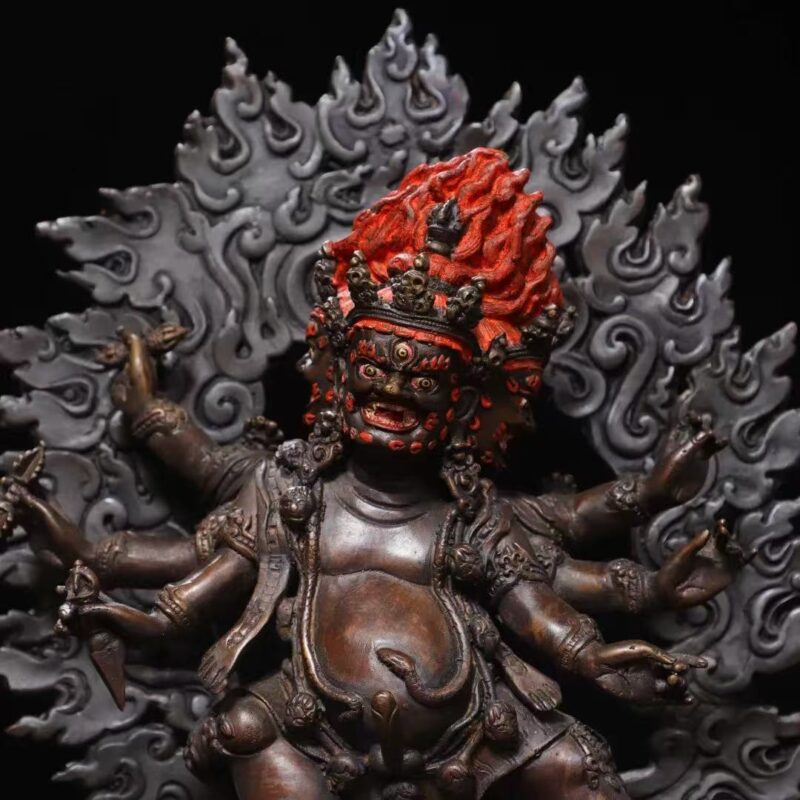
Six-Armed Mahakala (Mahākāla)- Aged Bronze with Mineral Pigments
Buddha statue, Handicrafts with Himalayan, Buddhist and Taoist Features of China, Best Sellers, New Arrivals
Original price was: $499.00.$379.00Current price is: $379.00.statue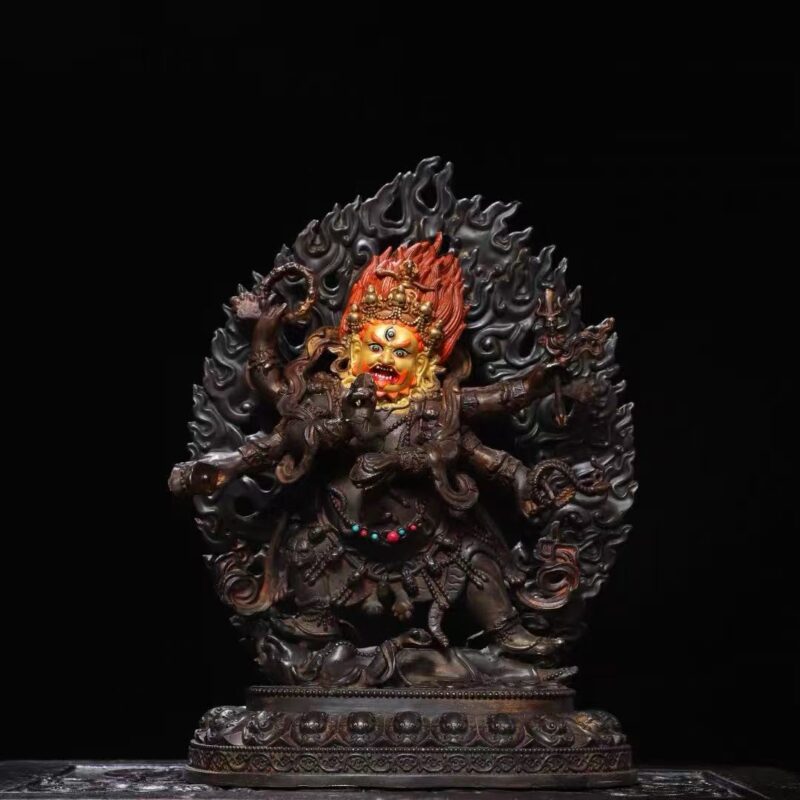
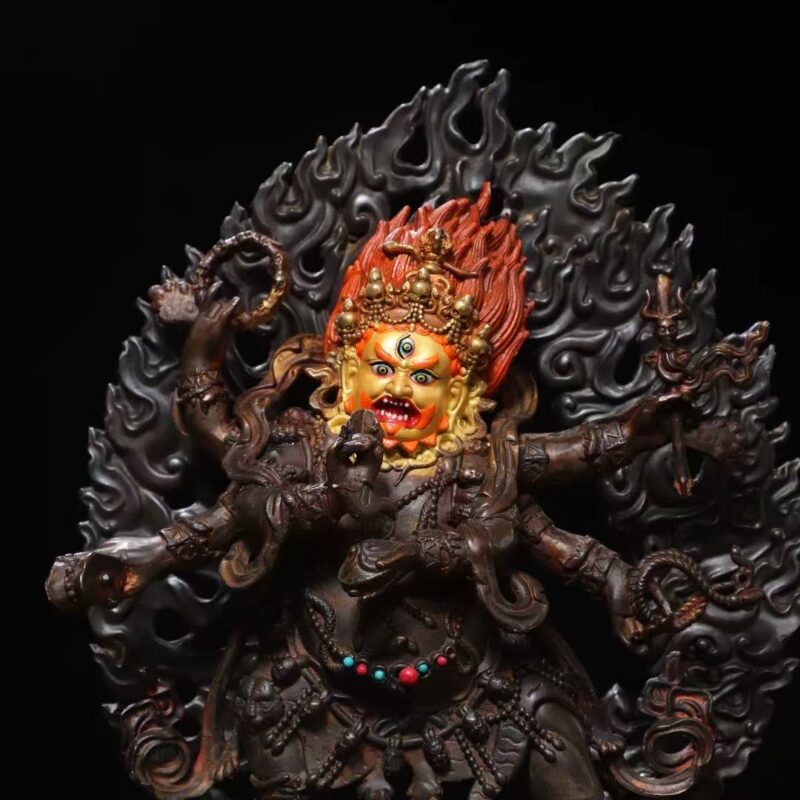
Six-Armed Mahakala (Sanskrit: Mahākāla)
Buddha statue, Handicrafts with Himalayan, Buddhist and Taoist Features of China, Best Sellers, New Arrivals
Original price was: $599.00.$429.00Current price is: $429.00.statue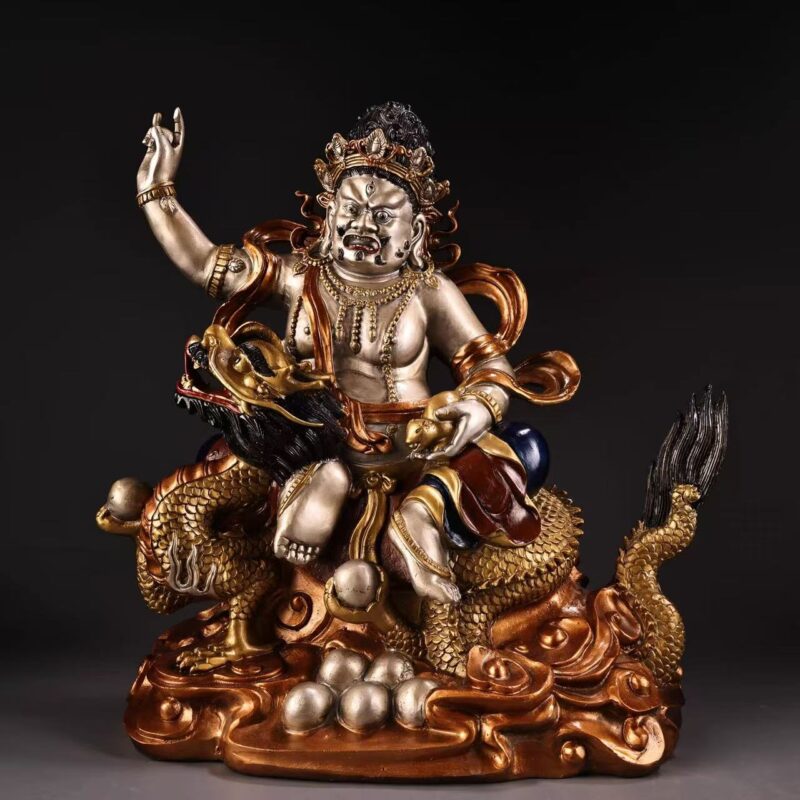
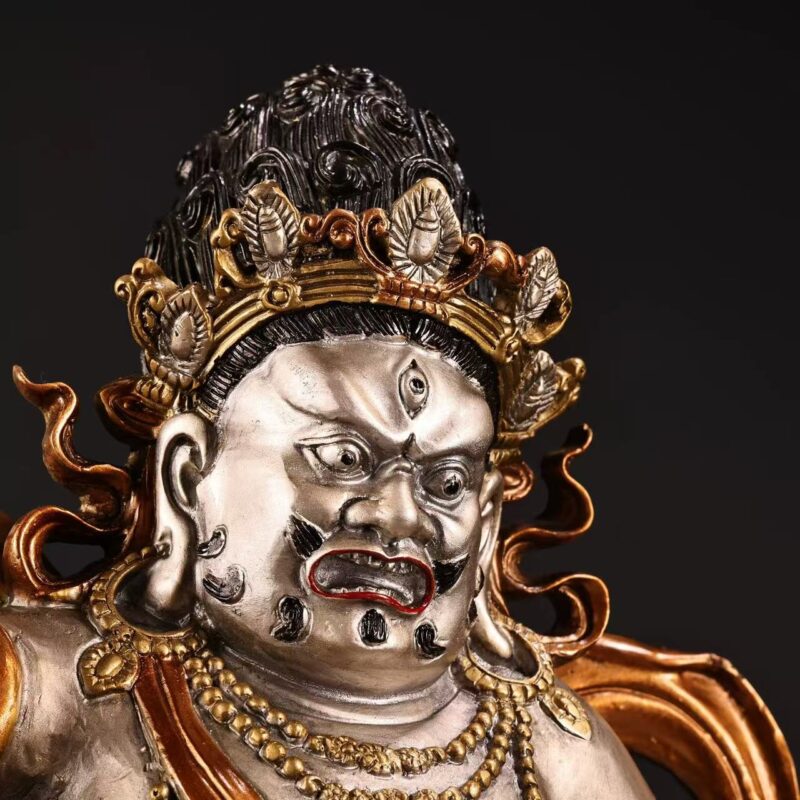
Solid Painted Gold & Silver Traced Bronze Statue of Dragon Riding White Jambhala
Buddha statue, Handicrafts with Himalayan, Buddhist and Taoist Features of China, Best Sellers, New Arrivals
Original price was: $1,299.00.$899.00Current price is: $899.00.statue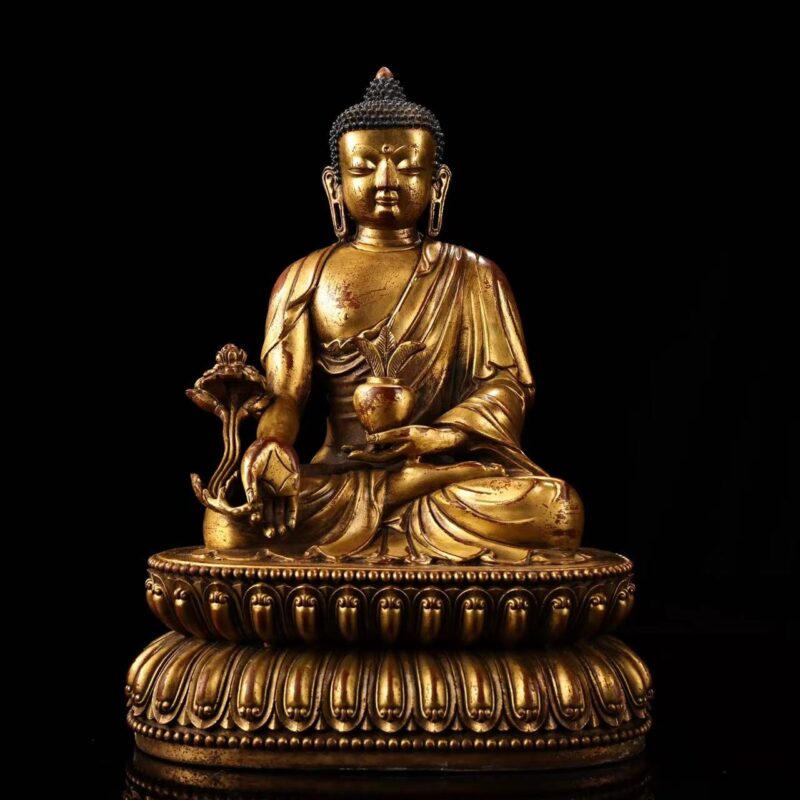
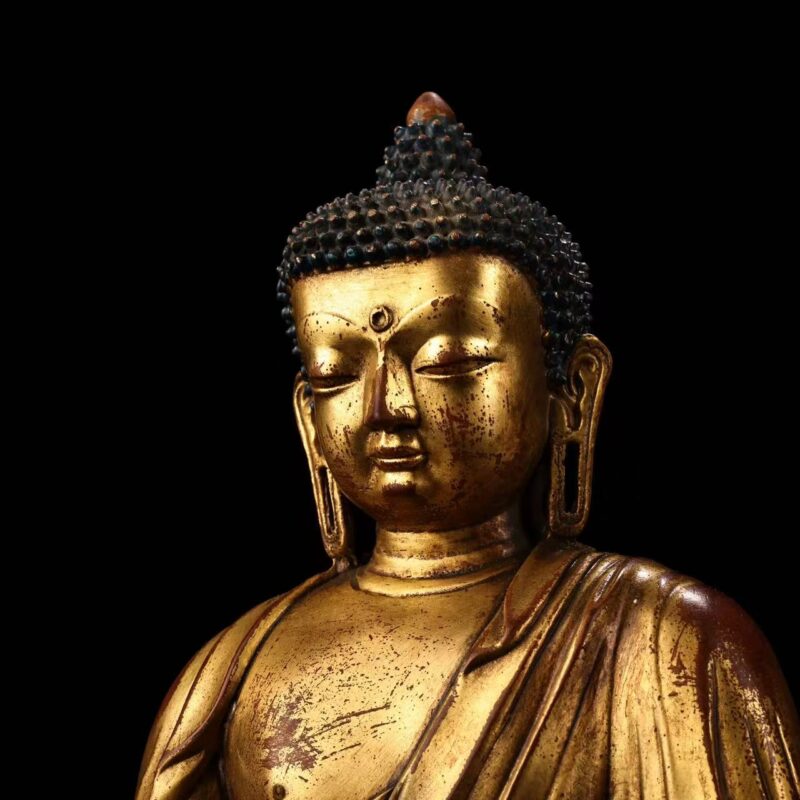
Sotheby’s Benchmark Antique Medicine Buddha Sculpture, Ming-Qing Sino-Tibetan Buddhist Art Gilded Bronze Collectible
Buddha statue, Handicrafts with Himalayan, Buddhist and Taoist Features of China, Best Sellers, New Arrivals
Original price was: $899.00.$699.00Current price is: $699.00.statue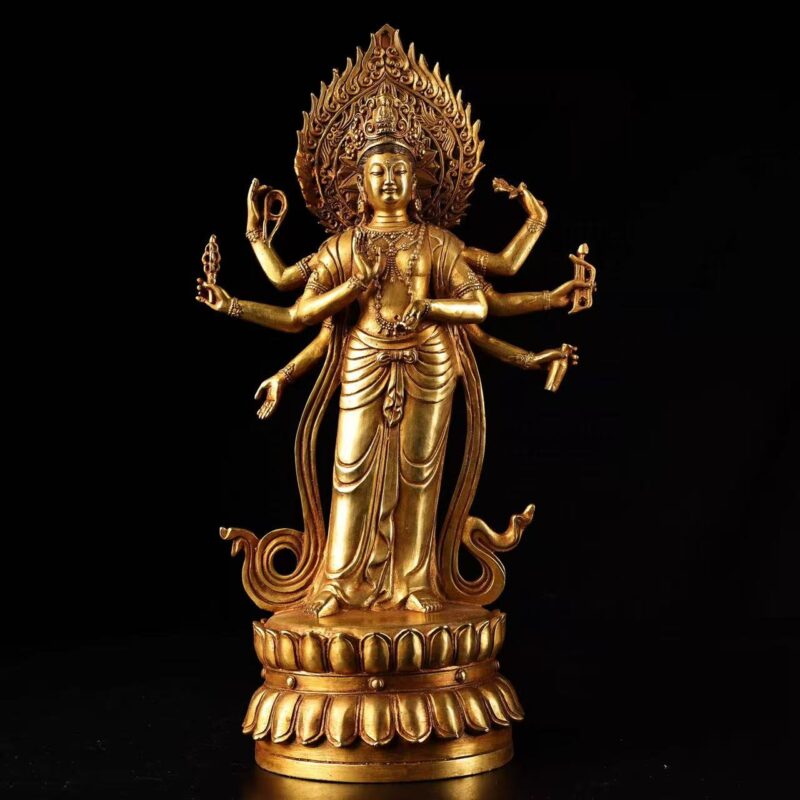
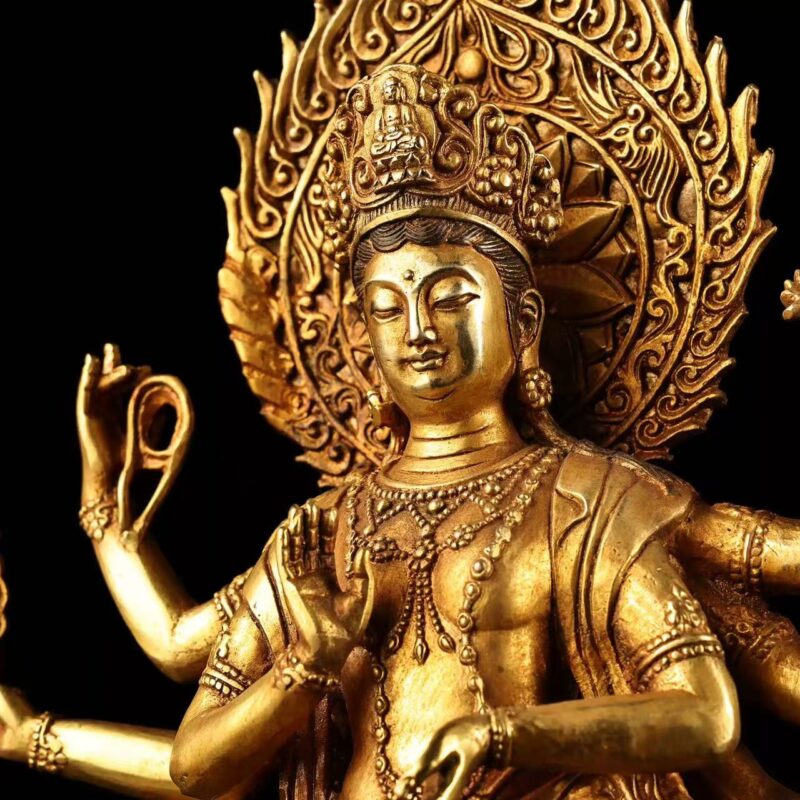
Standing Eight-Armed Kwan-yin (Guanyin) on Lotus Throne, Fully Gilded Bronze Statue with Yongle Mark
Original price was: $499.00.$369.00Current price is: $369.00.statue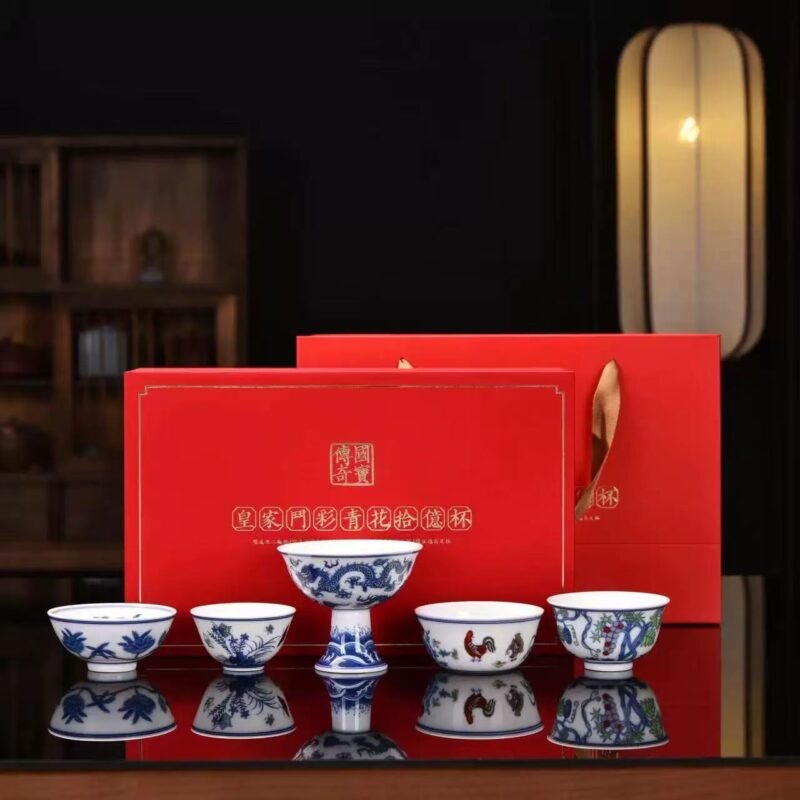
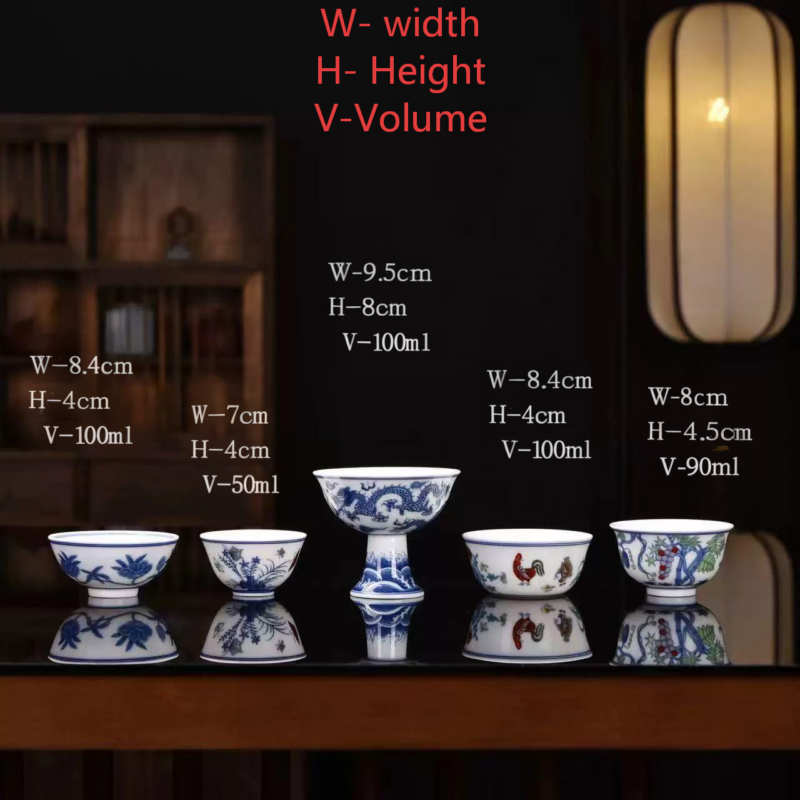
Suite of Cups Embodying Ming Chenghua‑Era Blue and White & Doucai Porcelain Aesthetics (Legendary National Treasure Cup Set)
Teas & Teawares, Jingdezhen Blue and White; Doucai & Underglaze Red Porcelain, Other Renowned Wares; Workshops & Studios, Best Sellers, New Arrivals
Original price was: $159.00.$89.00Current price is: $89.00.set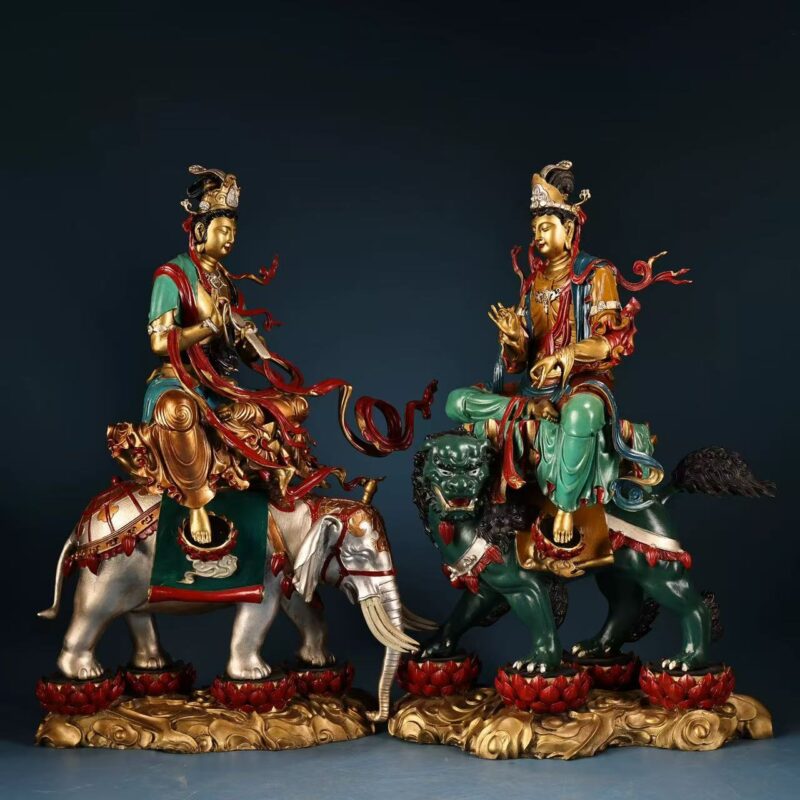
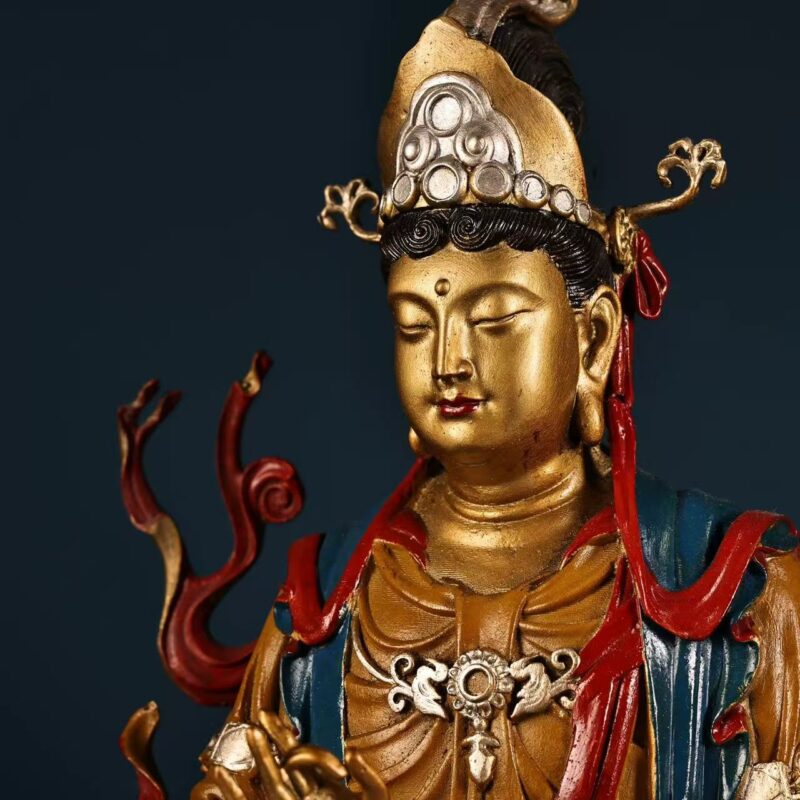
Superbly Crafted Pair of Fire-Gilded & Polychrome Bronze Statues of Manjushri and Samantabhadra of Chinese Buddhism
Original price was: $2,599.00.$1,799.00Current price is: $1,799.00.pair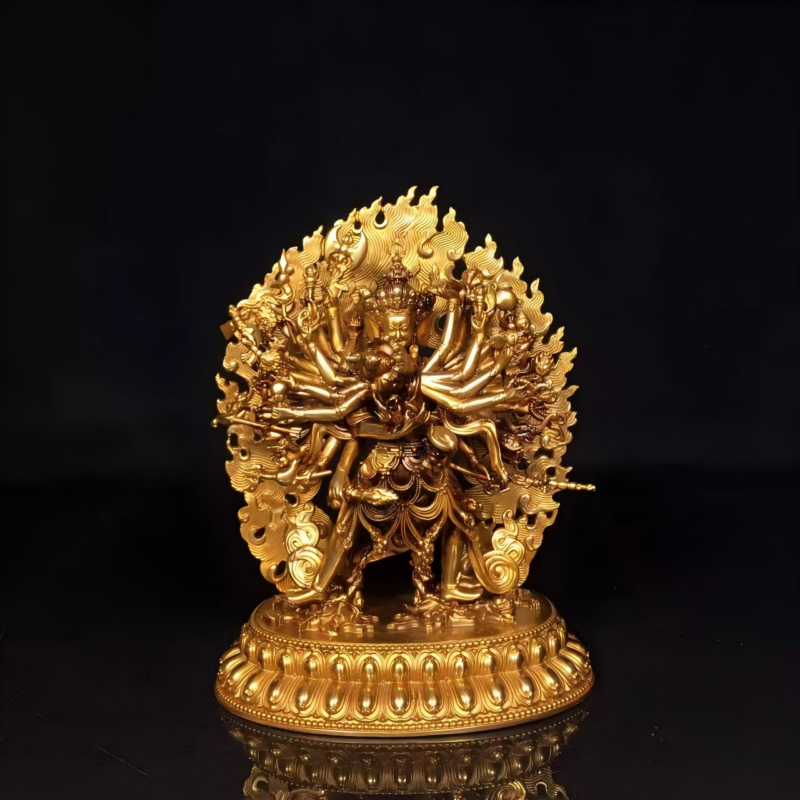
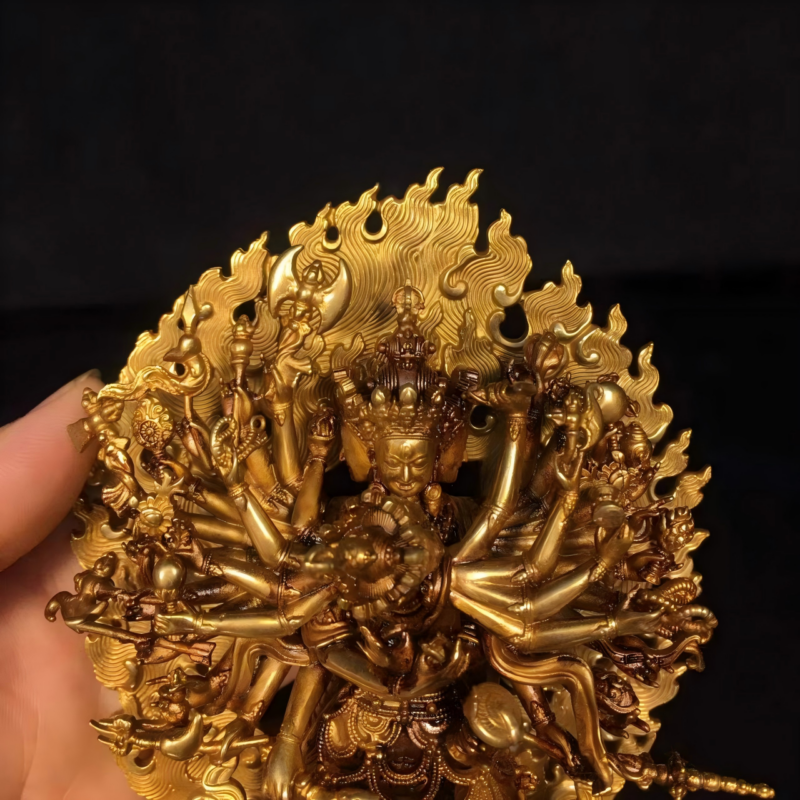
Symbol of Bliss-Emptiness Union: Yab-Yum Kalachakra Yidam Statue
Buddha statue, Handicrafts with Himalayan, Buddhist and Taoist Features of China, Best Sellers, New Arrivals
Original price was: $399.00.$329.00Current price is: $329.00.statue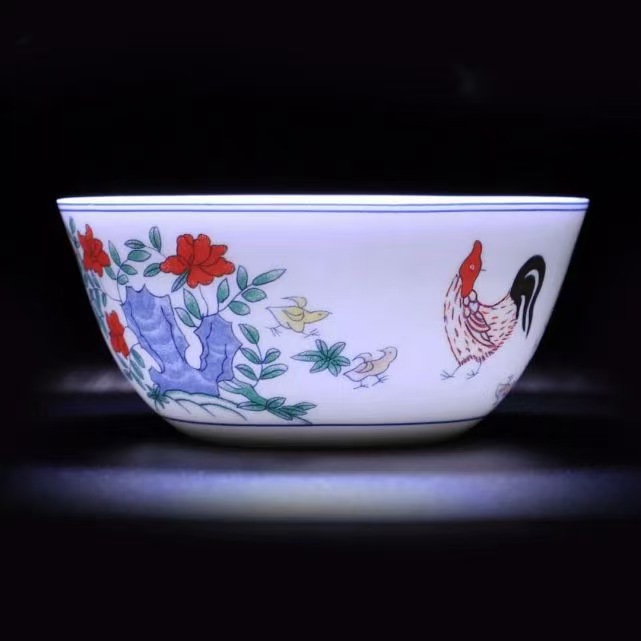
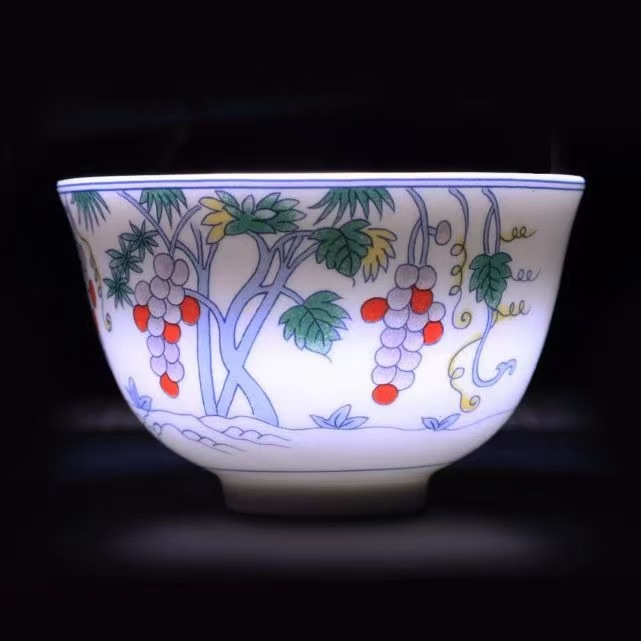
The National Treasure Cup Set of Wufu (Five Blessings) – Imperial Kiln Reproduction
Jingdezhen Blue and White; Doucai & Underglaze Red Porcelain, Teas & Teawares, Wucai (Five-Colour Ware); Famille Rose & Imperial Enamel with Blue-and-White Elements, Other Renowned Wares; Workshops & Studios, Best Sellers, New Arrivals
Original price was: $599.00.$299.00Current price is: $299.00.set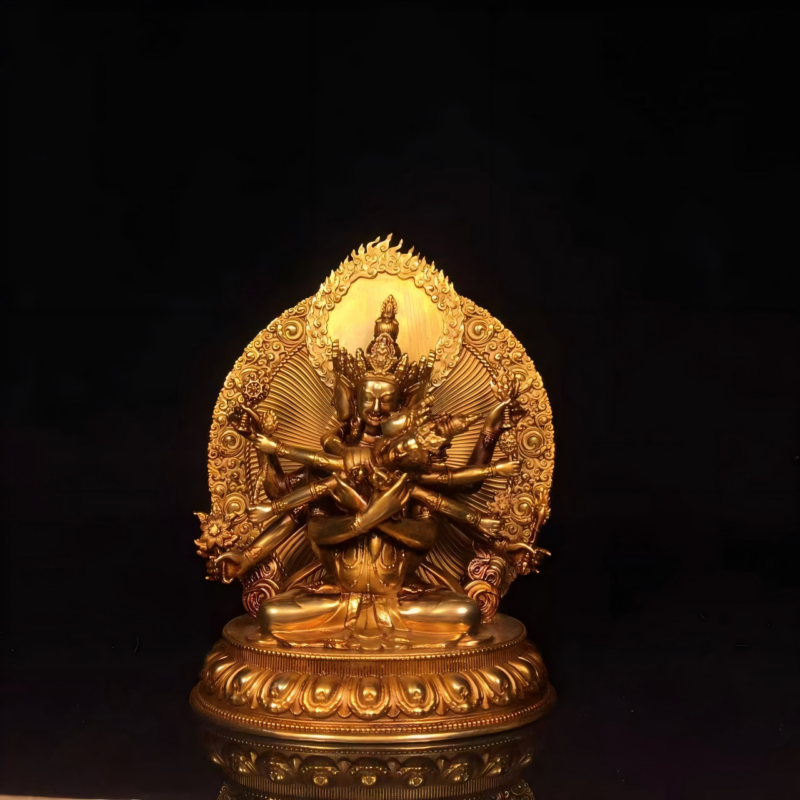
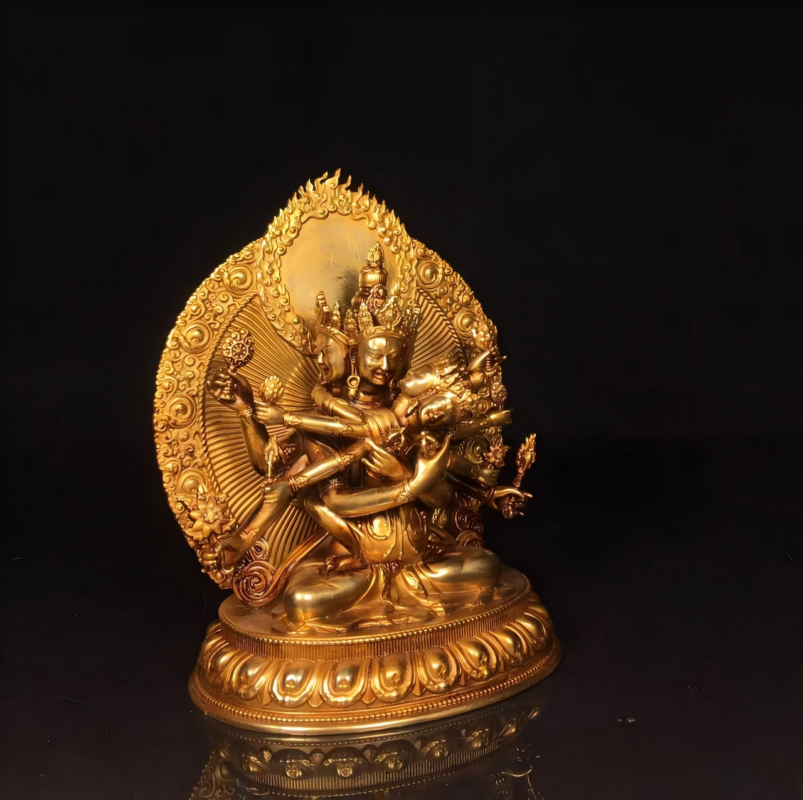
The Union of Compassion and Wisdom, Full-Gilt Bronze Yab-Yum Cakrasamvara/Samvara Statue
Buddha statue, Handicrafts with Himalayan, Buddhist and Taoist Features of China, Best Sellers, New Arrivals
Original price was: $399.00.$329.00Current price is: $329.00.statue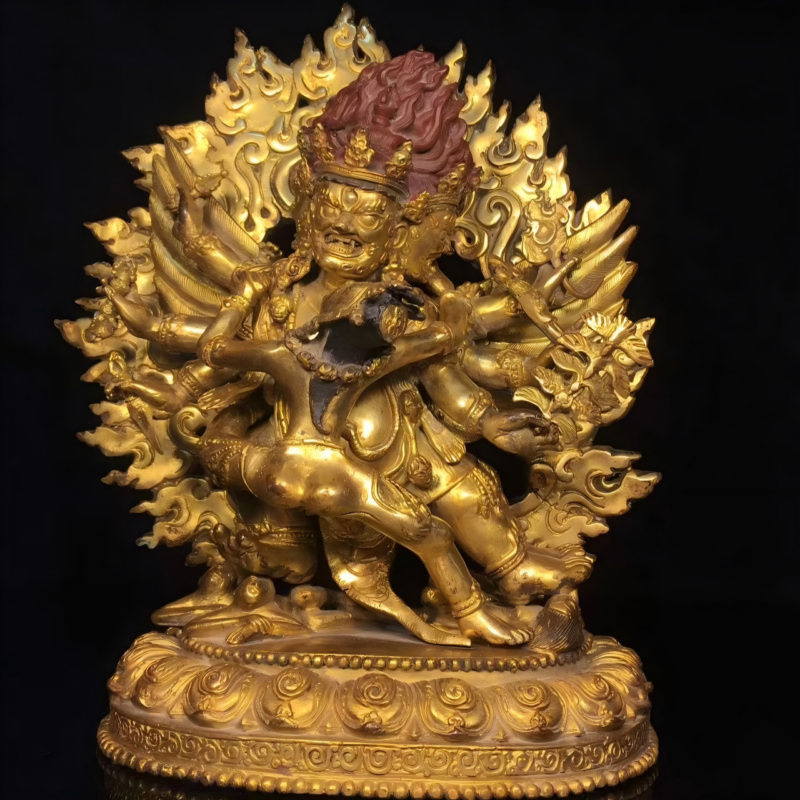
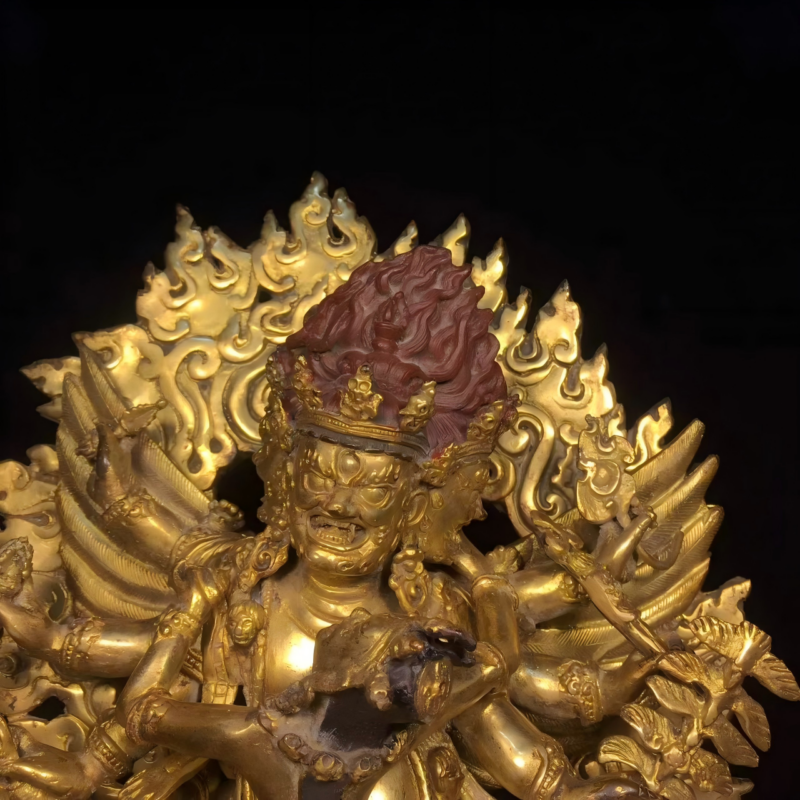
Three-Faced Six-Armed Vajrakilaya/Vajrakila/Dorje Phurba with Consort | Tibetan Tantra Practice Statue
Buddha statue, Handicrafts with Himalayan, Buddhist and Taoist Features of China, Best Sellers, New Arrivals
Original price was: $499.00.$369.00Current price is: $369.00.statue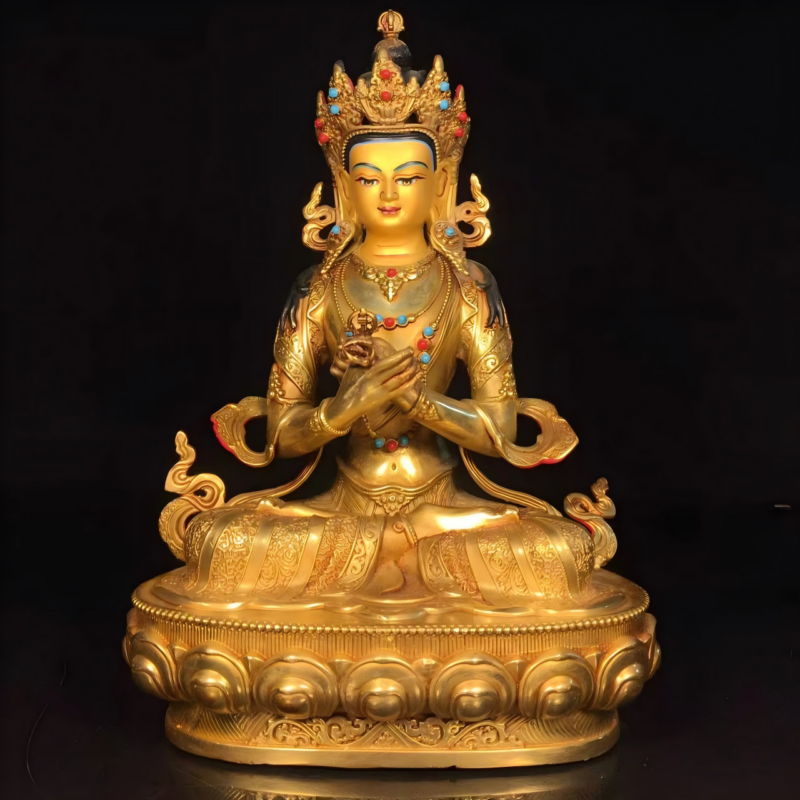
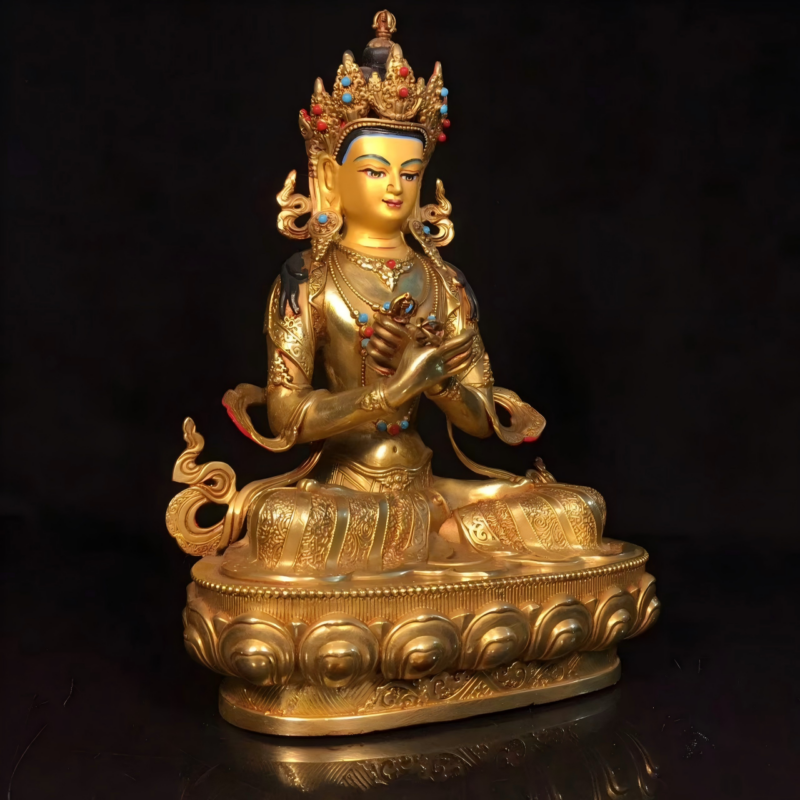
Tibet-Nepal Style Gold-Gilt Bronze Vajradhara Buddha Statue
Buddha statue, Handicrafts with Himalayan, Buddhist and Taoist Features of China, Best Sellers, New Arrivals
Original price was: $299.00.$219.00Current price is: $219.00.statue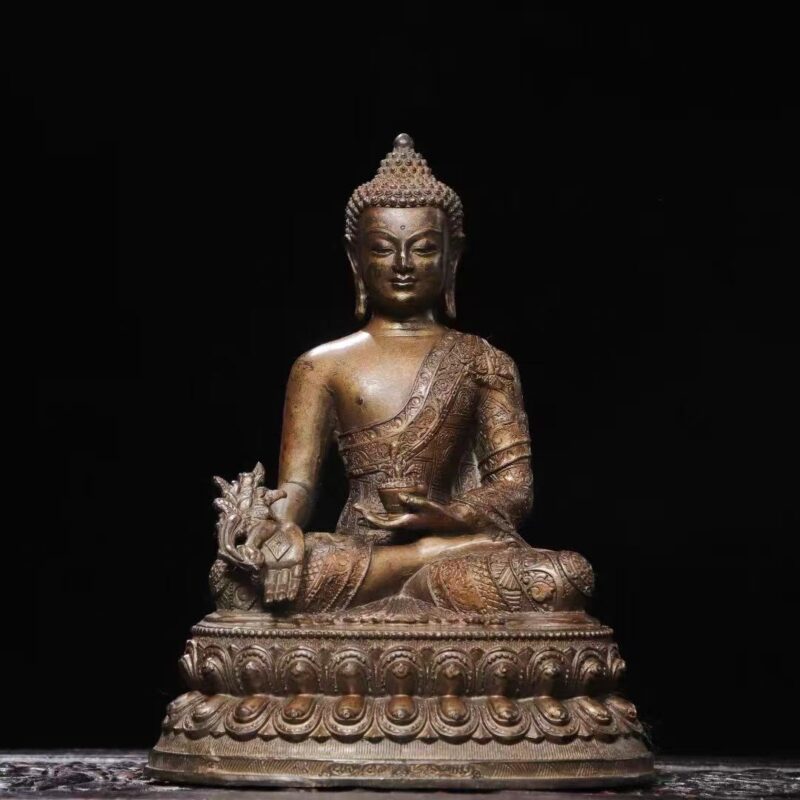
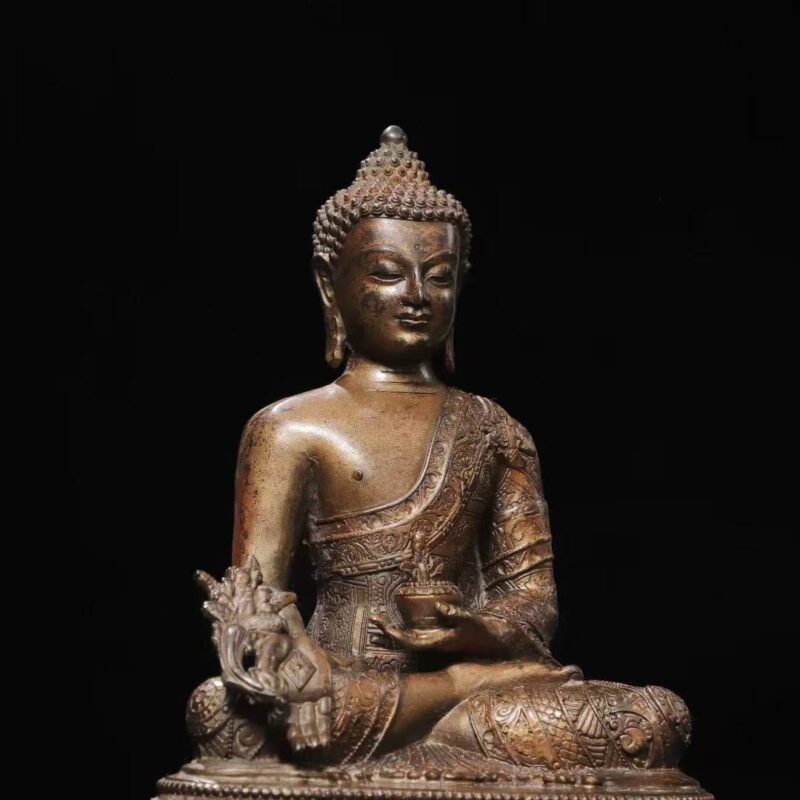
Tibetan Bhaisajyaguru Buddha, The Medicine Buddha and The Herbal Healer of the Eastern Pure Land of Vaidurya
Buddha statue, Handicrafts with Himalayan, Buddhist and Taoist Features of China, Best Sellers, New Arrivals
Original price was: $259.00.$209.00Current price is: $209.00.statue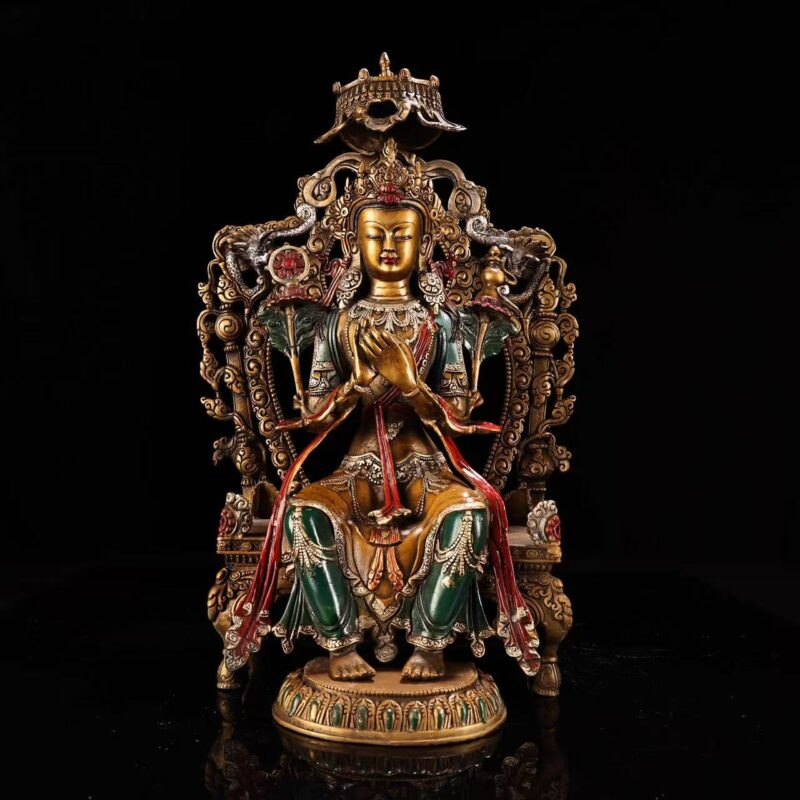
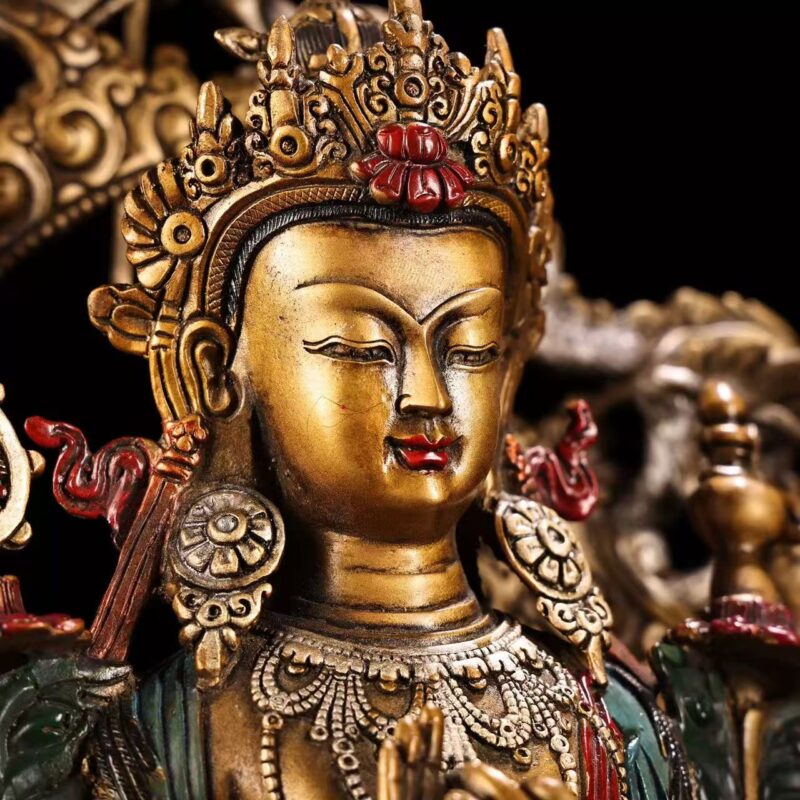
Tibetan Jampa (Maitreya) Statue, Premium Polychrome Religious Sculpture of Future Buddha among Three Ages Buddhas
Buddha statue, Handicrafts with Himalayan, Buddhist and Taoist Features of China, Best Sellers, New Arrivals
Original price was: $799.00.$639.00Current price is: $639.00.statue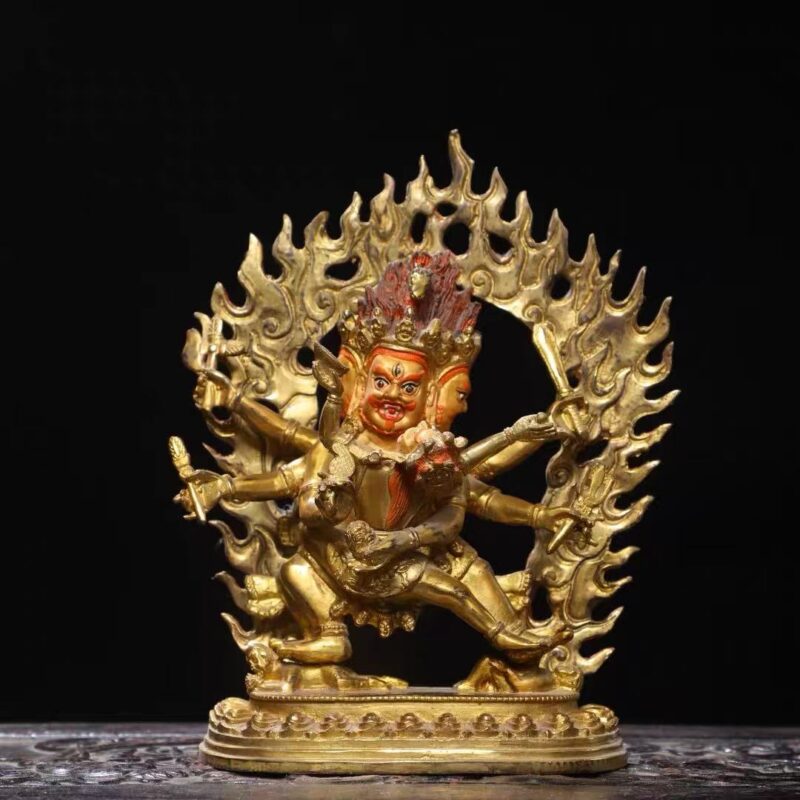
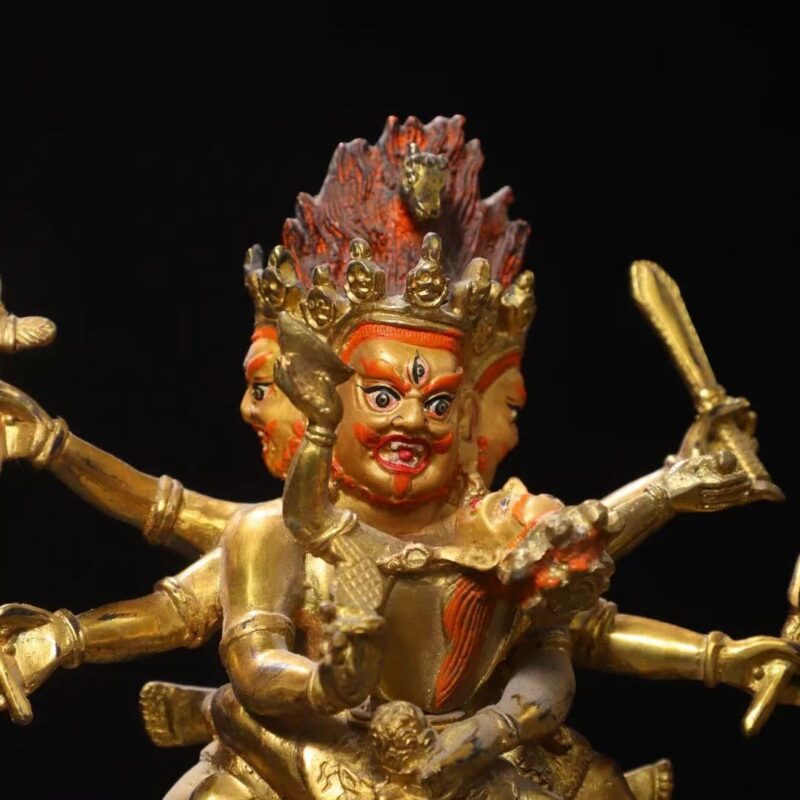
Tibetan Tantric Dual-Body Wrathful Vajrakilaya/Vajrakila (Dorje Phurba), Gilded Bronze Statue with Flame Mandorla
Buddha statue, Handicrafts with Himalayan, Buddhist and Taoist Features of China, Best Sellers, New Arrivals
Original price was: $399.00.$299.00Current price is: $299.00.statue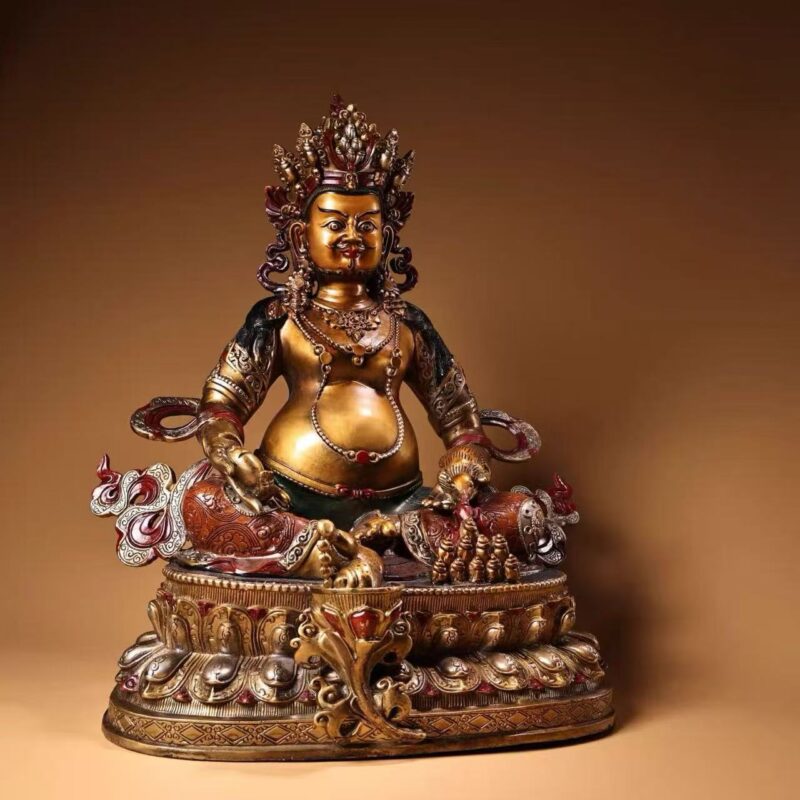
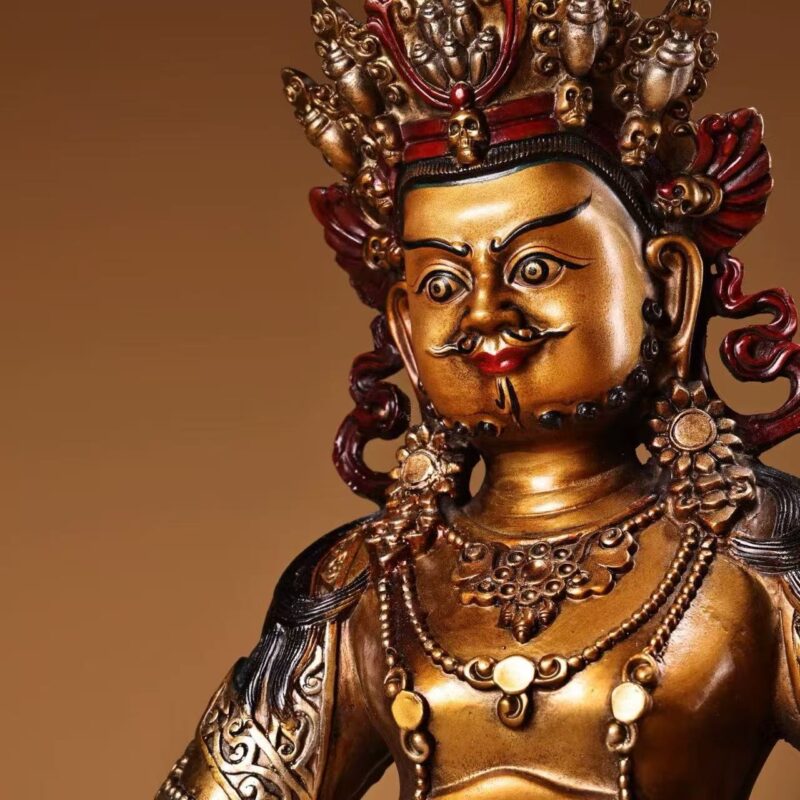
Tibetan Yellow Jambhala Bronze Statue with Gilding & Polychrome, Holding Mongoose & Jewel, Home Fortune Protection Ornament
Buddha statue, Handicrafts with Himalayan, Buddhist and Taoist Features of China, Best Sellers, New Arrivals
Original price was: $799.00.$599.00Current price is: $599.00.statue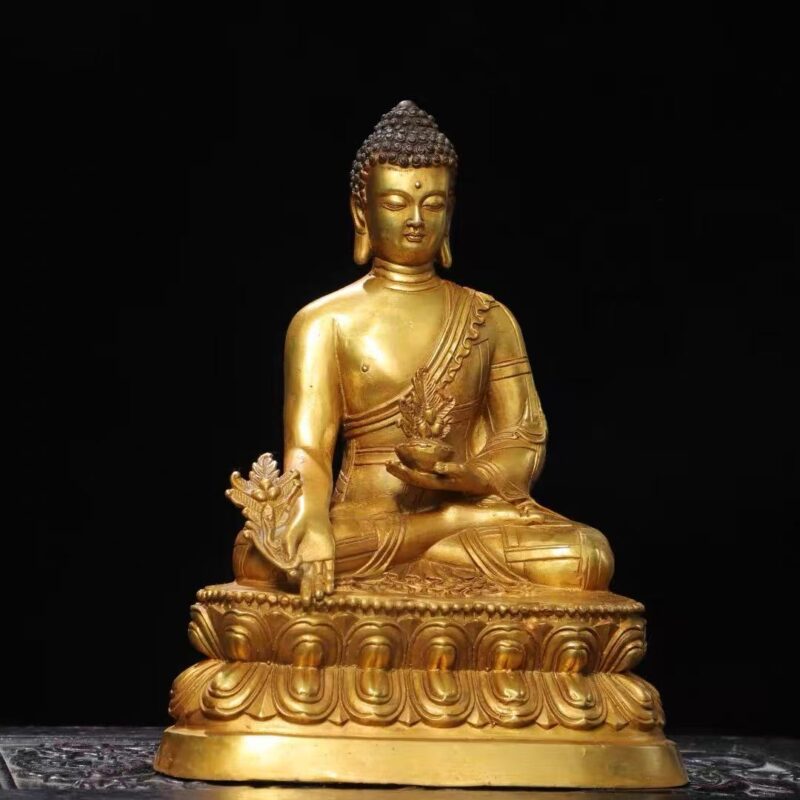
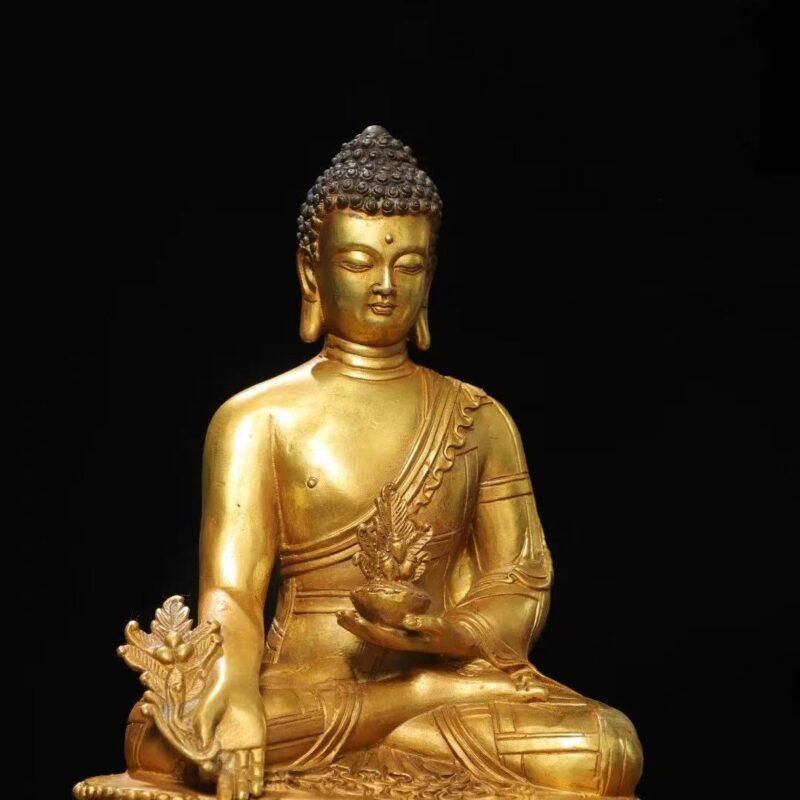
Tibetan-Style Bhaisajyaguru, Fully Gilded Bronze Seated Statue on Double Lotus Throne
Buddha statue, Handicrafts with Himalayan, Buddhist and Taoist Features of China, Best Sellers, New Arrivals
Original price was: $399.00.$299.00Current price is: $299.00.statue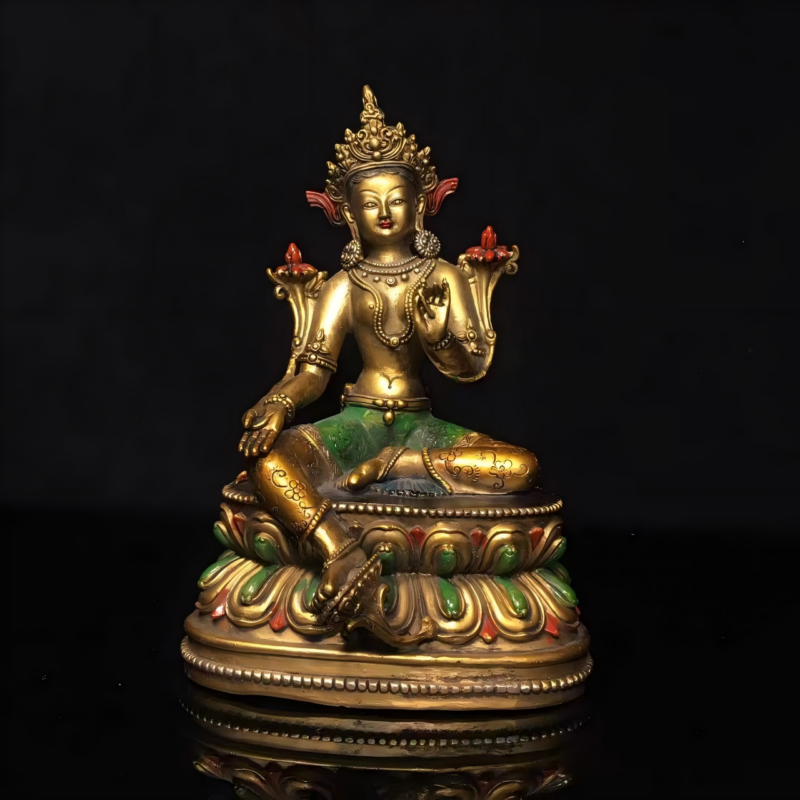
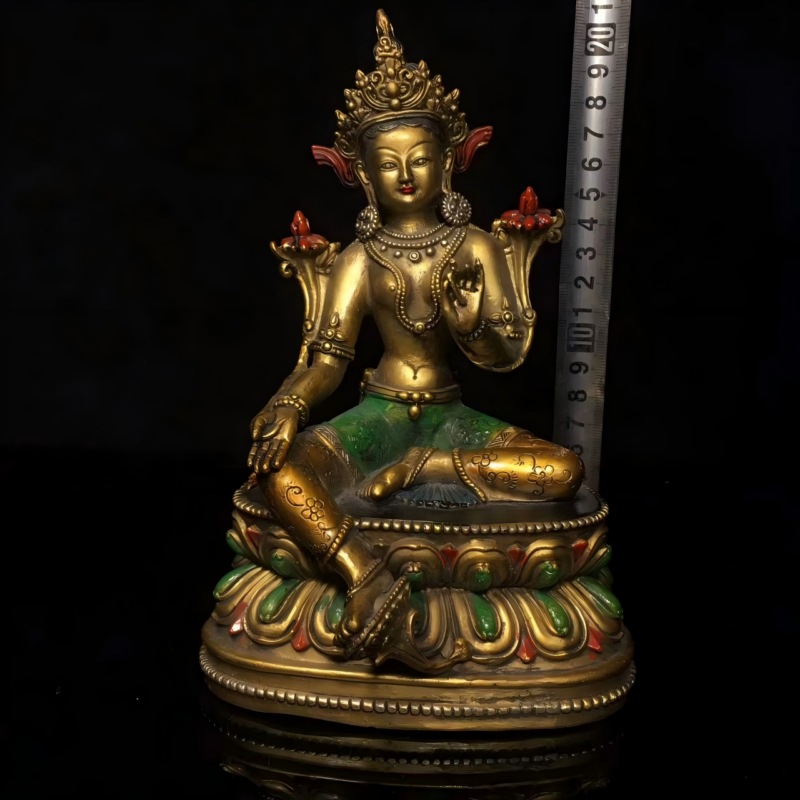
Tibetan-Style Gilt Bronze Green Tara with Polychrome Finish・The Lotus-Born Savioress
Buddha statue, Handicrafts with Himalayan, Buddhist and Taoist Features of China, Best Sellers, New Arrivals
Original price was: $299.00.$239.00Current price is: $239.00.statue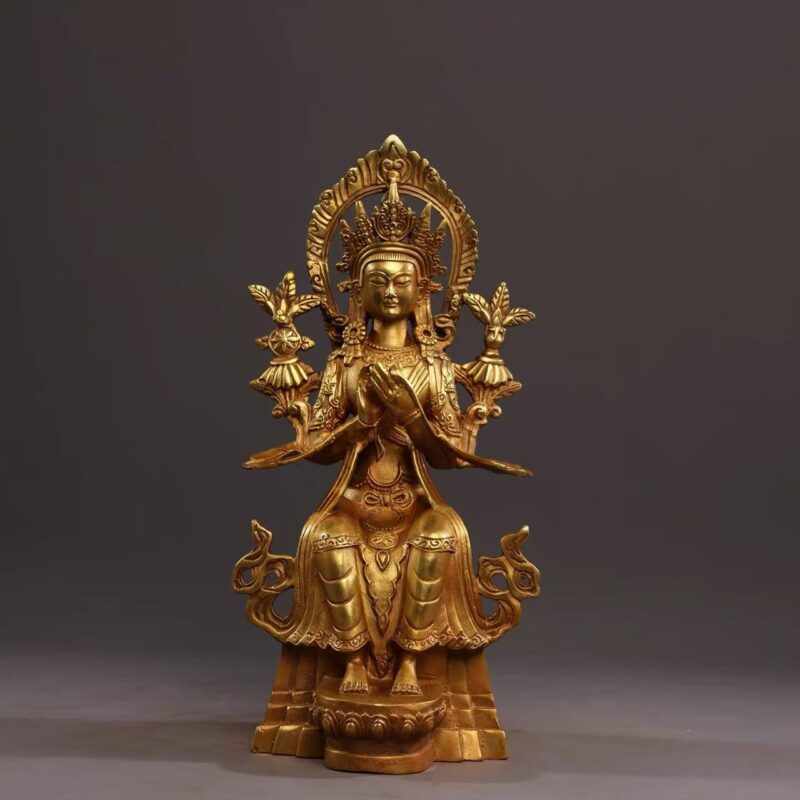
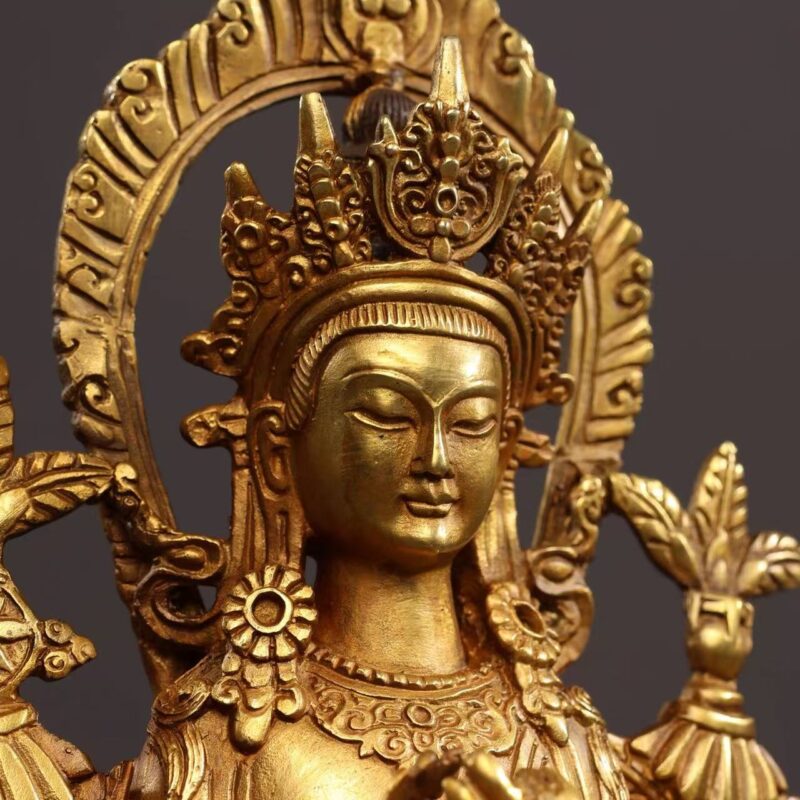
Tsang Region Pendent Seated Jampa (Maitreya Bodhisattva) Statue
Buddha statue, Handicrafts with Himalayan, Buddhist and Taoist Features of China, Best Sellers, New Arrivals
Original price was: $399.00.$299.00Current price is: $299.00.statue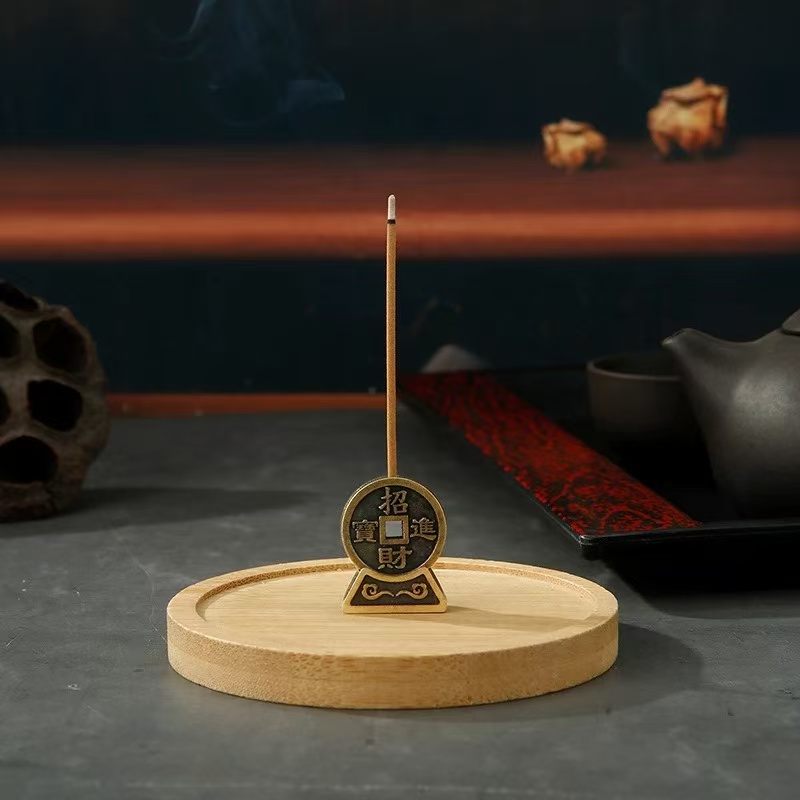
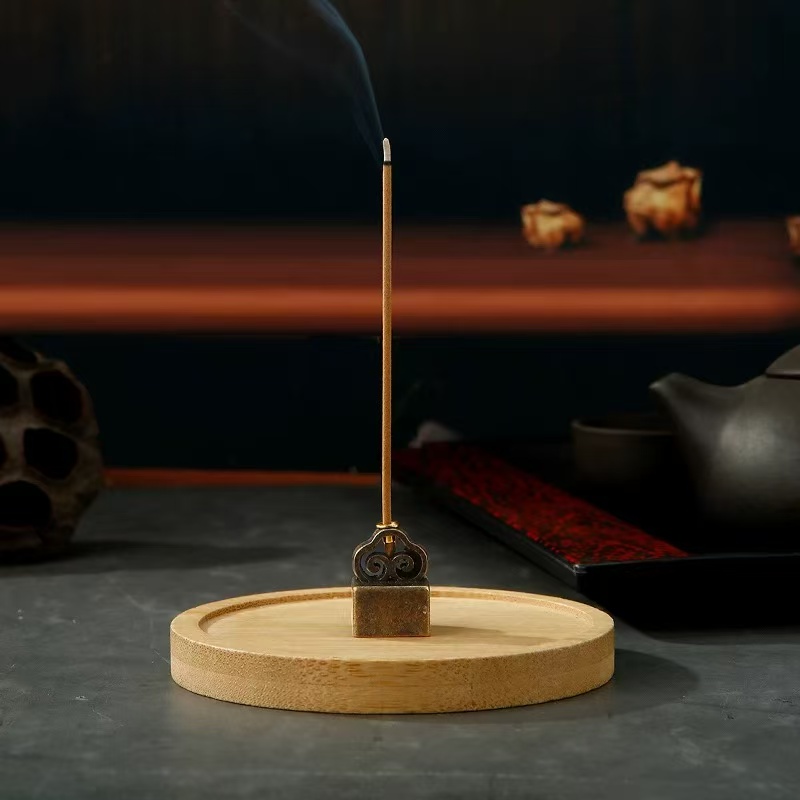
Two Antique-Style Mini Bronze Incense Holders: Coin-Shaped & Auspicious Cloud-Shaped Ruyi-Scroll Models
Incense burner, Elegant Objects, Fengshui ornament, Handicrafts with Himalayan, Buddhist and Taoist Features of China, Best Sellers, New Arrivals
Original price was: $25.00.$19.00Current price is: $19.00.piece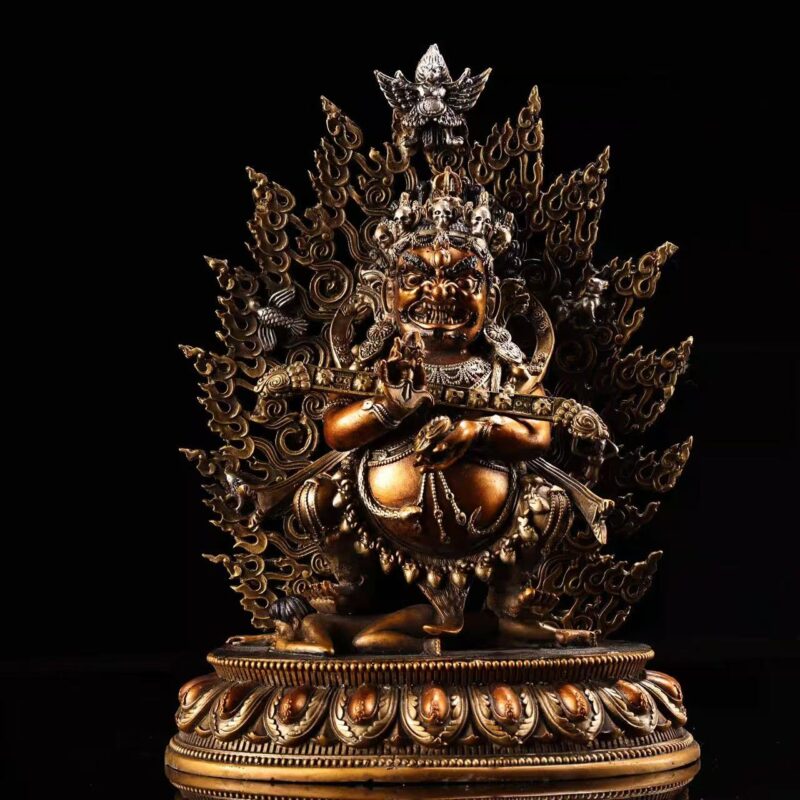
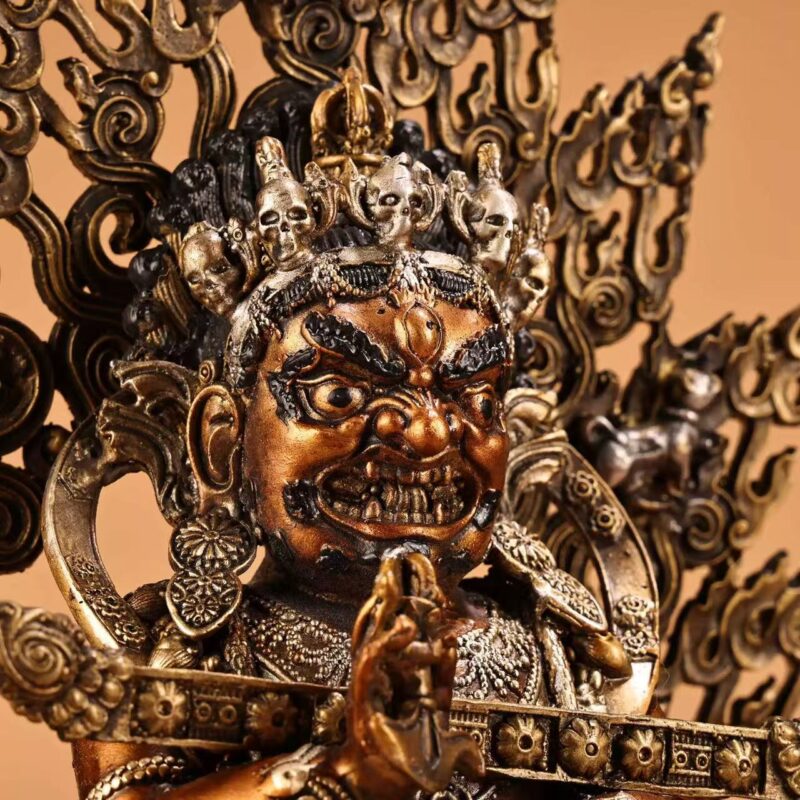
Two-Armed Staff-Bearing Mahakala/Mahākāla Bronze Figure
Buddha statue, Handicrafts with Himalayan, Buddhist and Taoist Features of China, Best Sellers, New Arrivals
Original price was: $499.00.$379.00Current price is: $379.00.statue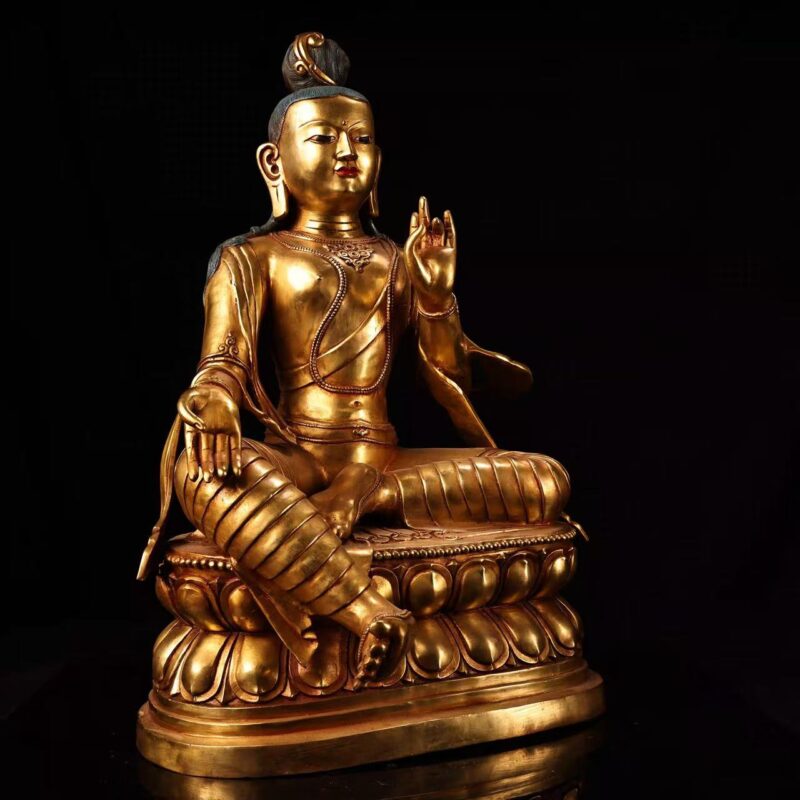
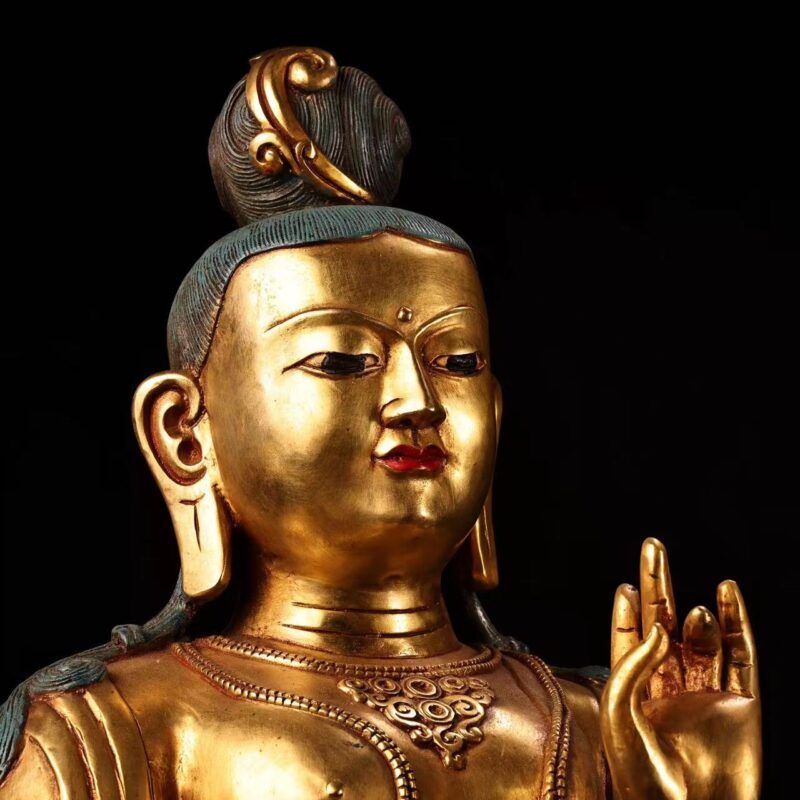
Uncrowned Topknot Avalokiteshvara (Kwan-yin) Bronze Statue in Zanabazar Style, Compassion Yidam for Altar Worship & Himalayan Art Collection
Buddha statue, Handicrafts with Himalayan, Buddhist and Taoist Features of China, Best Sellers, New Arrivals
Original price was: $2,599.00.$1,799.00Current price is: $1,799.00.statue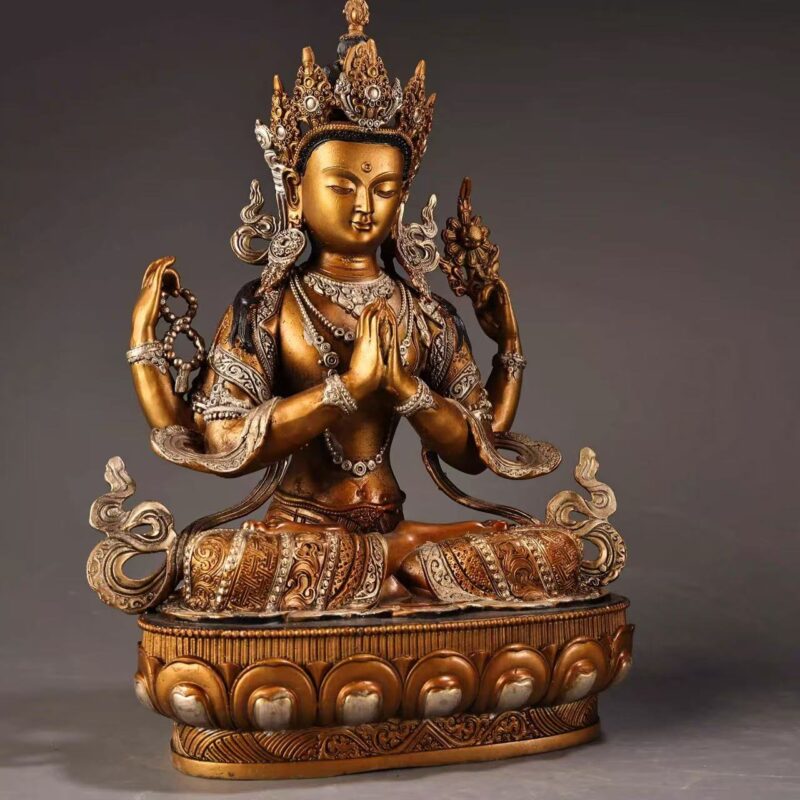
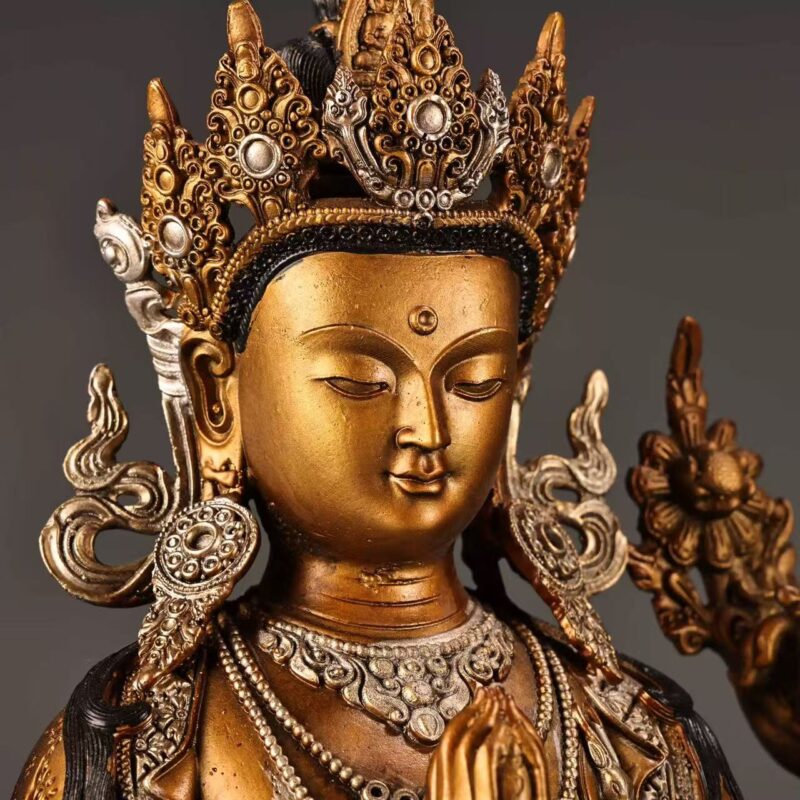
Vintage Gilt Bronze Four-Armed Avalokitesvara/Avalokiteshvara with Silver and Polychrome Accents (Tibetan Tantric Style)
Buddha statue, Handicrafts with Himalayan, Buddhist and Taoist Features of China, Best Sellers, New Arrivals
Original price was: $399.00.$299.00Current price is: $299.00.statue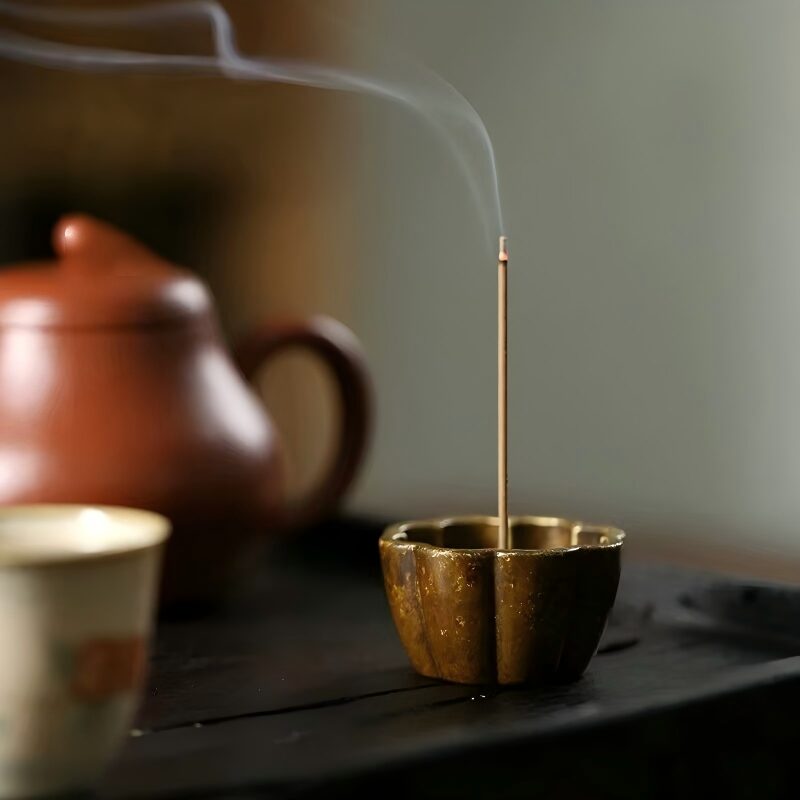
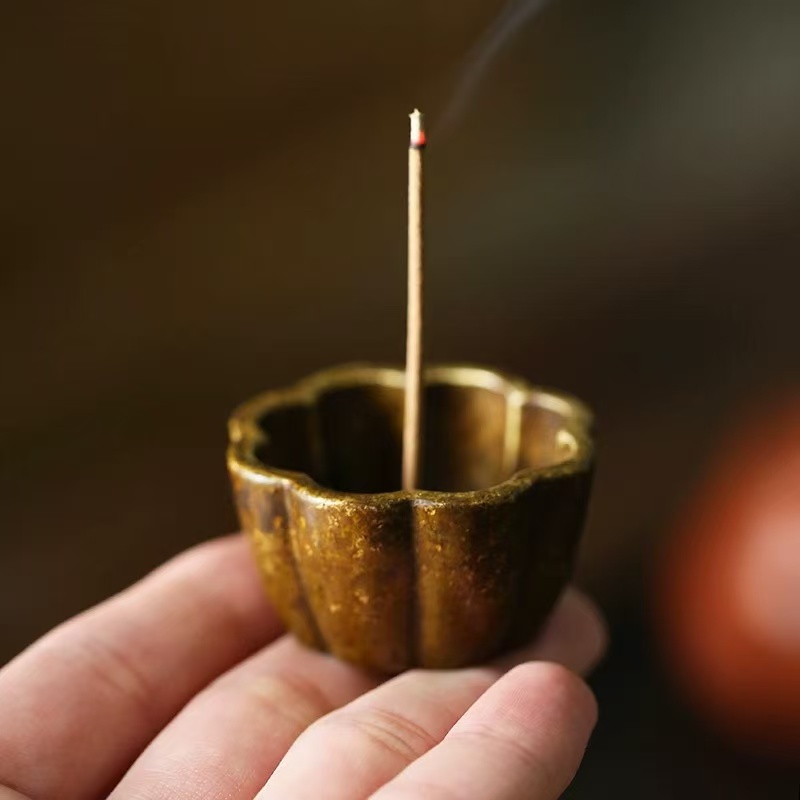
Vintage Mini Bronze Censer in Lotus Petal Form with Distressed Finish, Complete Incense Stick Set
Price range: $69.00 through $99.00set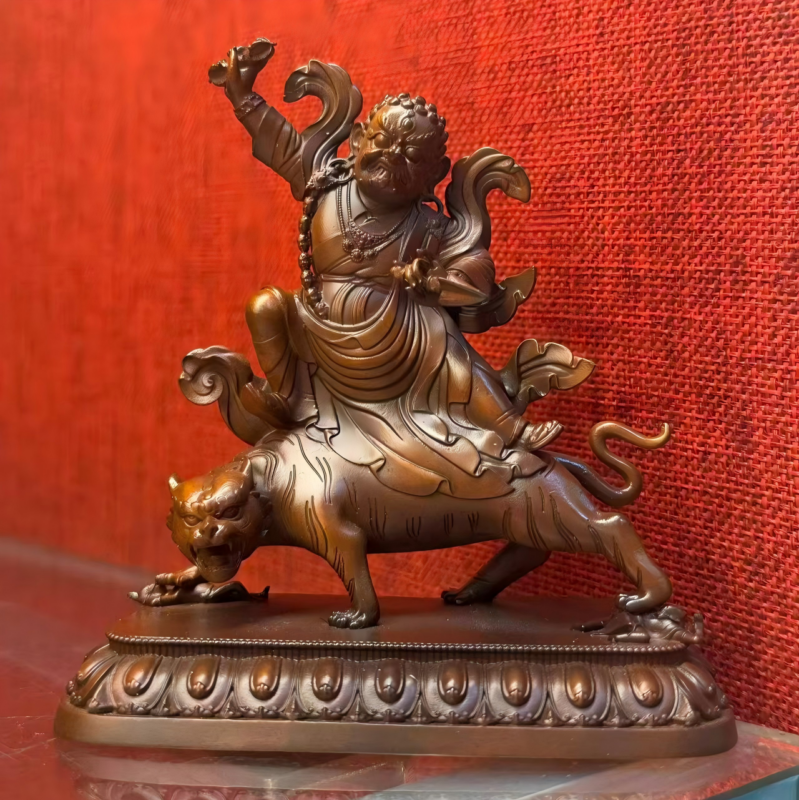
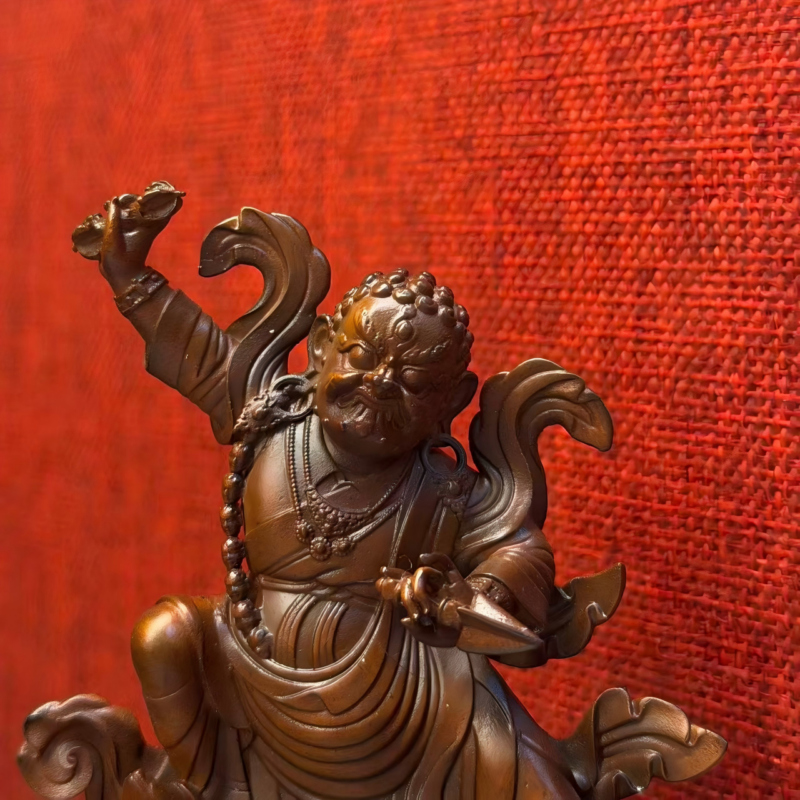
Wrathful Padmasambhava Riding Tiger Bronze Statue | Nyingma Yidam for Meditation & Healing
Buddha statue, Handicrafts with Himalayan, Buddhist and Taoist Features of China, Best Sellers, New Arrivals
Original price was: $249.00.$179.00Current price is: $179.00.statue